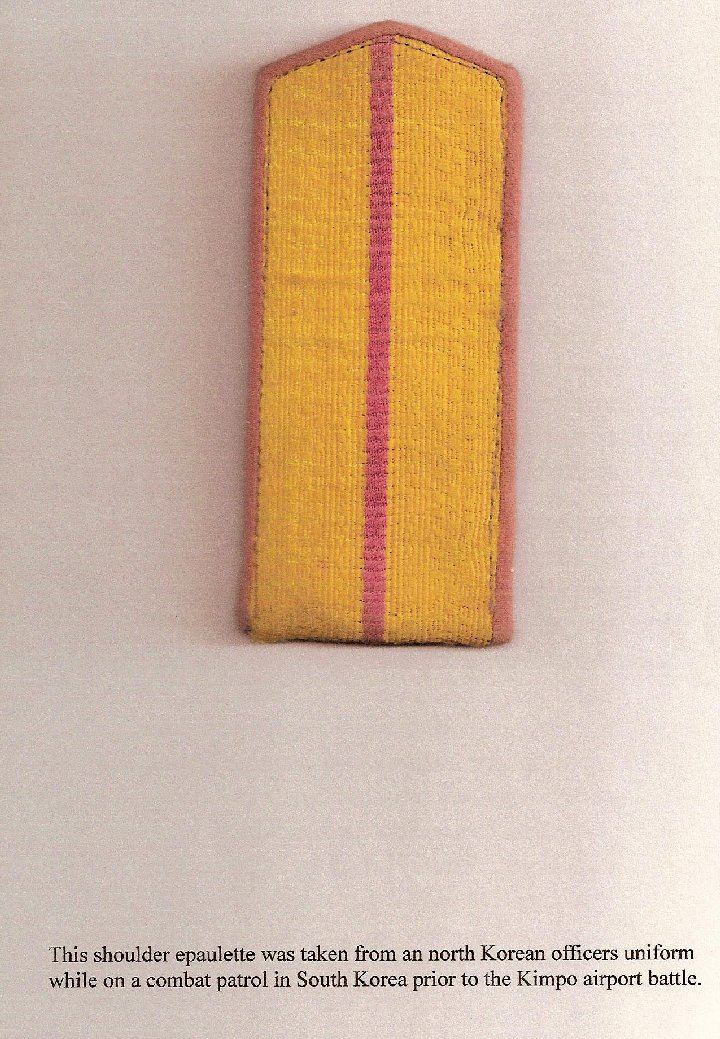
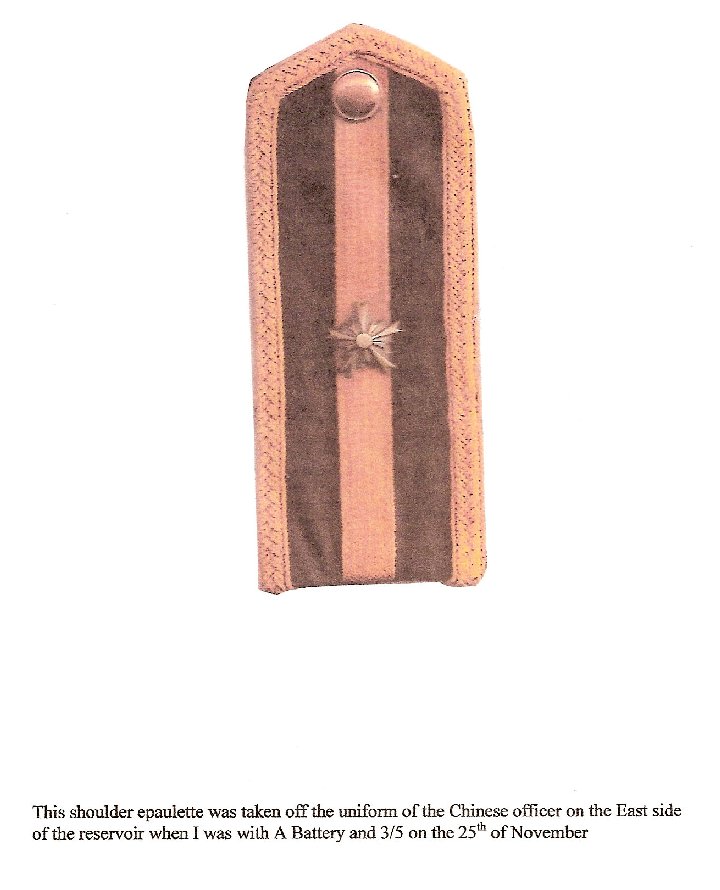
|
We need your help to keep the KWE online. Jim Doppelhammer, our longtime webhost, has passed away and his webserver will go offline
in 2025. The entire KWE website must be migrated to a modern server platform
before then. If you value this resource and want to honor our veterans by keeping their stories online
after 2024, please donate now.
For more information, click here.
|
|||||||||||||||||||||||||||||||||||||||||
 |
|||||||||||||||||||||||||||||||||||||||||
| Back to "Memoirs" Index page | |||||||||||||||||||||||||||||||||||||||||
 |
|
||||||||||||||||||||||||||||||||||||||||
|
|
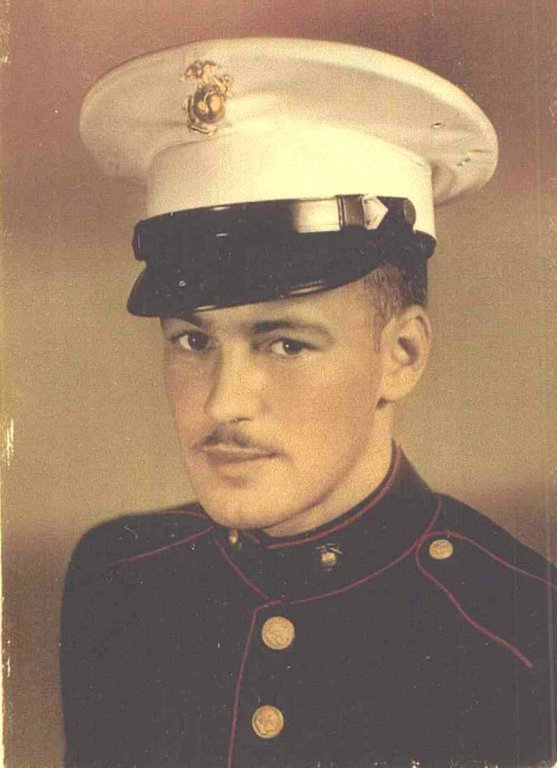
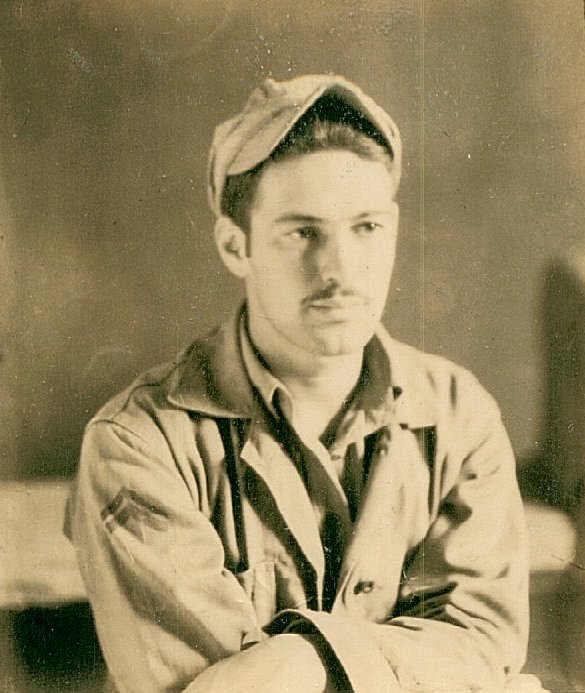
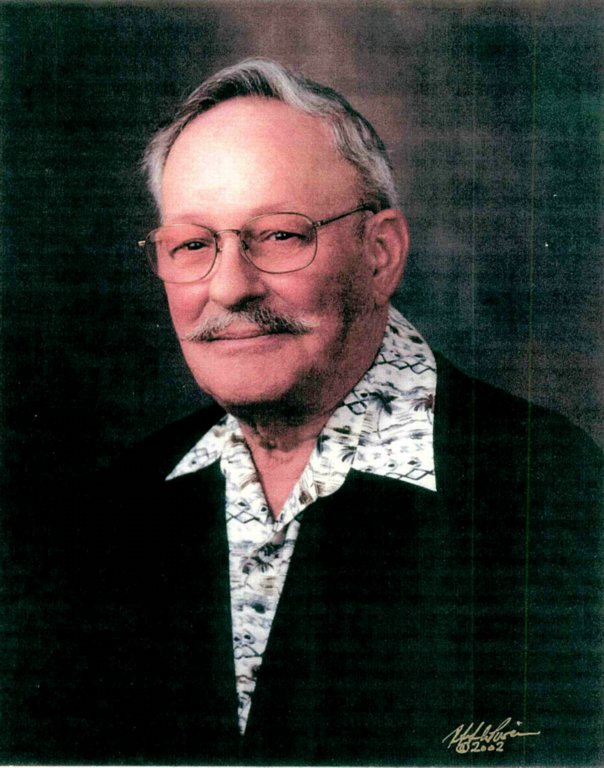
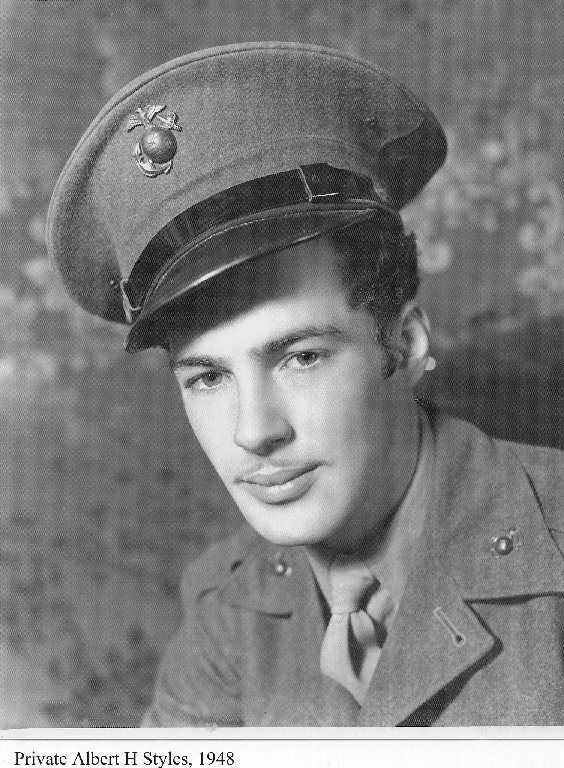
Albert Henry StylesWindsor, CA "With regards to my survival at Chosin, I do not have the faintest idea why I was spared, if that is what it is called. I have asked myself many times over the years how in the hell did I ever make it out of there when so many didn't. I guess it just wasn't their day. We all did what was expected of us, sometimes above and beyond." - Albert H. Styles
|
||||||||||||||||||||||||||||||||||||||||
Memoir Contents:
Pre-MilitaryMy name is Albert H. Styles and I was born at the Stanislaus County Hospital in Modesto, California. on the 5th of October 1929. My parents were Albert Edward Styles and Doris (England) Styles, both born and raised in England. My father was born in East Grinstead and my mother was born in Westminster, London. Mom and Dad were farming in the Modesto area at the time I was born. I had two older brothers. My older brother is retired and living in San Francisco, California. My next older brother, who was a Marine during World War II and Korea, passed away. I went to grade school in San Francisco. The elementary school I attended was Admiral Farragut. The junior high was Aptos and the high schools were Samuel Gompers Trade School and Balboa High School, where I was a member of the Junior ROTC. In late 1946, we moved to Sonoma County, and there I attended Healdsburg High School and Analy High School. Nearly two decades later, I received my diploma from Analy in 1967 after completing the apprenticeship with the Navy apprentice program. The dean of boys at Analy felt that I had earned enough credits to give me my diploma. I worked at the Priscilla Cake Box bakery during high school in San Francisco. I greased the cake pans and helped the doughnut maker. In the Sonoma County area, I worked at various Jobs, including on the family farm. After high school I continued working on the farm pruning grapevines and fruit trees and I also worked in the woods falling timber and at a neighboring sawmill as a mill hand. I also worked in his saw mill as a mill hand. The daily newspaper and the radio were the big information centers during World War II. My parents, my brothers, and I were interested in what was going on in the European area because we still had relatives living in England. During the war, my father worked at Oakland Naval Supply Depot. My oldest brother worked at a shipyard that built landing barges, and my next older brother worked at the Mare Island Naval Shipyard prior to joining the Marine Corps. To be truthful, I don't remember doing anything extra special while in school that helped the war effort, except maybe having war bond drives. I saved rubber bands, tin foil, and tin cans. In late 1947, I left work at the mill because we moved to Forestville in Sonoma County. There I worked on the farm that my parents leased, as well as at a sawmill in the Graton area in Sonoma County. In 1949, my parents bought some property in the Santa Rosa area of Sonoma County and we eventually moved there. My dad and I took a cottage apart piece by piece, numbered the pieces, and reconstructed the cottage on the property my parents had purchased. I worked at various jobs around the county until I had to go to Korea. Joining UpThere is a strong military background in my family. My father went to Canada in 1906 to work on some of the big stone projects going on at that time, like the seawall at Port Arthur on the west coast of Canada. He also worked at the Eaton Smith Department store in Winnipeg during the winter months. When World War I came along, he enlisted in the Canadian Army and went to Belgium until the end of the war. He was wounded during the first battle of the Somme and received the medal for meritorious service during the second battle of the Somme. My mother's family--ten brothers and two sisters--were quite military minded. All of her brothers were in the British Army serving in India and South Africa during the Boar War and World War I. Also, she had a cousin in the Scots Guards and a brother-in-law that was in the Horse Guards. So as my brothers and I grew up, we were well-versed in the ways of the military. Mother was all for my brother and I joining the Marine Corps because she felt they were the best branch of the American military. She had seen our Army and Navy people in England during World War I and was not impressed. I remember when I was quite young being on Market Street in San Francisco and seeing this person in a blue uniform with yellow chevrons, white hat, and belt. He was a master gunnery sergeant and he was quite tall. He really stood out in the crowd. I asked my mom what this guy was and she said, "That is a Marine." From that day on I was impressed by Marines. Dad on the other hand, after having spent four years in the trenches during World War I, thought the Navy would be better because he said you would always have food and a dry place to sleep. He was right, you know, but we still preferred the Marine Corps. I enlisted in the Marine Corps Reserve the 24th of June 1948 to keep from being drafted into the Army. At the time, the quota for Marine Corps enlistment was one per quarter for all of Sonoma County and Mendocino Counties, so the local recruiter would rather take a 17-year old than a draft age 18-year old and up, the reason being they were enlisted under the same requirements as the draft. The other problem was that my teeth were too bad to pass the Marine Corps physical, so the recruiter suggested the Marine Corps reserve. After being enlisted as a reservist, I could then request active duty. That fell though the cracks because they wanted people with prior military experience. I was a Marine Reservist who did not attend boot camp. I was a member of Company C 12th Infantry Battalion and as a member of this unit attended three summer camps at Camp J.H. Pendleton in southern California, and I attended all of the scheduled drills prior to being called up for the Korean War. The battalion HQ and A Company was at Treasure Island; B Company was at Bakersfield; and C Company was in Marin county. The company had a lot of hill country to train in, which we did quite often. I personally feel that I was capable of carrying out my assigned MOS, which at the time was 0311. During the period prior to being activated, the company continually trained at the home armory in all fields of infantry tactics. That included close order drill, military courtesy, field stripping and cleaning of all Marine rifle company weapons, how to stand sentry duty, field sanitation and hygiene, discipline, and other duties related to being a Marine. Because I had been in the Junior ROTC program in high school and was on the rifle marksmanship team, this all came real easy for me. At summer camps we could have liberty every night, but we were pretty well used by that time so we usually went to the outdoor slop chute and drank beer at 10 cents a can until dark. We then usually went to an outdoor training area movie and then fell asleep. We got a lot more advanced training while at ITR, such as live firing exercises that were conducted by the ITR (infantry training regiment) personnel. We were also taught squad and fire team tactics, bayonet drill, hand grenade, and rifle range. In fact, I always fired sharpshooter. We were taught all of the weapons used by the Marine infantry company. Our own company officers, staff NCOs, and NCOs also did their part of the training. During the 1950 summer camp prior to going to Korea, we were instructed in the procedures for amphibious landings using old landing barges and mock-ups of the side of a ship with cargo nets and all. We climbed down the nets and back up the nets until we got it right, and then we assaulted a mock-up landing area with all of the frills, like planted explosive charges to assimilate incoming artillery fire. We were taught marksmanship, tactical firing problems, night field problems, night compass marches, hand to hand combat, the bayonet, the company in night defense, arms firing discipline, etc. One of the things they did not teach us was how to cope with what was going on around us, like people dying and getting pretty badly shot up. But I personally found that the experience of real combat eventually taught a person that. War Breaks OutAt the time the Korean War broke out, I was working in a lumber mill as a mill laborer and on the family property where I lived. I had a steady girlfriend who was wearing a ring that had been given to me as a present from a friend. When the Korean War broke out, my reserve battalion was at summer camp and we were in the final week of training. Our company commander passed the word to us that we would be returning to Camp Pendleton to be given physicals to see if we were combat ready health-wise. We did things like make out insurance policies and get reclassified and reassigned. I was assigned to the 11th Marines, which was the artillery regiment for the 1st Marine Division. I did not receive any additional training. All of the people that went to the 11th at that time were put into casual platoons and gathered equipment for the 1st Battalion, 11th Marines. That is when I found out that 1/11 was already in Korea as the artillery for the brigade. I knew that the 1st Provisional Marine Brigade had arrived in Korea and that they were in some pretty heavy combat and doing what Marines were trained to do. The only thing that I knew about Korea was what I had learned in Senior Problems in high school, and that was that Japan had invaded the country before the second world war, and that at the end of World War II the U.S. had taken South Korea under its care, had a protective alliance with them, and we had troops there as an occupation force to teach the South Koreans how to protect themselves. Russia had done the same with North Korea. I also knew that 38th parallel was the separating line between the north and south, so when North Korea attacked the south, it obligated the U.S. to protect them. Many people then and at the present time have asked me if I had wanted to go to war. Hell no. I was just starting to enjoy myself. In 1950, our president wanted to disband the Marine Corps, put the Marines in the Army, and make good soldiers out of them. When the 1st Marine Brigade went to Korea, it must have changed his mind. I didn't have any attitude about the war except that we already had troops there to put down any kind of disturbance that might arise and that it would be settled in short order. My buddies and I did not believe that we would be going to Korea without passing go. (Ha! What did we dummies know?) As a result of that thought, I didn't do any big things about my car. I told Mom and Dad to use it if they needed it and that I would send home an allotment to help them out. They never used a cent it. I also left most of my civvies home because I could buy new clothes at the PX. Insurance was taken care of when we arrived at Camp Pendleton prior to leaving for Japan. My parents saw me off the morning that I had to report for troop movement to Camp Pendleton. We left from Port Chicago in the San Francisco Bay area by train. When we were in a casual company waiting to be reclassified and transferred to our assigned units, we went to the slop chute and listened to the news or read the newspaper, and my mother and father kept me posted on what they had heard. I know that my parents were a bit shocked when they got the news that I was leaving for Japan and could possibly be going to Korea. My next older brother did not like the fact that baby brother was maybe going to war. He was stationed at Treasure Island at the time and was later transferred to Pendleton as demolitions instructor. He was a demolitionist during World War ll. He volunteered in the spring of 1951 to go to Korea. (When I met him over there, I told him what an idiot I thought he was.) I never really knew what my other brother's reaction was, but my girlfriend had the stupid idea that I was purposely doing this thing. Wow, what great fun. We had hit on the subject of marriage and I told her that I wouldn't marry until I was 21. Of course, I turned 21 while in Korea. We had a steady, intimate relationship going when I left, and she was wearing my ring. I was gone from home for 13 1/2 months, so I guess that the war had really screwed me around, because when I came home I didn't have a girlfriend. (By the way, she never gave my ring back to me.) Trip to KoreaThe division sailed for Japan on the 15th of August by ship. If you haven't been to the Orient, I can tell you that the place is a cesspool. It is quite dirty. So about two days out from arriving in Kobe, Japan, the water started getting a brownish color to it. The closer to Japan that we got, the darker brown the water got. I was on the William Weigel, an MSTS ship. I think it took 11 days to get to Japan, where we spent the next three days in Kobe, loading equipment onto the Japanese manned LSTs for the 1st battalion 11th Marines who were at the Naktong River in Korea. When I first got to Japan I thought that the city of Kobe smelled pretty bad. The water in the harbor was brown and raw sewerage ran in the gutters. The women allowed their infant children to relieve themselves in these gutters. There were restrooms located at various places throughout the city, the most popular being the train stations. On one occasion while I was urinating against the designated section of the wall, I was interrupted by the cleaning lady mopping the floor around my feet. Now I don't profess to be a sainted angel, but that was a little embarrassing. The cleaning lady didn't mind. She waited until I was done. A typhoon hit Kobe while we were loading out to go to Korea. I had never been in such a violent storm as that was. The ocean rose up in the harbor enough to break the mooring lines on the ships, and several ships were drifting in the bay with no steam up. The only ships that got out of the harbor were the LSTs because they were diesel powered and started up just like an automobile. The storm only lasted about a half hour, but in that time it tore the hell out of downtown Kobe. The houses in Kobe were paper, spit, and glue. The people that lived up on the high ground didn't suffer any damage. Mostly Europeans were up there. After the typhoon ended, we left Kobe for Korea in Japanese manned LSTs by way of the inland passage. We left Kobe in the late evening of the 1st of September and arrived in Pusan in the afternoon of the 3rd of September. It was a real calm, 36+ hour trip to Pusan through the inland sea from Kobe. We had the run of the ship. There weren't any cooks onboard our LST, so we had the galley open round the clock--a help-yourself type buffet of cold cuts. But all good things come to an end. On our way to Korea, the water greened up again until the next day out, when it started to get a dark brown and kept getting darker (darker than Kobe harbor) as we approached the Pusan harbor. The smell started getting intense. In fact, it was rather overwhelming. I adapted to the smell in a few days. Arrival in KoreaWe arrived at the quay in Pusan harbor in the evening. The ramps were lowered on the LSTs when they finished mooring them and we all toured the area around the landing site. We found no Marines anywhere, so watches were set and we spent the night on the LST. I don't think they knew the word cleanliness in Pusan. The town smelled like an over-full outhouse from the time the ship sailed into the harbor. (I remember getting these young kids as replacements and the first words they said was, "What the hell is that smell?" The water was a dark brown and looked thick almost like it could be stirred. The city of Pusan was dirtier than Kobe. They didn't have any restrooms. They just went wherever it was convenient to relieve themselves. Hell of a place. I don't think you could dig a foxhole deep enough to get away from the smell of human fertilizer. They had been putting it on the ground since time began. My 11th Marine CO back at Camp Pendleton gave us a lecture every morning at formation. He told us that we wouldn't be able to drink their water or eat their food. Damned if that old China Marine wasn't right. I don't think those people had a lifestyle. They lived in houses put together with mud and sticks, kind of like adobe. The roofs were rice straw. There were some brick buildings but not many. The next day, we went up the road where we joined up with 1/11. When we were en route to join 1st battalion, I saw my first dead gooks. There weren't any live ones around at that time. I really didn't give it much thought then because they were the enemy and they happened to be at the wrong place at the wrong time. I didn't see any dead Marines at this time. It wasn't until Inchon that I saw any dead Marines, and at the time everything was hurry up and move out. When we joined 1/11, they were set up on the road to Miryang where they were supporting the 5th Marines at the second battle of the Naktong River. At that point, I became a member of the 1st Provisional Marine Brigade, and a month after leaving home, I was at the front lines in Korea. I probably need to back up a bit here and fill in some things about the Brigade. The Brigade left the States somewhat undermanned. The 5th Marines were short three rifle companies, one from each of the three battalions. The 1st Battalion, 11th Marines went out there with four gun batteries, so instead of 18 Howitzers they had twelve due to peacetime table of organization. When we were still in the states at Pendleton, all of us that were not retained in Regimental Headquarters or second or third Battalion were assigned to the 1st Battalion. We were formed up in two platoons and then called the "casual people." It was our job at Pendleton to gather up all the needed additional equipment for 1st Battalion's needs to bring them up to strength. This consisted of twelve or so 6x6 trucks, six Howitzers, and all kinds of other knick knacks, including some we got for ourselves, like Kabar knives, new field jackets, newer type first aid kits, etc. When we got to Kobe, Japan, it was our job to round up all this stuff and load it onto the LSTs that were going to take us to Korea. Straight into BattleOn the second day ashore in Korea, there was a tank battle going on. We were held up on the MSR when one of these gook tanks spotted one of our antitank units on the ridge above us and made a direct hit, injuring the crew. When the ambulance jeep passed us, I could see one of the Marines with quite a bit of blood on him. Dirt was caked up in his blood, making it into mud. I thought what a lousy way to go out, but there was more of that to come. I had never seen death as it was in Korea. Back in the states, there was an occasional funeral or an automobile accident where someone had died. I remember that once a school acquaintance of mine drowned, but nothing was as bad as what I would ever experience in a combat situation. When I first arrived in Korea, things were pretty kicked back. I had visions of conquering the North Korean army, but it didn't happen that way. The new arrivals went out with a group of cannon cockers while they test-fired the new howitzers. The security people were their body guards. They did show us how to cut charges and put artillery rounds together, but otherwise we could go into town, check out the local residents, and try some of their beer. We were armed with M1 carbines which had been issued to us before we left the states. While we were still at Pusan, we met individually with the sergeant in charge of the security platoon, Tech Sergeant Taylor, and his assistant, Sergeant Dixon. We had to demonstrate what we knew about weapons. I had no problem there. I had had many lectures on how to field strip weapons. I was the only one of us four that could field strip the .30 caliber light machinegun and the Browning Automatic Rifle, and knew how to load and fire a rocket launcher. The majority of the veteran warriors in our battery were younger than us and resented our outranking them. Three of us were corporals and there was one senior PFC. They had been in Korea less than a month more than us, but they were not about to give us any help. They loosened up after the Inchon landing. Officers seemed to be kind of scarce in this organization. I was used to seeing the company, or in this case, the battery brass, at least once a day. The battery CO was Captain Brayshay, who had a huge handlebar mustache. I think the reason he came to see us was to check out his four reinforcements. The battalion CO was LtCol Woods. The first sergeant came by to let us know that we could buy beer at 10 cents a can, so between us we bought over three cases. He also told us what our mailing address was because none of us had mailed any letters yet. We were told that we were members of H&S Company, 1st Battalion, 11th Marines, 1st Provisional Marine Brigade Reinforced. We kept that title until sometime after the Inchon landing. I was assigned to the security section which maintained the perimeter defense for HQ battery. I didn't know a soul there. I had no complaints about it because that was what I had been trained for. When we were reclassified, I was assigned an 0311 MOS, but the 11th Marines were looking for truck drivers for 1/11. When the classifying individual remembered this, he asked me if I had ever driven a truck. When I said yes, he asked me what size, how many wheels, and what type of shifting and rear end. I had driven a logging truck that was similar to the Marine Corps 6x6, so he changed my MOS to 3500. But I didn't work at that MOS. Instead, I was assigned an 5800/0331 by our Headquarters 1/11 first sergeant. That was the MOS for security personnel and machine gunner. He also assigned an MOS 0811 to me, which was field artillery cannoneer. I was never in a firing battery. I mentioned earlier that it was a kicked backed situation in Pusan. We ate morning chow in the building that we were housed in by our cook and noon and evening chow on the APA USS Pickaway. The only duty we had was standing fire watch during the hours of darkness. It was quite apparent that a war was in progress because we could hear artillery firing in the distance and the countryside was marked with shell holes, although not in Pusan itself, but the outlaying countryside. We didn't stay long in that part of Korea because the brigade was ordered back to Pusan to regroup and prepare for the Inchon landing, although we didn't know that at the time. I had a CO who told us that after the first shot is fired during an encounter where the enemy is concerned, you're a veteran. The only way I can explain my own personal feeling about a combat situation is that it was similar to when you were in grammar school and they passed the word that you had to go see the school nurse for a physical exam. Being a boy, that meant taking your clothes off in front of a female. That was apprehension. When I was in Korea and got that feeling of apprehension, I would light another cigarette, no problem. It didn't take long for me to come to grips with the thought of being in a shooting war. I wasn't ever really scared because if you lose your cool in combat, your ass might be grass. But to this day, I still duck or flinch when I hear what sounds like a shot being fired or an explosion that is close to me. It's all part of the game. I guess. Inchon InvasionThe brigade departed Pusan on the 13th of September 1950. The day was somewhat fouled up for me. The first sergeant told me to report to the people on the Q-052 because I was going with them to 1/11's destination. So I jogged down the quay to where the LST was moored and waited while the roll was called. As a name was called, a Marine went on board. Well, I was the last man standing there so I approached the person who was calling the roll and reported my name, rank, and serial number. They checked their muster sheet and lo and behold, my name was not on it. The CO (Captain Hoffstetter) gave the word to saddle up and get under way. The ramp was raised, the bow doors were closed, and the LST backed off the quay. All of this took place in a matter of maybe 10 minutes. I thought to myself, "Holy Christ. What the hell do I do now?" I looked up the quay and my first sergeant was waving to me to return to where he was. So I went to Inchon on the Q-030. The other three Marines that joined H&S 1/11 with me were onboard this LST as well, so I had buddies to go with. The LST closed up, backed off the quay, and away we went. The next morning the Q-052 signaled the Q-030 to ask where I was, so evidently they got their shit together and found my name somewhere. There were four LSTs in our group that took the battalion to Inchon, and three APAs--the Pickaway, Cavalier, and Henrico--for the 5th Marines. On the next day at sea, the battalion CO had everyone muster forward on the deck, where he told us where we were going. 1/11 was to land on Wolmi-do with 3rd battalion, 5th Marines. He told us what to expect once we got ashore, and gave a short speech about what living condition were going to be like, He then dismissed the troops. The next morning--the 15th of September--the LST entered the channel that led to Inchon Bay. As the ship closed on the channel, we could see the other ships that were going to take part in the capture of Inchon. There were several U.S. Navy LSTs, DEs, Rocket Ships and the beach master's ship. All of the big ships were off shore out of harm's way. These were the cruisers, battleships, carriers, and various supply types. None of these ships were visible to us, but we were told that they were out there. While the ship was making its way down the channel, we were served morning chow, which by tradition was steak and eggs before an amphibious assault. When we were inside the bay, our LST took up position off Wolmi-do. Then the fireworks began, all the ships off shore started shelling the mainland and Wolmi-do. Along with the naval bombardment was the air support, mainly FRU Corsairs. It was a tremendous show. The pilots of these aircraft flew below the hill on Wolmi-do to shoot rockets, drop napalm, and strafe the beach on the causeway side of the island. They were quite an unbelievable bunch of fliers. The rocket ships that were lined up opposite red beach on the north side of Inchon and blue beach to the south opened up. It seemed like the rockets would never stop shooting. But after the good things came the bad. It was time to go ashore. The 3rd battalion of 5th Marines landed on Wolmi-do first, followed by Able, Baker, Charley, and Headquarters batteries of 1st battalion, 11th Marines, which included me and several other people from security section. I had never been in an amphibious truck (DUKW), so this was new to me and, by the way, something I will never forget. These vehicles back down the LST's ramp to get waterborne. Now these trucks have a gun wall all around the personnel area that is about four or so inches tall. I was in the back of this area, and when we started down the ramp, the water kept rising up the side of the gun wall until I think to this day that some water came into the truck. And you know, there isn't any place to get away. We floated clear and turned toward the beach. On Wolmi-do, a light rain had started to fall and the sky was getting darker because of all of the smoke from the bombardment and the rain. A light mist had already been falling when we were standing by to load up to go ashore, so the sergeant in charge suggested we leave our packs on board in one of the 6x6's that would be coming ashore the next day and to take our ponchos with us tucked under our cartridge belts. Something that always crosses my mind is that we didn't have type of life preservers. (We used to in training.) One of the things I remembered from training was to kneel down in the landing craft, but there were too many people in this craft to let that happen, so we stood all the way in to the beach. Before any landing craft go to their designated landing site, the lead craft checks with the beach master for any special instructions. When our craft approached the beach master's ship, the driver got his instructions and proceeded to green beach, which was our destination. The driver was also warned to keep a sharp eye out for obstructions because the tide was already running out quite rapidly. There is a 30-foot tide in Inchon Bay once a month, and that once was almost over. The other tides are in the order of 18 feet. The word we got when we left the LST was that the island was secured. Well, I guess as far as 3/5 was concerned, it was. We got to within about 75 yards of the beach when the truck ran onto something in the water. We were stuck hard and fast and with the tide running out as fast as it was, we were rapidly becoming high and dry. At this time I thought, "Why in the hell is this happening to me?" The Marine standing next to me asked what I thought the noise in the water was. If you have ever taken a hand full of small gravel and thrown them into the water, then this was the sound you could hear. I told this Marine that the gooks were shooting at us and you know, there was not any place to dig a hole out there. Sergeant Dixon was in charge of this group and he said that he would go over the side and see how deep the water was. I thought, "Supposing the water is over his shoulders?" Seeing that he was easily over 6-feet tall, that meant that at 5' 8," I was going to have a bit of a problem. But about that time, an M boat that was coming out from the beach stopped to assist us in getting off of whatever was holding us from moving. A crew member threw a heaving line to us so that we could pull a heavier line over to the DUKW. It was a good thing I had my helmet on, because the monkey fist on the end of the heaving line hit me in the head and things were a little bit blurry for a spell. The heavier line was secured to a deck cleat and the M boat attempted to pull us free. After several tries, they dropped the heaving and towing line overboard and left us there to tough it out. It wasn't long after that that an Amtrac came out from the beach area, picked us up, and took us in to green beach, which was the landing site for Wolmi-do. As for what wave we were in, it is quite debatable. Our DUKW probably constituted a wave of its own. As I mentioned previously, that tide was starting to run out when we got stuck. Friends that were in the 1st and 5th regiments said they had trouble at the seawall because of the tide running out so fast. Our howitzers were firing missions by the time we got to the beach, so it was pretty noisy. Our machinegun section did not have any casualties except for getting the hell scared out of us and me getting hit in the head. The first night ashore the ships in the harbor fired illuminating shells all night. That is, except the ships that were not supporting the troops ashore. Our machinegun was set up in an abandoned house that had its front blown away. The house had tile on the walls and floor and every time a round went off, the tile fell off the walls. Underneath the house was a sort of basement where the gooks had been cooking chow--rice in big caldrons. Along with galley setup was a ammunition storage area. During the landing, someone had thrown an illuminating or white phosphorus grenade under the house. All night there were muffled explosions and the tile kept falling off the walls. It made for a sleepless night when we were not standing our watch on the machinegun. Before I went to Korea, I was a moderate cigarette smoker. I remember the amount of cigarettes I smoked that night. My father had taught us boys about cupping a cigarette so that no one could see the lit end glaring in the dark. I also had a Dunhill lighter that didn't make a flame. The other Marine standing watch with me asked if I was smoking and I said, "You're damned right I am." So he wanted to know how to smoke without showing any glare. There was something about the star shells that made it look like everything out there was walking around. It was because the parachute on the flare was rotating as it descended. So there were quite a few shots fired at imaginary figures that night. When we left our packs onboard the LST, we had also left our c-rations in them. This was Sergeant Dixon's idea. "Travel light," he said. So we didn't have anything to eat and were quite hungry before the rest of our people got ashore with our packs. The next day the rest of 1/11 came ashore over the mud flats because the tide had gone all the way out to the channel, which was quite a distance from the beach. It made you think that it was a way trip in. The object that had held our DUKW off shore was a sunken barge that had maybe been sunk there purposely by the island defenders. As soon as all of 1/11 was ashore, we followed 3/5 across the causeway in DUKWs to the mainland. We then moved inland to a point just past the city of Inchon where the battalion set up to continue our support of the 5th Marines in the assault. 1/11 was set up alongside of the MSR either side of a rice paddy that was flooded with water. My crew was dug in on the west side of the paddy and not in any tactical position. We were shelled by gook mortars which were pretty well covering the area. While the mortar fire was going on, a jeep came down the road and stopped. Two people jumped out of the jeep and into a ditch. As soon as the shelling let up, the two people--one of which was a woman--got back into their jeep and took off, only this time we could see them more distinctly. The woman was the reporter Maggie Higgins. The shelling continued until dark and then ceased. Everyone kind of figured that the gooks had a forward observer close by to call targets to the mortars and when it got dark he couldn't see where to call his shots. We had several people hit by shrapnel, but nothing drastic. There was maybe a company of South Korean Marines (KMCs) to our left flank. They apparently had flushed out some North Korean soldiers during their movement in the area. These people tried to move through our perimeter, where they were challenged and stopped. They were dressed in civilian clothing carrying rice bags over their backs. They were searched for weapons and it was found that they had hand grenades hidden in the rice. They were transported to the rear for interrogation and prison camp. We had spent our second day ashore standing watch and having illumination fired above us during the hours of darkness. The next morning our headquarters battery commanding officer made up a combat patrol of security section people to check the area for gooks that might still be in the vicinity and may have been calling in the mortar fire the day before. At this time we had our 6x6s back. We headed out across the MSR or to our right facing in the direction of Kimpo. During our stay on Wolmi-do, we didn't take any prisoners. That came later. We didn't advance very far before we were held up because of a tank battle that was starting to heat up. I don't remember how many tanks were involved on both sides, but for our tanks it was a cup of tea. The tanks then cleared gooks off the road ahead of us. As we moved forward, we caught a few gook rounds, but no great damage was done. There was close air support provided by the Royal New Zealand Air Force. They were flying P-51 Mustangs and came in as low as our F4U pilots. When we reached the top of the hill, the road went straight and the road to Kimpo Airfield intersected. Here there were real signs of death and destruction. There were dead gooks everywhere. Some had been run over by the tanks that had cleared our way. Their heads looked like squashed water melons and at the time I thought that those tank people got some kind of joy out of that. We had gone a half mile or so further when we came under small arms fire from a brushy area. The patrol had a machinegun, but it wasn't used. We all fired a few rounds each into the brush and ceased firing while our police people checked out the brushy area. It turned out that there were some wounded gooks and one that came out with his hands up. A policeman kept him there and the patrol moved on up the path. We came upon quite a number of wounded and dead gooks. The wounded we disarmed and left more policemen to guard them. Not too much farther up the path we came upon a pretty badly torn up village. It was quite visible that an air strike had done the damage. There weren't any civilians in the village--just some more dead and wounded gooks. On the way back to the 1/11 area, our CO said to check bodies for information. I saw what appeared to be an officer and with my kabar knife I slit his pockets open and recovered a folded piece of overlay paper which I put in a pocket and moved on. When we got back to the CP, I opened the paper up. It was an overlay of the gook positions in the surrounding area. I turned it over to our CO, who immediately had it taken to the intelligence people. Later that day I was moved to the far side of the rice paddy with Mike and the two police people. Rostello and Produze went with another crew that was at a culvert under the MSR to the area we had been patrolling earlier. On our way across the paddy, the mortars started dropping in on us again, and there was not any place to find cover. In the water that was in the paddy, there were also black and green snakes. I don't think any were less than three feet long and a good two inches in diameter. If I was moving in an area and saw a snake ahead of me, I was fine. But if I was startled by one of those things, I got a little stressed out. Before we arrived at Inchon, the battalion CO had told us of some things to expect, but he didn't mention those damned snakes. Needless to say, I made it across that paddy in short order and to hell with the mortars. We relieved a crew that went on down the line to join up with another crew. I never could figure out that one. In the course of exchanging information about the post, Corporal Humphries told us that a mortar round had hit in the levy in front of the position and had not gone off. It was a dud. So the gun was set up well away from that location. Some of our security people had managed to get into Yong Dong Po where there was a brewery. By some strange coincidence, these people brought back a keg of beer and let everyone in the section know about it, inviting them to cover over to their position. I took Mike's helmet and mine, minus the liners, to get the beer. Produze was the one that had procured the beer. He had gotten a ride in a jeep that was headed that way and got a ride back. So we had two helmets full of beer for the four of us on the crew. Later after dark, the field phone rang and the voice at the other end yelled, "Gunny Taylor. Gunny Taylor. The gooks are coming through the drain pipe (culvert)." So everyone was alert, but it turned out that Produze had too much beer and was quite drunk. Nothing ever became of it and I think it was probably because the gunny and his crew had probably finished off the rest of the beer. Things were quiet for the rest of the night except when one of our policemen was cupping a cigarette to light it, the whole book of matches ignited. Besides lighting up our position rather brightly, it scared the hell out of the policeman. The next morning, we coached him on how to light up at night. Mike and I were requested to accompany a group of security people to go check out the Han River scene. We all gathered on my side of the rice paddy and ventured down to the river. When we reached the river, everything seemed quiet enough, so I decided to go in the water and clean up. I was in the process of taking off my shoes when I raised my head up to look across the river. There large as life were two North Korean soldiers that looked up about the same time from filling canteens of water. I was faster on the draw than they were and got off a couple of rounds at them. They didn't fire back. They just ran like hell into the brush. We figured it was time to end our trip to the Han River. Later that afternoon, one of the policemen told Mike and I that he had a conversation with some of the local citizens and they told him of some North Korean soldiers that were hiding on a hillside not too far from our outpost. They said that they wished to surrender, so I called the gunny on the field phone and told him the story. He told me to bring Mike by the CP and he would send some more people with us. All of us went on down the road to where these gooks were supposed to be. I was in the lead and as I rounded a corner, I was told by a civilian to look up this draw. Sure enough, there was a gook machinegun and all kinds of goodies. They started shooting in my direction from a well-dug-in position. We dispersed and checked the area out a bit more. We decided that this was a chore for a much larger group of people that were better armed. I bid farewell and we headed back to our CP where I told the gunny what had happened. He passed the word on to a higher command. I never heard what happened. Kimpo to Seoul
The battalion had a number of South Korean police attached to it to help stand security watch at night, act as interpreters, and reconnoiter the houses wherever we stopped to set up. On one particular occasion, they were out checking things out in the area and I thought that this would be a good time to shave. Our machinegun was placed in a position up on the bridge we were next to, looking in an easterly direction toward where an air strike was being concentrated at the time. I took some water out of my canteen (cold water) and commenced to lathering my face. I had commandeered a mirror off of a truck in Pusan and had it propped up on the bridge when the gravel behind me started kicking up and then started hitting next to my mirror. I realized that the enemy could probably see a reflection from the mirror wherever they were. These people were down the tracks, so I gathered my gear and dropped down the hill side of the tracks. I told Gunny Taylor what was going on and about the same time our Korea policemen were running like hell back to our position yelling and waving at us to get down. It seemed that the grunts had missed a large group of North Korean troops and they had decided to take us on. The battalion CO gave the order to saddle up and move out, fighting a somewhat running battle. The road that the battalion was on was a crossroad between the highway to Seoul and the road to Yong Dong Po. The 1st regiment was to take that town and the 5th was to take Kimpo, so 1/11 was in the wrong location. The battalion turned onto the Seoul highway and in the direction of Seoul. We hadn't traveled very far when the battalion pulled off the road into a grove of trees. Now one of the things I remembered from training was do not set up in wooded areas because incoming mail hitting in the tree tops could cause air bursts, which was bad news. However, mine was not to question why. Up to this point, I had not been assigned to any machinegun crew, so for that night I was with a crew that was out in front of a firing battery. A firefight with some North Korean stragglers started off to our right and was coming across our front, so everyone opened fire on them. I am not sure if we hit any of them, but the shooting stopped. Between the firefight and the howitzers in the battery firing all night, it turned out to be another sleepless night. The next morning, Gunny Taylor moved to the other side of the battalion to join up with Sergeant Fenton. Things were pretty quiet, so I finished shaving. With that, we settled in for the night. Sergeant Fenton decided that we would stand two one-hour watches per night so that everyone would stay alert. It turned out that I had the last watch of the night until dawn. We had the machinegun, a Browning automatic rifle, and our own personnel weapons. Mine was a carbine. As the morning got lighter, I noticed a figure moving in front of our position and towards the battery area about 100-plus yards away. He was carrying a rice straw bag over his shoulder. We were instructed to call the security CP if anything like this happened on our watch, so I called on the field phone. When someone answered, I told him what was going on. A voice said, "Shoot the son of a bitch," so I said ok. I decided to use the BAR because it had a bipod which made it steadier to sight in with and I didn't think my carbine was that effective at that range. I touched my first shot and the gook went down. I waited to see if he was going to get up. By then my first shot held reveille on everyone in the area. I saw the gook moving around in the brush, so I aimed again and squeezed the trigger, but nothing happened. "Damn," I thought. "What is the immediate action if a BAR fails to fire?" I tapped the magazine, cocked it again, and squeezed off another round. This time it fired and the gook went down again. All of this took place in probably less than three minutes, but it seemed like an eternity. By then the gunny was there with Sergeant Dixon and some other security people. The gunny asked why I shot him. I told him that whoever answered the phone at CP told me to. He didn't ask anything more. Dixon asked me where he had gone down, so I pointed out where and away he went with all of the other people with him. I didn't hear any more from Gunny Taylor. Later that day, Sergeant Fenton packed up his gear and as he was leaving I asked him what was up. He said that he was being transferred to FDC section because that is what he had been in during World War II. When he left, Gunny Taylor came back and asked me and Mike Thennes what our date of rank was. I had made Corporal in July and Mike made rank in June. Gunny told him that he was in charge of the gun crew, but Mike declined the position telling gunny that he wasn't qualified for the job. So gunny appointed me to run the crew. That was my position from then on while I was in the security section. At that time, there was six people in the crew--three other Marines, myself, and two South Korean police who stood watches and were used as interpreters. Around the fourth or fifth day after the Inchon landing, 1/11 moved on down the road to the junction with the road that turned left to Kimpo and under a railroad bridge where the battalion set up to fire support for the 5th Marines who were heading for Kimpo Airfield. My gun crew of Headquarters battery security people were at the westerly end of the airstrip alongside of the MLR, so I never got to see anything of the airfield. We were to maintain a checkpoint for anyone other than Marines traveling on the MSR. In the afternoon getting toward dusk, the field phone rang. Gunny Taylor was on it and told me to send someone to the CP to pick up a rocket launcher and ammo because there were T-34 tanks in the area. I sent two crew members and when they returned I asked who was experienced in the use of the rocket launcher. This was the newer version--the 3.5. Nobody spoke up so we had a crash course in manning and firing the 3.5 rocket launcher. There had been a tank battle just down the road from our position earlier in the day and there were some that escaped, so as it grew darker we started to hear the droning of a tank's engine out to the west of us. All of the crew stayed awake on watch until early morning before the sun came up, at which time the engine noise had stopped. The tank had ran out of fuel or just plain quit. The battalion left Kimpo at about mid morning to a location close to the Han River. Three of the gun crews, including mine, were on a ridge overlooking the river. A road ran down to the river to our left, and there the 5th Marines were going to make their river crossing. There were a lot of amphibious tractors moving down the road toward the river. Our battalion fired across the river to keep the gooks from bothering the crossing, which didn't happen at that time. Later that night the tractors were milling around below our position and churning up the patch of garlic that was down there. What a stink. I am not sure what happened that night--whether the 5th had crossed over or not. There was a Marine on the ridge that was in one of the other gun crews. His name was Holliday. Now Holliday always carried a supply of hand grenades in his field jacket pockets. His nickname was "Hand Grenade." when he got shook up about gooks being out in front of him, he would ring the field phone and tell all of us that he was going to throw a grenade, but the grenade had already been thrown. His calls went something like this: ""This Holliday and I'm going to BOOM throw a grenade." Someone else threw an illuminating grenade and that's when the shooting started. There was a wooden-hulled boat down in the river on the opposite side of the river and I as well as the others swore to Christ that it was moving. We shot the hell out of it with machinegun fire. When the sun came up, the boat was sitting on the bottom where it had been moored. The battalion moved out of there at almost first light and headed south to where the engineers had set up a pontoon bridge so that tanks and our howitzers could cross and head toward Seoul. 1/11 didn't go into the center part of Seoul, so we didn't see the roadblocks that the gooks had set up to hold up the infantry units from taking the city. They took it anyway. The battalion skirted the outskirts of the city heading north, where we set up behind a tall hill looking toward the city. The first time the base piece fired for register, they hit the crest of the hill. My position was overlooking the MSR where it turned toward North Korea. There was a house below us--one of the better homes that I had seen since being in Korea. Our other job was to set up a roadblock by day to screen the steady flow of civilians moving south. With the help of the South Korean police that were assigned to us, we were able to sort out North Korean soldiers dressed as civilians who were trying to infiltrate to the south. None of them tried to escape us. Instead, they gave up quite peacefully. It was a different story at night. We had another village across a rice paddy to the west of our position where, after dark, there was quite a lot of activity. The civilians had a curfew during which no one was allowed out after dark. This was to curtail the shooting of them. The first night in this position, we observed flashlights being used to signal from our side of the paddy to the village. So I passed the word that we were going to fire in their direction and with that there were numerous people with Sergeant Dixon to assist us. The two outposts to my left fired at the same time as we opened up. The tracers set a roof on fire and we could see people running everywhere over there. The gunny sent Sergeant Dixon with a patrol to see what was happening over there. They stayed out of the line of fire until they were some 50 yards from the village, and then threw an illumination grenade which was the signal for us to stop firing and stand by in case we were needed again. The patrol found all types of weapons and ammo in the village. Dixon left the South Korean police to guard the place until morning, at which time the weapons were all confiscated and taken away by trucks. The people in the village were dealt with by the police. The battalion left that position to head toward North Korea. It was getting toward the end of September and the 7th Marines assumed the attack north, putting the 5th Marines in reserve, along with 1st Battalion, 11th Marines. We were still in close proximity with the enemy, but not committed to front line activities. We stayed there until the 5th of October, which was my birthday. On that date we moved back to Inchon to prepare for the move north. Operation Yo YoWhen my battalion was moved back to Inchon, we were quartered in a building that had once been a sawmill. It kept us out of the weather--at least the wind. Because if it had rained, the water would have poured down on us like water being poured into a sieve. During the bombing and strafing runs, this building must have been in the line of fire because the place was riddled full of holes. The other thing that was taking place was that there was a South Korean with a long list of items written down, and he was pointing out all of these items to an Army Major who was taking notes himself. Meanwhile, people were pulling boards off the wall of the building to use for firewood. Each time a board was sacrificed to the fire god, the Korean wrote it down and so did the Major. I have often wondered what our government paid for that. We didn't stay there long because the people started coming down with dysentery. We were actually better off out in the field. When the battalion doctor started getting the runs, he had the 1st battalion put onboard ship and the problem ended. Prior to going onboard ship, we had the run of the town, such as the town was. The VD rate was quite high, so one could take his chances or not. There were quite a few that chose not, including myself. Once we were onboard ship, there wasn't very much to do. There were lots of card games. Something I should mention was that the Army had these small ships set up like a PX. About all they had for sale was razor blades, shaving cream, cigarettes, candy, etc. We had a Marine in headquarters battery named Risley. He was a PFC who was quite a magician. Prior to the battalion moving back to Inchon, he hypnotized a bank employee and robbed the bank of a rather large sum of money in 1000 Won notes. In order to hide this loot, he gave it to the security section people, so we spent some of the money at the PX. Nothing was ever said about the bank being robbed. Later when we were on the outskirts of Wonsan, we used some of this money. The local gooks immediately complained to the battalion CO that his people were using counterfeit money that had been printed as invasion money for the use of North Korean troops in the occupation of South Korea. Most of mine was thrown away, but I did send some of it home to my parents. I still have some to this day. The other event that took place was the departure of our Korean police. Just prior to their leaving, we got some replacement clothing. But before my buddies and I could check it out, it was all gone. The day of their departure, the police lined up in formation in front of the battalion, which was also in formation at attention. This was, I'm sure, to protect the police, because shortly after forming up, they were told to strip down to their birthday suits. These guys were wearing layer upon layer of our clothing. They folded the clothes and laid them in front of themselves. At first everyone was quite pissed about these gooks stealing the clothes that were meant for us. Then it got pretty comical and we started laughing in formation. No one said "At Ease," but the battalion CO told the gooks that he was going to have his troops fall out shortly and at that, all we could see was heels and assholes from those gooks trying to get the hell away from there. Back onboard ship--LST Q030--the big thing was when the tide was out the crew opened the doors in the front of the ship and let the ramp down. We could walk around on the mud flats and catch various species of crabs--mostly fiddler crabs--and the crew helped put the catch in tubs. Then the crew's cooks made a kind of stew out of them, shells and all. The crew on this ship was made up of Japanese. At least catching the crabs was good exercise. I think it was around the 12th of October when we went onboard ship and started laying in stores for a voyage. Food was the big thing and no one seemed to mind that we were going to be fed lots of rice, dehydrated onions, hard tack biscuits, canned peanut butter, canned salmon, and boxes of powdered chocolate pudding. Because of that trip and some other happenings, I don't eat rice to this day. (I wasn't crazy about it then, either.) It was only supposed to have been a three-day trip to wherever we were going. (We were not told of the destination until we were out to sea.) I think we left Inchon around the 15th of October, and it wasn't until the 28th of October that we went ashore at Wonsan. The beginning of the sea voyage was pretty good until we rounded the tip of South Korea and sailed into the Sea of Japan. It got rougher than rough. We could see under the other LSTs when they were on top of the swells. The propellers on the USS Iowa were churning out of the water when she crested a swell. There were seagoing tugs that were used for shuttle and messenger duty, and when they were alongside, they went down into the trough and disappeared. When they came back up, the crew men were still standing at their station with water running off of them. If we had had video cameras back then, we could have had a movie in the making. The major problem with this trip up to Wonsan was the mines that had been laid by the North Koreans from fishing boats. I lost count of how many times our ship went forward and backward up that coast line. In fact, there was one occasion when our ship got out of the traffic line and was steaming across the mined area. An Australian PC came alongside and chewed the people on watch a new ass and got them back on course. Between the rough seas, bad chow, and the minefield, it was a pretty dull trip, although there were some entertaining moments, like stabbing the huge jelly fish with broom handles that we had sharpened on the end. These jelly fish would get trapped up in the bow of the ship between the ramp and the bow doors, so when the ship rose and fell with the wave action, we could get at the jelly fish. We also had Risley entertain us with his magic tricks. And, of course, there were the poker games. There was somewhere around $200 in one game that changed hands by the minute. It wound up in the hands of the chief shivey waggler (signal man). Of course, one could always go up on the weather deck on the bow and watch for mines, and if we wanted to get some good sea legs, this was the best spot on the ship. When our ship sailed into the landing area at Wonson, the airdales were still marking the channel with buoys, so I'm not sure if the place was clear for the landing or not. There were landmines on the beach that vehicles hit quite frequently. Arriving at Wonsan1/11 arrived at Wonsan the 26th of October and went ashore on the 28th, where we were greeted by signs from the 1st Marine Air Wing stating that they and Bob Hope had beaten us to North Korea, Big deal. I only remember that we rode inland for some time before we setup in an area that appeared to be a school grounds and we had security all around the place. We were in division reserve along with the 5th Marines, guarding against guerrilla action behind the 7th regiment who were in the assault. The weather was starting to get cold at night, but not freezing. We had been issued the down-filled sleeping bags before the battalion returned to Inchon, so sleep-wise, we were well-equipped for the cold nights. At night we had trouble with our communication lines. The problem was that the local civilians or someone were shorting out the comm wire by putting pins or nails through the wire. It was a different place every night, so we began to realize that we were truly in enemy territory. We woke up one morning to find a herd of ponies in the area. These critters were a little bigger than Shetland ponies and a little on the wild side, so some of the guys wanted to ride these things. There weren't any bridles, much less saddles, so farm boy Al came to the rescue. I had learned how to make bridles out of rope, except that there were no bits. I rigged it up like the American Indians did by tying the halter part to their lower lip. It worked great, but like I said, these critters were somewhat wild. We had some pretty wild riding exhibitions. It was a hell of a lot of fun, but the ponies disappeared as fast as they had appeared. There was ducks, chickens, and a few hogs in the village. One day while killing time, a bunch of the security people scouted out the livestock, especially this one particular hog that appeared to be about right for roasting. These guys said, "Al, what do you know about slaughtering hogs?" I replied, "Cup of tea." So that night, we returned to the pen where this hog was--or I should say, had been. Those god-damned gooks had hid the animal somewhere and we never did see it again. We taught them a lesson. We ate their ducks instead. Then they hid their chickens. The rice in Korea was of a very large variety, big enough to pop like popcorn. But the North Koreans in this village had an air cannon that they used to make puffed rice, so every now and then we heard this load boom. One day we went looking for the source of the booming and there in the town square were all of these people standing around this cannon making puffed rice. They actually got friendly then and offered us some of their goodies. I guess they thought it was better to join us than to mess with us and maybe lose their air cannon. My outpost was in a north corner of the village close to a house which appeared to be deserted. My crew decided to use the fence around this house as firewood. We burned the wood and the next day the fence was back up. This went on for several times until the gooks gave up. We didn't get any more firewood. The battalion stayed in that village until after Halloween, at which time the Marine that was the magician decided to conjure up a vision of Houdini. What really made it look eerie was that we used to fill buckets with sand and then fill them with diesel oil and light them on fire. This was to have some light in the room, but it really gave some terrific scene effects. When the battalion chaplain got word of this, he went through the overhead, stormed into our living area, and threatened our guy with a courts marshal if he didn't stop. So that ended our evening and there wasn't any courts marshal. The battalion stayed in the Wonsan area a short time longer and then we moved north with the 5th Marines. As I mentioned already, we were guarding against guerrilla action behind the 7th Marines who were in the assault, so as the 7th moved north, so did we. The battalion made a couple of more stops on the way north. One place in particular was up a canyon. When we scouted out the surrounding area, we found where someone had made campfires on the ridge overlooking our position. This was a little unnerving. We only stayed there maybe two days, and I for one was glad to vacate that place. One of the other areas that we stayed offered a little excitement. A flight of our planes were on their way back from a raid into North Korea when one of the planes started smoking and then burst into flames. We weren't sure whether or not this was one of ours, so when the pilot bailed out, the gunny said, "If you guys are going to get him, you had better get going." So away we all went (security section, that is). When he finally got down, he was hanging in a small tree. When he saw us, I am sure he shit his pants or he was saying a few Hail Marys, because this guy was scared. He was a Navy flier off of a carrier. When he was finally cut down out of the tree, he was totally stripped of all his equipment. He did have the clothes that he was wearing, however. We cut up the parachute for scarves. Someone got his pistol. You know, I will bet that to this day he still tells his kids and grandkids about that adventure. By the 10th of November, the Marine Corps birthday, we were just below Sudong-Ni and the security section was going out on patrols in the area looking for the enemy or whatever. When we encountered anyone, they seemed to be wary of having anything to do with us, which seemed pretty strange to us at the time. The next move took us to the pumping station below the reservoir at Chin Hung-Ni. During our stay in this area, we were instructed by an Army major on how to build fires that would keep us warm, but he didn't say where to get the wood for these fires. He told us how long to expect the sub-zero weather to last, and how to dress for it. At this time we had not received our winter clothing, but in the days to follow we were issued the "good stuff." You know, it never seems to amaze me that there were only two sizes for this gear--big and bigger--and why in hell that me being 5'7" always got the bigger, I'll never know. Christ, I could swim in the shoe pack boots that I got. The only time that size didn't make a difference was when weapons were handed out. The battalion moved north up the Sudong gorge. We noticed railroad tracks on the west side of the Changjin River, but we had not seen any trains until at one of our stopping places one evening we could hear the chugging of an engine and a whistle blowing. I think the whole battalion was lined up to see this relic of a steam train engine, manned by some Marines, puffing its way up the tracks. The smoke stack had about a million holes in it like maybe some of our fly boys had caught it in the open and strafed it. It spewed more sparks out of the bullet holes in the stack than out of the top. The train disappeared up the track and out of sight. We never saw it again until we were on our way back to Hamhung. There were some trains of the same vintage at the train station at the top of the hill in Koto-ri. Heading NorthThe battalion left the Sudong gorge and started up the road to the plateau and Koto-Ri. The road was quite steep and treacherous all the way to the top. The troops rode in the trucks, but on the dangerous turns we got off and walked ahead of the trucks. As well as being steep, the road was quite slick because everything was starting to freeze. For the whole trip up the hill, the trucks were in four-wheel drive and granny low. For every three or four steps up, I slid back at least one. When we got to the top of the hill, all hands again boarded the trucks. We didn't stop at Koto-ri, but kept on until we were in sight of Hagaru-ri. The convoy came to a halt and Gunny Taylor had me and my crew unload. We were each given a box of C-rations and were told to leave our machinegun on the truck. We were to take a BAR with extra ammo, plus our own weapons, and climb to the top of the hill that we were standing next to. Gazing at what we thought was the top, I was to set up a listening post with my crew. So up we started and something like an hour later, we reached the top. This hill was later to be called East Hill, the site of some big-time fighting between the Chinese and the Marines under the command of Captain Carl Sitter who was awarded the Medal of Honor for the defense of the East Hill. The hill was a key position in the defense of Hagaru-ri. It was late afternoon when we arrived at the base of the hill, so by the time we reached the top it was sundown. We got set up and had some chow. About that time the communication people arrived with our wire and field phone. Everything was real kicked back. After all, this was the "home for Christmas" drive. We hadn't seen any Chinese--and very few civilians. It snowed that night on East Hill. When morning came, we were covered with a blanket of snow. After digging ourselves out, we got a fire going and had some chow. It was a real pretty sight from up there. We could see all over the valley below. It was covered with snow and it reminded me of a large eiderdown quilt. To pass the time, we set up some empty ration cans and had some target practice using the BAR and firing it in the offhand position. Now that thing weighed 27 1/2 pounds loaded, so it was not an easy task to shoot that rifle in the manner that we were. It was a very relaxing past time. I have wondered if there were any Chinese troops in the hills around us and what they said about those crazy people over on that other hill. It was around noon when we got a call from the gunny telling me to close station and come down off the hill. The communications people had come up the hill on the northeast side through the trees and had said it was an easy climb, so we felt it would be a lot easier going down. The hard part was dodging the trees when we fell on our ass and were sliding at a pretty good rate of speed. When we got to the bottom of the hill, we could smell the turkey cooking. It was our day for Thanksgiving dinner. After chow and before it got dark, some others and I were loaded on a truck and shipped up to 1/11's Able battery to beef up their perimeter defense. During the first night up there, a Chinese probing patrol hit the 3-5 listening post about 100 yards up the road from us. There was an officer and some enlisted in the Chinese group. The officer and three of his people were killed. One of them tried to drag a Marine away from his position in his sleeping bag. He was a BARman and he shot the gook through the bottom of his sleeping bag with his rifle. The next day we gave the area a good checking out and found that the hill in front of our position had been tunneled all around the front with firing holes spaced at intervals that covered our entire position. We reported our find and got ready for chow. It was Able battery's turn for turkey day. Later on before dark, an Army artillery outfit relieved us. Able battery and all associated people were trucked over to Yudam-ni with 3-5 and set up for the night of 26 November. The security troops were set up in a skirmish line on the north side of the road in what appeared to have been a cornfield. The ground was too hard to dig in, but the furrows were deep enough to give some shelter. The temperature dropped to zero during the night and it snowed a little harder than it had on East Hill. I woke up to the sound of vehicles moving somewhere close by. It was the rest of 1/11 moving in, so I crawled out of my snow cocoon and was ready for my next assignment. The gunny located me and had me set up some 50 yards to the left and to the rear of where I had spent the night. He beefed up my gun crew to eight people, which made watch standing a lot easier. The rest of the day was spent getting our position ready. We were in a small gully, so we just stretched a tent that we had acquired over the top of the gully. Being low set like that, it held our body heat and kept it warmer than outside. We had chow and settled in for the night of the 27 November. Around 9 o'clock on the 27th, I was awaken to come outside and see what was going on. My watch mate Charlie Knudsen came out also and we both surveyed the situation. The sky was full of tracers going in all directions--star shells, mortars, and white phosphorous rounds in our battery area. The two people on watch said it had just started and that they were not sure what to do. I tried to reach the gunny on the field phone, but the line was dead. When we had set up our position earlier in the day, I made notice of a big wall tent that had been set up to our rear. I had asked the gunny at the time who that was and he told me that was the 1st battalion, 7th Marines CP and not to have it in our machinegun's field of fire. About 2 a.m. on the 28th, we started getting tracer fire in our position. One round came in low just above ground level and entered the shelter. Every fourth round was a tracer, and I am sure the Chinese loaded their machinegun ammo the same way. That could mean that three rounds were above the tracer and three below. We heard a dull sounding noise come from the tent. Charlie ducked into the shelter and asked who had been hit. A voice painfully answered, "Me." It was Don Villiers. He had been hit in the elbow. I tried the phone again and it was working, so I asked for a corpsman. In a short time, two of them arrived with their gear and a stretcher. They gave Don a shot of morphine and packed him off to the CP. On his way out he said, "See you later Guinea Wop." That's what one of my buddies had nicknamed me. He thought that I was Italian. Thirty-five years later, that was how Don greeted me at a reunion of the Chosin Few. For rest of the night, I had all of our crew on watch until daylight. Because of the friendlies to our rear, we had the gun laid in on the base of the ridge that was on our northwest side. Most of the tracers and mortar fire were coming from the ridge above our battalion CP, so we were restricted in our field of fire in that direction. The firing batteries were to the east of us across the road, so we were not too concerned about that direction because they had their own security. As night wore on, it started to get colder and a light snow started falling. We hoped that it would warm up a bit by daylight. As it got light we could see some forms moving around at the base of the ridge and immediately opened fire. At the same time, the people on top of the ridge also fired down on these people. They were Chinese soldiers. I guess that they got down there during the night and didn't know where they were, but they didn't have to worry about that anymore. The people on the ridge were from the 7th Marines. As the day wore on, we got more mortar fire that was quite close to our position. This meant that the gooks were ranging in on us, so we kept watching the hills around us for tell-tale signs. Sure enough, from the same direction that the tracers had come from the night before we discovered that there was a cave or dugout. By using our binoculars we could make out movement from there every time we had an incoming mortar round. I contacted the gunny and told him what was going on. He said that it must be the same ones that were shooting at them. Through the communications switchboard, they got in touch with one of our forward observers (FO) on that hill and via my field phone I directed them to the gook position. Shortly thereafter, one of our howitzers fired a round and "poof" there was no more dugout and we were no longer at the end to the incoming mail and small arms fire. The crew took turns going to the CP. The people back there had set up the galley's mess gear, washing cans with a heater in the bottom. They put a lot of C-rations in the can to heat them up. It worked fine except the water froze at the top of the can. Someone had put an ax beside the can so that a hole could be made in the top to get the rations out. There was also coffee set up the same way, but it had a vent hole big enough to pass a canteen cup through. That part was all okay, but by the time we got the coffee out and up to our mouth, there was a thin layer of ice on top of the coffee. Turkey Hill & SouthMost of the day of the 28th was spent shoring up our position. It was quite useless to try and do any digging because the ground was so frozen. So the rest of the time before it got dark was spent checking all around our position. The Chinese started stirring after dark. We could hear them moving out of their positions and mustering for their next onslaught. They were quite a distance away from us, but we could hear them as clear as a bell. The second night wasn't as devastating as the first night, mainly because we knew where all of our people were located. Our main concern was to the south of us because it was open ground between two hills. It was where the 7th's CP had been set up during the first attacks. It wasn't long after night fall that we started hearing whistles being blown, after which the small arms firing started to pick up. Then the whistles blew again and the shooting stopped. We could hear a pin drop. I thought, "Christ. Is this going to be fixed bayonet time?" But we were not bothered the rest of the night. The next morning, we got the word to get our gear together and stand by to move out. The battalion didn't move very far--maybe a mile down the road in the direction of Hagaru-ri. My crew set up on the side of a hill known as Turkey Hill. The hill got its name from all of the turkey carcasses that were left there when the 7th Marines had their Thanksgiving dinner. The cooks had stripped the meat off of the turkeys and threw the remains on the hill side. The batteries were set up down on the road. The move was made to give the howitzers better use of trajectory because before the move, some of the howitzers were pointed almost straight up in the air. That day was also the day we were told that we were retreating back to Hagaru-ri. This was a bit shocking because the word "retreat" isn't in the Marine Corps dictionary or job description. It was then that we started realizing that we were in a pretty bad situation. We were told to get rid of any unnecessary items in our packs. I pretty much had all the clothes that I owned on my body--seven layers on the upper half, long john bottoms, plus three pairs of wind breaker trousers--and I was still freezing my ass off, so I didn't have too much to get rid of. My pack consisted of my sleeping bag, entrenching tool, and blanket roll. There was a designated area to put the discarded items, and when we left that position the pile that was there was torched. That night was pretty quiet in our area except for the occasional small arms fire to keep us awake. I think that those damned Chinamen slept all day so that they could harass us all night. There were to be a lot of sleepless nights from there to Hamhung harbor. The next day was a day to remember. It was the day the Air Force made their first airdrop. The planes came in not far off of the ground in single file and started dropping their cargo. It took us by surprise. We had no idea that this was going to take place. The chutes were dropping all over our area, crashing trucks and shelters that had been set up. We didn't know where in the hell to go for cover. It was raining parachutes and, of course, they were greatly over-loaded. Several of our people were hit and seriously hurt. I finally got under a truck and out of harm's way, but all in all it was an exciting event. Can you believe that the Air Force wanted us to gather up their chutes and send them back to them. We just roared with laughter as we tore the chutes up to make scarves out of them. What was not torn up was left where they landed. Many years later, I attended a reunion where some of these pilots also attended and we were able to discuss this at length. The one guy said he was flying so low that he could see the shocked look on our faces and also the number of Chinese troops in the hills around us. He said they came in low like that to keep the chutes from drifting into enemy hands. I had lost track of time or what day it was. It seemed like there wasn't any separation between night and day. It was heavy overcast, cold and snowing. I think it was the last night we spent in this position that it got so cold. Our motor transport officer, Lieutenant Scaggs, was the H&S security officer. He checked on us during the night to make sure everything was all right with his troops. Lieutenant Scaggs was like an old mother hen and we were his chicks. He worried about us the whole night--things like, "Get down. You're going to get shot." "Don't get in front of the fire. You make a good target." But by the end of the night, he was at the fire with the rest of us trying to keep warm. That night the temperature really dropped. The only way to get the fire was to dump a can of bacon on some empty shell boxes and light it all on fire. We had to go down the road to where the howitzers were to get the wood. It wasn't much of a fire. It didn't give off much heat, but it got our morale up and was something for the chinks to have for target practice. Their bullets kicked up sparks most of the night. There were Marines that came by and stood in the flames to try to get their feet warm and their shoe packs caught on fire. These people didn't feel their shoes being burned off of their feet. I am sure that this was the night that we all suffered the frostbite of our hands and feet. When dawn broke, Captain Valente, one of our battery officers, came down the road checking on the troops' welfare. He told us that it had gotten down to 40 below zero that night. The next order of business was to make a check of our people. All of my crew was accounted for, but there were missing faces from the other crews that were present the day before. That was one of the things that really bugged the hell out of me and has stuck in my mind over the years. That is, one day we knew someone by sight, not his name. But if someone asked us if we had seen the guy with the red hair and we answered with a negative reply, it meant that he had either been wounded or had bought the big one. That was how most mornings were spent--taking visual roll call. Road to Hagaru-riI think it was like the 1st of December when battalion broke camp and headed for Hagaru-ri. I think we moved a matter of yards that first day on the road. It was pretty slow going. The chinks were in the hills on both sides of the road going out of there. The infantry kept the ridges as clear as possible and the support people--artillery, engineers and whoever else could be mustered up--kept the road open. The days were really a drag. It seemed like we weren't accomplishing a damned thing. The Marine and Navy air really put on some fantastic shows while they were doing their thing to the Chinese with napalm, bombs, rockets and strafing runs, but when night came it was the chinks' turn, and they didn't give us much breathing space. They were after the howitzers. They didn't get within rifle distance of us during the day, mainly because of our air support. Our artillery wasn't able to fire on the gooks because of the narrow road, but on a few occasions, a gun crew unlimbered a howitzer and fired it by bore sighting. This was quite effective. It was also point blank range. On one occasion, the gooks were running down the hill into a dugout and a mortar crew lobbed rounds at them, not really doing any harm. The Marines aimed their howitzer at the target and missed twice, but the third time the round went in the dugout right behind the last chink to go in and "poof"! As a word of note, a person could stand behind one of those guns and watch the round go out and see where it hit. As the battalion moved up the road, the fire started to get real intense. When we started getting closer to Toktong Pass, the activity picked up considerably to a point that it was damned well extremely life threatening. In other words, a person could get killed or seriously wounded. One of my gun crew members and I were beside one of the trucks when fire started becoming real heavy from a large caliber weapon. An incoming round hit the left front wheel of the truck and made one hell of a loud noise. The truck started to roll back down the road. The driver shouted down to us that he had lost his brakes and that he couldn't hold the truck in place. I told him to move ahead and we would find something to put behind his wheel. While he was doing this, the other person with me found a rather large rock and we put it behind his wheel so that when he stopped it would hold him in place. His big concern was what was going to happen when we were no longer there to offer assistance. I don't remember how far it might have been to the top of the hill except it seemed like it took forever to get there and all this time the battalion was taking some heavy casualties. The Chinese were doing their utmost to stop us from moving forward at this point. Our air cover was really doing one hell of a job on the gooks, but when they dropped napalm on them, I swear those damned chinks gathered round the fire and warmed themselves. Just before reaching the top of the pass, the gooks started a more intense buildup of their firing. There was a gully that was at a right angle to the road and had been filled in to make a road over it. At the bottom was a culvert to let water drain on down the hill. The walking troops took the path that went down beside the roadway where we were hidden from the gooks' small arms fire. When I got to the culvert, I paused for a moment to see how to get over it because if we ran past the front of it we stood a chance of getting shot in the legs by some gook that had set whatever he was shooting to fire through the culvert. They had gotten few unsuspecting people there. We could see the marks in the snow bank where the bullets had been hitting. I managed to get a foothold on top of the culvert and get to the other side. Most of the others took a giant step across but they were taller than me and had longer legs. The over-sized shoe packs and extra long parka didn't make it any easier either. The real bummer was when we came up to the road after going through the gully because the fire by the gooks at this point was very intense, so much so that when we looked over the road, we got a face full of chipped ice from the bullets hitting the frozen road bed. There were a number of people wounded at that location, and some were killed. One dead Marine was right where I had made my exit from the gully to the road and may have been a shield for me. I took a deep breath and moved out. As I was on the road, I was next to the truck that had got his brakes shot out at the bottom of the hill leading up to the pass. I fell in beside him and continued on. The driver's face was white as a sheet. He had just negotiated the hailstorm of bullets getting to this point. As we moved up the road, I noticed bullets hitting in the bank to the left side and they were traversing at about hood level across the bank. I knew that if the driver didn't get his head down below the dash, he wasn't going to have one. I yelled to him to duck down and move it out fast. I could hear the bullets hitting the bed of the truck as he got clear and pulled in behind a cut in the road bank. It gave me a chance to get my breath and give myself a body check. In the meantime, the battalion CO, Lieutenant Colonel Feehan, had moved up on the right side of the road next to the truck and was looking down at the Chinese in the valley below. He sighted the gooks setting up a mortar. He had three people from security section set up a machinegun to fire at them. They got off one burst and were immediately hit by the gook gun that had been traversing the road bank. All three Marines were hit, two of them severely. One got pieces of cartridge casings in his face. By this time we had started moving up the road toward Hagaru-ri and were held up after we cleared the top of the pass. The 3rd and 4th battalion, 11th Marines were ahead of 1/11 and one of 4/11's prime movers had broken down. They were a version of a TD-18 tractor, so they are not easy things to move. By the time darkness fell, 1/11 was where the prime mover was and so that is where we sat for the night while 4/11 cleared the road. Sometime in the early morning the road was cleared, but our battalion CO decided to wait until daylight to continue on to Hagaru-ri. Big mistake. A couple of times during the night we were fired on from the hill to our left and at one time a machinegun opened up on us and their tracers lit the whole hillside up, including all of the Chinese soldiers in the vicinity of the gun. Several other people and I fired at them, so they didn't fire anymore at that time. As dawn broke, we could see movement on the ridge to our left where a lot of the nighttime firing had been coming from. We could see the gooks setting up a mortar. I knew they were out of range for my carbine, so a guy with a BAR started shooting at them. Gunny Taylor told him to stop shooting because those were Marines up there on that ridge. The guy shooting said, "Gunny, they have quilted uniforms on." Gunny started shooting back with an M1 that he had, but by then the battalion CO gave the word to move out. Another big mistake. By this time, the small arms and mortar fire was getting real heavy and the battalion was taking some heavy casualties. I watched a Marine that had stood watch with us from communications section jump through a bursting mortar round and was still on his feet and moving out. It had ripped the outer shell of his parka off of his back, but he kept going. There was a Marine with us from the 7th regiment that had been tagged for severe frostbite and was a ambulatory case, which meant he was walking wounded. When it was our turn to move out, he was behind me. He was like six-foot tall or maybe more. Gunny had already been hit in the hip and couldn't walk. Ray Humphries helped him. A mortar round hit behind us and the guy from the 7th let out a phrase of profanity and fell down. Another Marine and I helped him up and put him in the back of the truck that we were beside. From then on, it was a god damned nightmare. There were people falling everywhere killed and wounded. To this day I don't know how in Christ's name I made it through that ordeal. I found out that day what the smell of death was about. Believe me, it is something a person will never forget once they have experienced it. I moved along the road trying to keep out of the line of fire. When I came around the back of a truck I had to stop because there was nowhere to go. The whole convoy was stalled. As I pondered the situation beside a water trailer, a bullet punched a hole in the trailer about six inches from my head. I thought, "This sure as hell is not the place to be." So I went over to the other side of the road. In the ditch below me was a Marine asking me to throw him his rifle that was laying in the road in front of me. I reached down to scoop the rifle up and the next thing I knew, I was in the ditch with him and several others. It was about a ten-foot or so drop. When I came to rest, there were three people beside me that gave out a noise like they were exhaling their breath and they never moved from that place. All three had bought the big one. From there on I went up the line to where the prime mover was and ducked underneath it. I was shortly joined by another Marine. We both laid there and caught our breaths. He said that he was ready to go and left. I told him that I would be behind him. It was unbelievable that he made it. There were bullets hitting all around him kicking up ice shards off of the road. He was sliding all over place. I said, "Albert, it's time to go" and out I went. It was all okay until I hit the road and the world came out from underneath me. I fell on my ass in the middle of the road. Once again, I don't know how I made it out of that one. I had enough sense to roll off the road down the road bank and when I stopped rolling, I looked back at the hill and it looked like a lighted Christmas tree. One of the howitzer crews had gotten their gun turned around and was firing canister rounds point blank at the hill, so I moved up to join the forward part of the convoy and resumed the move into Hagaru-ri. While this was happening, some tanks came up to join the fight and our air cover came on station. Hagaru-riThere were people lining the road when the battalion entered Hagaru-ri and we were acknowledged by nods. Most of the people were Royal Marines from the British 41 Commando. The trucks and jeeps headed for the hospital where the wounded were unloaded, followed by the dead. It wasn't the best sight that I have ever seen. Most of the bodies were still warm. There was steam rising off of them and a smell I will never forget. Corpsman came out with stretchers and carried the non-walking wounded inside. A buddy of mine and I helped the guy from the 7th Marines out of the bed of the truck, as well as a Korean man that had traveled north with the battalion. He was a South Korean who had been the cook's helper down south. He was a noncombatant and when he was out of the truck we could tell he was quite shook up. His eyes were as big as saucers and he was shaking violently. I really felt bad for him, but that was out of my hands. From there I went to the 1/11 staging area where some of the units were setting up tents, the supply people in particular. Some of the people, including me, fanned out to look for chow. We had not eaten for some time. We ran across Ray Humphries, who told us that we had to go and see the supply tent. So off we went. This tent was a big wall type and was real tall. As we walked into the tent, Sergeants Strickland and Franklin were standing either side of the door way, telling people to wipe their feet. They had placed a rug for that purpose and there were ponchos spread out on the rest of the floor, but that was not what Ray wanted us to see. I noticed how light it was inside of the tent and then I looked up. There were so many bullet holes in the roof and sides of the tent that it was pretty evident the weather was not going to be kept out. It had started snowing lightly and the snow was coming through the many holes. We left there and resumed our search for food. Being typical Marines, we also searched for alcoholic beverages, mainly sick bay alcohol. While we were roaming around the metropolis of Hagaru-ri, we were approached by a person in a Jeep. When he came along side of us, we discovered that the person was Chaplain Craven, who asked if we were hungry. Of coarse, we said yes. He handed all of us Tootsie Rolls, wild root cream oil, and a soldier's missal. We all thanked him very much and headed back to our area. When we arrived back at our area, our first sergeant informed Thomas Smith and me that we were to report to the 7th Marines area to join them in the move to Koto-ri the next morning. When we got there, this person was telling how the 7th was going up to Koto-ri in the morning. A voice some where in the group asked where he could get ammunition for his rifle and he was told that he wouldn't need a weapon or ammunition tomorrow because he would be a stretcher bearer. Just then a voice in the dark said, "I am Lt. Colonel Harris, CO of 3rd battalion, 7th Marines, and we need some volunteers to fill out our rifle companies. Do I have any volunteers?" I grabbed Smith by the arm and said, "Do you want to be a stretcher bearer in the morning?" He shook his head no so I said, "Come with me." We were assigned to Item company, 3rd battalion, 7th Marines, first squad, 2nd platoon, and our platoon leader was Lieutenant Sullivan. That was the first night since leaving Yudam-ni that I slept in a tent. It was the tent of the CO and his platoon leaders. We had no sooner settled in when a low-flying aircraft could be heard circling Hagaru-ri. On its last run, it came in low and bombed us. All there was were heels and assholes making tracks out of that damned tent. There was a bulldozer parked behind us and that is where I dove, only to meet several other people there. When this plane finished its bomb run, we all vacated the safety of the dozer and returned to the tent. We were not bothered any more that night, and at 0500 we rolled out to form up for the move to Koto-ri. Before leaving this area, all of the tents were struck, rolled up, and stacked in piles for whoever was going to deal with them. Move to Koto-ri3rd battalion 7th's staging area was on the road that lead out of Hagaru-ri to Koto-ri, just under East Hill. It was where we drew ammo, grenades, and whatever else we might need. My buddy was given a Browning Automatic Rifle (BAR). He had never fired one, nor did he know how to take it apart if the occasion arose, so I took him over to an area where some other people were test-firing their weapons and gave him a crash course in the care and firing of the BAR. The next order of business was to form up by squads and wait for the word to move out. While we were waiting, someone produced some C-rations and built a fire. Now the fire wasn't necessarily built for warming the C-rations, although that is what my buddy and I used it for because we were still pretty damned hungry. But there were other people that threw live rounds in the fire in hopes of getting the million dollar wound that would get them out of the reservoir. In this case, someone had thrown a hand grenade as well as rifle ammo in the fire. An unsuspecting replacement that had just gotten of an airplane and had been sent to our staging area was warming himself by the fire when the grenade went off. You know, I believe to this day that he was flown out on the same plane that he had arrived in. The Marine and Navy air flew replacements in and then flew the wounded out. Item Company moved out, leaving town to move over to the base of East Hill where a railroad tunnel went through the hill. They waited for a fire fight to cease, or for us to join the fight. While we were waiting, a flight of Corsairs flew over head. They napalmed the hill to our front and a combat photographer that was behind us took our picture watching the napalm run. This picture is in almost every documentary on the Chosin battle that I have seen. I am the Marine with the bayonet on my rifle. I didn't intend to make any glorious charges into the fray, but with the bayonet fixed to the end of my rifle, it made the butt plate just the right height for me to lean on. If I fell asleep, I would fall on the ground and wake up. After the napalm run, the gooks that were causing the delay came down to where our platoon was. Their hands were up and they surrendered. They were a pretty sorry sight. Some were not wearing any shoes and it was obvious that their feet were frozen. Some of the others that had ice caked around their ankles and hands weren't in much better shape. The platoon moved on down to the road and started the 13-mile march to Koto-ri. After a short distance, we halted and I noticed a parka sleeve laying in the road. In front of it were three Chinese soldiers laying in the road, squashed as flat as gingerbread men. I figured that a tank had run over them. I hooked my bayonet in the sleeve and tossed it off of the road, only to discover that an arm was still inside the sleeve. These are some of the sights that stick in my mind--to think that some poor bastard was blown apart at that site and is listed as MIA to this day. There were also several dead Marines laying in the ditch. They appeared to be replacements because of the newness of their clothing. The platoon moved on up the road and fell in behind a tank. This time we drew small arms fire from the hill that had been napalmed. The tank we were following stopped and the tank commander told us to stand clear because he was going to fire a round at the hill where there was a concentration of chinks. He cut loose with a round and apparently hit what he was aiming at. It turned out that the shooter was Lt. Colonel Milne, who was 1st Tank Battalion CO. A short time after he fired, a figure could been seen coming down from a wooded area on the hill. It was a Royal Marine. He came up to the tank and shouted something to the Colonel that we couldn't hear. It seems that the Royal Marine had been sent down the hill by his officer to tell the Colonel to stop his bloody shooting--that it was their show. He then ran back up the hill. Colonel Milne tells the story at the Chosin Few reunions. Our platoon continued its march up the road. It was overcast, was getting dark, and we were starting to hit pockets of stiffer resistance and were taking more casualties from the hills to our left flank. But we kept moving because we were going to take over the point for 3rd Battalion. The platoon was still in contact with the tanks and as we moved up the road, we got into some heavy duty small arms and mortar fire. The tanks halted. One was to my left and the other one was about in front of me when out of the darkness came the sound of whistles and cymbals and the sound of many gooks charging our positions. At the time, I was daydreaming of home and my mom, dad, and our dogs. The dream was almost real enough that I felt that I could have reached out and touched them. When the shooting got a hell of a lot more serious, the Marine next to me started firing and I really came back to reality. I started touching off some rounds. The chinks were right on top of us, running past us to our rear. I turned and shot at them, but they kept going. Then they hit the tank to my left and the tank in front of me opened up on the other tank to keep the chinks off of it. They had no idea that some of our Item Company people were out in front of it, so we had some wounded from friendly fire. There was one Marine that was also from H&S 1/11 who had been shot in the groin, and he was running down the road yelling that those dirty sons-of-bitches had shot him in the balls. Someone tackled him and I guess a corpsman gave him a shot of morphine to shut him up. Another Marine was hit in the knee and must have done a real job of it, because we could hear him screaming above the noise of the battle. This was a little nerve-racking, to say the least. He must have also been given a shot of morphine, because everything got quiet after that. Even the gooks withdrew. We started up the road again and came upon some huts that were on either side of the road. This made some shelter, but when I looked down the road, I could see a line of Marines laying behind the bank alongside of the road. There was just about enough protection to shield their heads from the machinegun fire that had them pinned down. This gun was traversing up and down the road, and I could see the rounds hitting behind the people that were laying in the road. Those guys were as flat as they could get. I was behind our platoon leader, who told me to do a column right, walk until I couldn't see the bullets hitting any more, and then do a column left and proceed across the field. Well, that worked okay for a short time, but then I drew the fire from the machinegun that was shoulder high to me. It was buzzing so close to my head that it made the hair on the back of my head and neck stand up, kind of like when someone nuzzles an ear. By then I was on the deck and crawling to a safer place when a group of people ran past me muttering in an Asian language. I tried to raise my rifle, but something was holding it down. It was one of these people standing on the bayonet. It was a good thing, because if he hadn't been, I would have shot them. They turned out to be South Korean soldiers. The platoon moved on ahead to a place where we could get back to the road, and then we lined up in position so that we could fire on the machinegun that was causing the holdup. Several others and I couldn't see its muzzle blast, so after a lot of trial and error, we finally located the gun and silenced it. It was about this time that I started experiencing a real bad case of stomach cramps and stomach ache. I later found out that it was due to hunger pangs. At the time, it was very disturbing. After the target practice on the gook machinegun, we started back up the road. At this point, we passed the word back for the convoy to move up because we were the lead platoon on the road and our platoon leader had felt it was clear for the convoy to move. We got a distance up the road and paused to wait for the convoy to catch up. My buddy and I ranged in on a weapons carrier parked in the snow bank. It looked like it was full of snow, so my buddy went over to check it out. All of a sudden, he jumped back away from the vehicle and scrambled to get his rifle into play. Then I saw what the problem was. There were three Chinese soldiers in the cab and they were trying to get out. I brought my rifle up to point at them and one of them walked up to the point of my bayonet which was aimed at his throat. When I felt the pressure of him leaning against the bayonet, I thought to myself that this guy was trying to get himself killed. But at that moment, our platoon leader intervened and turned the chinks over to some Korean soldiers that had just came on the scene, and we resumed the march to Koto-ri. When the platoon started back up the road to Koto-ri, we moved off the road to the left side and flanked the road for a period of time. Everything was real quiet when, like out of nowhere, a mortar round lit in the midst of the platoon. Those rounds did not come screeching in for some time in advance. They just made a sound just before they hit, which didn't give us much time to get down. This round was so close that the heat it gave off was quite warming. Shortly after the explosion, the junk from it started falling all around us and something hit me in the small of the back. Lieutenant Sullivan called to see if anyone was hit. I felt through all my layers of clothes to see if I could feel any wet spots where a very large object had hit me. Feeling nothing, we moved on and back onto the road. After a time the word was passed back to have the convoy move up as we had not been fired on for some time. This happened for a third time and Sullivan yelled, "God damn it, pass that word back." A voice somewhere behind me said, "I am the last man in the squad," and back came Sullivan like a shot and had us do an about face. We went back down the road and in a short time the convoy caught up, but we never did find our missing people. We turned around and started back up the road, and that was when we went through the area known as "Hell Fire Valley" where Task Force Drysdale had been hit. A large number of our troops were killed there, and our vehicles were knocked out. I never saw any Chinese bodies. They must have carried them off. There was one body that has stuck in my mind since that evening. It was the body of a fair complexioned man, sitting in a fetal position without any clothes on. He had what appeared to be a cut on the top of his bald head, but I was quite sure he had frozen to death. He was a large person, and with his fair skin he stood out in the moonlight. The platoon didn’t stay there very long and moved out up the road again. We crossed a railroad trestle that crossed over a ravine. Half of the platoon took the trestle and the others took the road,. During the time that it took for the road group to again join up, the rest of us laid down on the railroad tracks to rest. At that time, a Korean woman, with two children following and one tied to her back, came jogging by. I thought, lucky for us they were not Chinese soldiers. They disappeared down the tracks and the next thing that happened was a series of 12 tracer rounds came down the tracks. We never found the bodies of the women and kids, so evidently they had left the tracks, which we also did when we moved out again. I didn’t see too much of my buddy during the night except for taking the air strike panel off of his pack. Later when he caught up to me, he wanted to know why the carbine he had picked up wouldn’t fire. So I took the bolt out and the firing pin dropped out into my hand. It had broken in two. I told him that the best thing he could do was to find another weapon, which was quite easily done. They were everywhere, including Chinese weapons. Things were pretty quiet. We weren’t taking any small arms fire or mortar rounds. I do not remember how long we slogged along after the railroad track adventure, but we came in sight of Koto-ri. Not knowing the password, we stopped on a turn in the road. One of the platoon members spotted a house off to our right and asked Lieutenant Sullivan if we could get out of the cold. It was snowing lightly, so he said yes, but that we had to stay awake. We all crowded into this quite small house and promptly fell asleep. So did Sullivan. The next thing I remember was Sullivan yelling for us to get up and get the hell out of the house--that it was getting daylight. Fortunately we were not surrounded by hoards of Chinamen. We moved over to the same turn in the road where we had stopped earlier and waited for the convoy to catch up. The first people on the scene were trucks loaded with dead and wounded and none walking, which left a sinking feeling amongst us. The next thing we heard was someone with authority telling Sullivan that we had to go back down the road and keep it open so the convoys could pass through to Koto-ri. When Item Company left Hagaru the previous morning, we were at strength. Second platoon, of which I was a member, had three full squads, a platoon sergeant, and a platoon runner. That was a total of 41 enlisted. When Sullivan made a head count that morning, we had 44 people, half of which were from Howe Company's weapons and rifle platoons. We were what was called 3rd Battalion 7th Marines at that time. George Company had gotten split off from the rest of the regiment sometime during the night. After waiting for the convoy to move through us and asking for anyone in the convoy from the 7th who might be able-bodied to go back down the road with us, we saddled up and went back toward Hagaru. It was torture to stay awake and put one foot in front of the other. We had, except for the short time in the house, been on the go for 24-plus hours and still had more to go. On the east side of the road, there were houses that backed up to the hills on the east side. We had not seen them the night before, so Sullivan sent a squad to check them out while the rest of us set up a field of fire defense in case they were fired upon. When they gave us the all clear sign, we saddled up and started back down the road. After some march time, we were fired on by machineguns on the east side of the road. Everyone hit the ditch for cover and when I raised up to see what was going on, the gun fired above my head into the bank beside the road. I think that I fell asleep laying there waiting for word of what to do. Suddenly I realized that people were moving around me, so I got up and went over to the other side of the road behind the railroad tracks and started looking for the assholes that had opened up on us. I asked the Marine next to me if he could see them and he tried to point them out to me, but at that moment I saw a movement out of the corner of my eye that appeared to be someone running up the hill. I raised my sights all the way up because this chink was a ways off. I had a full 8-round clip in my rifle and I started shooting at him, hitting all around him. When I came to the last round, I waited until he got on the horizon and then fired. I watched him go down. When I drew ammo at Hagaru I had a full cartridge belt of ten clips, two bandoliers of five clips apiece, plus some clips in my parka pockets and four hand grenades. When I reloaded my rifle after the turkey shoot, I realized that I had used up all the clips in my pockets, the bandoliers, and the hand grenades, and was starting on the seventh clip in my cartridge belt. Up to this time I had seen numerous displays of close air support by Marine and Navy flyers, but that day on the way to Koto-ri was quite exceptional. When I had reloaded my rifle and lit a cigarette, I heard a loud roaring noise overhead. When I looked up I saw the under side of a Corsair with U.S. MARINES painted on the wings and fuselage. He was so low I could see the screws in the bottom of the wing in detail, and as he cleared our line he starting shooting. The empty cartridges fell just in front of our position. A flight of four planes had come on station and had seen the gooks giving us a bad time. They dropped down to assist. There must have been a sizable buildup beyond the hill to our front because they spent a considerable amount of time shooting up the real estate back there. It was a great show. At this same time the convoy moved up the road. In one of the trucks, a Marine was handing out bandoleers of M1 ammo and dropped one off to me. We continued on down the road and saw a small village across the field to our right. Lieutenant Sullivan sent some people over there to check it out for gooks while the rest of us prepared to give them covering fire in case they needed it. One of the people in the patrol was my buddy. After they entered the village, they signaled back that all was okay. The rest of us started down the road again. I don’t remember how far we walked, but it was time for a break and we all sat on the shoulder of the road and lit up a cigarette. Not too long after stopping we observed troops coming down the road. There was a column on either side. Sullivan gave us a heads up in case they were enemy, but it turned out that they were Marines and the person that was leading them announced that he was Lieutenant Colonel Roise of 2nd Battalion, 5th Marines. He asked who we were and Lieutenant Sullivan introduced himself as Item Company, 3rd Battalion, 7th Marines. At that Roise said for us to fall in behind his people and we would march up to Koto-ri. We all reluctantly got up and started up the road after this sprightly moving group that had probably had a good rest back at Hagaru while we were starting our trek to Koto-ri. We had been on the go for 24-plus hours at that time, so they got a pretty good lead on us. By the time we arrived at the bend in the road below Koto-ri, Roise’s people were engaged in a fire fight with some gooks that were on a hill northeast of town. Our group continued up the road toward Koto-ri. I asked the platoon sergeant if this was the bend in the road where we had left our packs and he nodded a yes. All of a sudden it crossed my mind as to how in the hell had he gotten to the gateway to Koto-ri before the rest of us, especially when our patrol that went into the village had not made it to Koto-ri yet. It lead me to believe that he had not made the trip back down the road with the rest of us. I went over and picked up my pack and was about to join the others that were making their way up the road to Koto-ri. It was then that I noticed the small arms bullets that were hitting in the road at the bend and up the road all around the troops heading for the town. It was a little unbelievable, but no one was getting hit. I started up the road knowing that the bullets were hitting all around me, but I walked into Koto-ri unscathed. There were tables set up and thermos canisters that the cooks put coffee in to keep warm. There was nothing on the tables and the canisters were empty, so when you read these stories about food being served around the clock to the troops arriving at these villages, don’t believe it. The next thing was to look at my feet, so I proceeded to take my shoe pacs and socks off, along with the skin on the bottom of my feet. There was an ambulance parked a short distance from me, so I hobbled over bare-footed to see if they had any dry socks. Prior to leaving Yudam-ni, we were told that the Corpsman would have dry socks available in the ambulances for us when needed. Bull Shit. The Corpsman that opened the door said no, but told me that he could tag me. I asked him how he thought that might help and told him to shove his tag up his ass. I hobbled back to where my gear was and put the wet socks and skin back on. I went over where the road entered the town and waited for my buddy to arrive. While the troops moved past, I saw a number of old friends and of course, it was like meeting at the slop chute and greeting them with a "Hey, how the hell are you still walking?" Then up the road came a tank and on the front of this tank was a friend of mine from my reserve company. He was a guy named Sabatini. He waved and I waved, and we said our hellos. As the tank moved by, there was my buddy on the back of the tank. He jumped off and we joined up again and looked for the rest of the Item Company people. We found Lieutenant Sullivan and four other people with him that were from 4/11. One of them had lost his sleeping bag and asked Sullivan what he thought he should do about it. As it turned out, where we found Sullivan there was an Army supply location. A soldier was counting his sleeping bags and blankets and stacking them in piles of a certain quantity. Sullivan said he didn’t have his bag with him either, but said that he was certain that later on everything would work out okay. One of the 4/11 people said that his outfit was just up the road a bit and could they go and possibly get some chow and a place to sleep. Sullivan said yes but to check back the next day. My buddy and I were looking around for a place to crash because it was getting dark when we heard a voice calling our names. It turned out to be people from our outfit, so we stayed with them that night. My buddy and I didn’t got a whole hell of a lot of sleep during the night. I think it was because of the action we had been through for the past two or so nights. When the sun came up, so did we. We went looking for I/3/7. When we found them we were told that the 7th would not be leaving Koto-ri yet. So we went back to our friends in 1/11 until nightfall, when we started to look for someplace to hold up for the night. During the time of hunting for a place, we picked up another 1/11 buddy who was going with us wherever we decided to settle down. On the outskirts of town and on the side of the road heading south was an armored self-propelled cannon which had belonged to the gooks and was knocked out. The three of us gathered up some discarded supply parachutes to use for cover to drape around the vehicle, but once we got it all set up and climbed inside, we knew that this was not going to cut it. It was colder than hell and a wind was making it worse. We noticed that over in town there was a tent and the door going into it kept opening and closing as people went in and out. I said, "Follow me," and we made our way over there. Upon entering we found ourselves in an Army tent. A voice from the other end of the tent informed us that we were welcome to spend the night and to help ourselves to the c-rations that were being kept warm in a garbage can. The can was filled with water that was being kept warm by a fire underneath it. There was room for us up near the entrance. We thought we had arrived in heaven. These people were all sleeping on cots and had an oil stove to keep the place warm. Unbelievable. After we scarfed down a can of rations, we went to our assigned sleeping area. A soldier told us that they were a tracked vehicle outfit and that they were leaving town at 0500 in the morning and hoped that we didn’t talk in our sleep like the Marine that they had in there the night before had done. I assured him that I had no idea if that was going to take place. I really didn’t care. So we climbed into our sleeping bags--with all clothes and shoes on--and tried to sleep, I dozed off for a while and woke thinking the gooks had overrun the place and that I was caught in my sleeping bag. I gave a mighty heave and freed myself, only to realize that I had been caught under the cot of the soldier who had asked us about talking in our sleep. Well, I didn’t talk in my sleep. I just jarred the hell out of him. It served him right for having a cot in the first place. Sure enough, at 0500 the troops got up and commenced packing to leave. My buddy who was in the 7th with me found our platoon and started down the hill towards Hamhung. 3/7 stayed on the road. It was slicker than slick, making it quite hard to stand and walk. We checked out some wrecked vehicles for burlap sand bags. After finding some, we wrapped them around our feet to give us some traction. The sand-filled bags were used on the floor board of the trucks for protection against land mines. Most of the action was on the hill above us. I remember a Major had a BAR and was shooting up the hill at someone when a Marine up there told him to knock that shit off. The Major just said, "I guess I had better do as you said," and went on down the hill. It was like that until we got down to some leveler ground. We came across some Army halftracks and the next thing around the bend in the road was the gas point. We had been told in Koto-ri that, when we reached the gas point, take any available transportation because the division was all going to the same staging area. There was quite a lineup of vehicles here so we started looking around for a ride. I noticed that the Army outfit there was serving chow, so I took the camouflaged cover off of my helmet and washed it, my canteen cup, and my spoon in the dipping cans. My buddy and I got in the chow line. The mess man just stared at me when I was next in line. I was standing there with my helmet and canteen cup held out for chow. He turned to the mess sergeant and asked what to do. The sergeant said, "Feed them." When I had passed through the line, I thanked him very much. The food was a very stringy beef stew, but I didn’t care. What the hell. It was there. There was even fresh bread, fruit, and coffee. Except for the bread and coffee, the rest was all put in my helmet. The reason I used my helmet was because we were told back at Yudam-ni to travel light and that mess gear wouldn’t be needed. One of the trucks in line happened to be from 1/11 and the driver was a friend of ours. Sitting next to him was our 1st Soldier. We washed our gear off and climbed into the back of that truck. It was getting dark when we finally got going, so I didn’t see too much of what was going on until we got to the pumping station and some son-of-a bitch took a shot at us. They missed, but it was pretty damned close. I thought, "Christ, why now," but there wasn’t anymore shooting. We came to a fork in the road with a sign. The 1st Soldier got out, read the sign, waved us on, and got back in. A ways down the road there was a jolt and a grinding noise and the truck lurched over to the right side and stopped. We all got out to see what had happened and found the right front wheel laying on the ground. The driver took off down the road to get another truck. He wasn’t gone very long and on arriving back told us that our area was just up ahead. When we pulled into the area, we found tents set up with stoves. There was also beef steak, ham, and bread. It was left for us by the 1st Marine Air Wing that had already gone to South Korea. We cooked the chow on the top of the stove and stayed up eating most of the night. But the last thing we heard from the 1st Soldier was that all hands were to be clean-shaved for roll call in the morning. There was a problem with this because we didn’t have shaving gear. We searched through some of the trucks for packs belonging to people that were not with us anymore, and came across a Corporal Bryant's gear. He had been sent to the hospital ship with a bad case of hemorrhoids. So we used his razor--a bunch of us used his razor. In fact, I still have Bryant’s razor. I thought that if some day I was to meet him again, I would remind him of it and tell him what service it performed. The next morning the Battalion fell out for roll call and our 1st Soldier called the roll for headquarters battery. He reported 26 men present and accounted for. The rest of the batteries were not much better. Some of our people were still in infantry units that had not found 1/11’s staging area. As I mentioned, all personnel were to be clean-shaven for roll call. Our 1st Soldier had had a mustache and beard since the Pusan Perimeter. Our new Battalion Co, Major Caves, was assigned from regimental ammo section. He was not aware of the 1st Soldier's mustache and beard. He chewed him out mercilessly for some time. It was quite hard for one to control oneself during this bullshit tirade. After roll call we were told to write letters home and let our families know we were out of the reservoir. There were paper, pencils, and whatever else was needed to write them. After that we went to chow. We had coffee, hot cakes, and dehydrated scrambled eggs. As long as the cooks cooked, we kept eating. After chow we disassembled the tents and stood by to move out. It was a little premature, however, because we didn’t go aboard ship until the wee hours of morning, at which time we were transported from Hungnam across the bay in amtracks to Hamhung. As our vehicle was leaving the beach, a voice said that when these things stop in water, they had been known to sink. The voice was Sergeant Gibson’s, the guy who stuttered when he excited. It took him a long time to get it out. I was thinking all that time that it would be great if he was to shut his f_ _ _ _ _ _ mouth. I think the feeling was mutual among all hands present because shortly after his mouthing off, the track stopped while the crew tried to figure out where in the hell they were. When they found out, they continued across the bay to a beach where LCUs were waiting to take us out to the waiting ships in the harbor. Our ship was the Randall AP-115. After boarding the LCU, we backed off the beach, turned, and headed toward the Randall. When we pulled along side, there were cargo nets rigged for us to climb on board. I thought, "Holy Christ. It’s hard enough going down these things, let alone going up. As we pulled along side, we could see people waiting in the ship’s entry to assist us. When would Marines from the 1st Marine Division need help? By the time I got to the top of the net, I realized that I did. When I was about to put my hands on the ship’s deck, I looked up and standing in the opening was the biggest sailor that I had ever seen. I had my pack on, my rifle slung over my shoulder, and the machine gun on the top of my pack. Someone on deck took the gun, and the huge sailor grabbed me by my pack straps and lifted me onto the deck with one heave. He said for me to go forward in the ship, so I walked to the center passage of the ship and other sailor pointed me in the right direction. I didn’t realize it at that moment, but everyone from security section was behind me. We wound up in the carpenter's locker, which is the forward end of the ship on the "A" deck. As soon as we arrived and took our packs and rifles off, we were encircled by sailors asking questions. Some of them already had hand grenades and wanted to know how to disarm them, so we showed them. I met up with a sailor that was from San Francisco, California. He showed me around the ship and took me to chow with the crew. We had ham and eggs and all that went with it. It was time for him to stand his watch, so I made my way forward and joined my buddies. After that, we found the ship’s PX and then we went to chow. After that, we went back forward. I don’t remember what time it was, but I was starting to get sleepy so I rolled out my sleeping bag and laid down. When I woke up, there were all of these sailors standing around us. All my buddies had also taken a nap. The guy from Frisco said that we were like a bunch of dead men and that we had been sleeping around the clock around plus. He told us that we were sailing into Pusan harbor. Upon inquiring about the trip and how long it usually took to get from Hamhung to Pusan, we were told 36 hours. So we had slept the better part of that time. MasanAs soon as we off loaded in Pusan, we immediately went aboard a Jap-manned LST and sailed out of the harbor. I don’t remember what time we arrived in Pusan, but it was dark when we got to Masan. Our 1st Soldier told Ray Humphries that he was to take his crew up on a hill that overlooked the area and set up an outpost. Ray just about shit right then and there, so the bunch of us told him we would go up the hill with him. But they passed the word that there were already South Koreans up there, so we wound up spending the night in a huge brick building. I had made the mistake of leaving my sleeping bag in the truck we had ridden off of the LST in. When I went looking for it, I couldn’t find it, so all the guys gave me their parkas so that I could roll up in them to keep warm. The next morning we got up, started looking around, and found an abandoned house. We planned on moving in. We had not been told where to go at that time, but the 1st Soldier ask us if we wanted beer. Of course we did. At some time this beer arrived, and we went to pick ours up. It turned out that some South Korean in Marine Corps dungarees had claimed it, so we went looking for this turkey. When we found him, he gave us some bullshit line about what happened to the beer. Well, that didn’t set too well with me, and I let him know by grabbing him by the stacking swivel. I was shaking the shit out of him when my buddies pulled him away from me, took me back to the house, and assured me that all would be taken care of. At that I looked out the window and there was that son-of-a-bitch standing out there without any clothes on. Ray said, "Al, you build a fire while Don and I go get whatever we can find." So I built the fire while the three other guys with us cleaned the place up. I didn’t realize at the time that Koreans built their houses with radiant heating flues in the floor and up the walls. By the time Ray got back, the place was nice and warm. In fact, it was getting hot. I didn’t realize that a roaring fire wasn't necessary in that type of heating system. It turned out that Ray and Don had gotten a good supply of Korean sake, and had had a scrape with the local constabulary. So we all decided it was time to relax and have a drink. Some time later when we had drank ourselves into oblivion, we all fell asleep. This went on for several days, and no one came looking for us. Rocket battery/11 was set up next to the house, so we got in their chow line and ate. One day our 1st Soldier arrived at our townhouse and told us to stay where we were until he found a tent for us. He said that he would send someone to get us. A day or two later, we were summoned to the H&S battery area where we finally got our beer. We had to pay for this batch, so we really stocked up. This ended our reservoir adventure and changed our lives. A New Way of LivingAfter settling in our tent in the Battalion area, we started becoming used to a new way of living and trying to forget what had gone on at the reservoir. The first thing was getting up in the morning. There was no reveille. We took turns lighting the oil stove. This was accomplished by hopping over to the stove while still in the sleeping bag, and then waiting until the tent warmed up. We got washed and dressed, and were ready for chow call. I guess I should back up a bit in time to when we first arrived at our new quarters in the HQ Battery area. The tent was a pyramid-topped wall tent that could accommodate a squad of 12 people. When we arrived at this new home, it was already occupied by four other Marines. With only us four other misfits, there was ample room in the tent--the four new people on one side and us on the other. They were intended to be replacements at the reservoir, so it was rather fortunate for them that the division had reached Koto-ri and by that time there wasn’t any way that they could have been flown in. These guys just looked us over for the better part of the first day or until they introduced themselves. They had all been in the Corps during World War II. They had signed up for the inactive reserve which meant that they did not attend drills or summer camps, but in case of a national emergency, they could be called up--and these guys had been. They had spent some time at Pendleton for a refresher course in infantry training and then had been sent out to join the division as replacements. We had a payday and were told that we could buy as much beer as we wanted for ten cents a can. Two cases could fit under the cot, so that was how many we got, plus a few overflow cases. The replacements followed suit. So all of the extra room in the tent was pretty much taken up with beer. Part of the morning ritual after washing and getting dressed was to have a beer while waiting for chow call. Morning chow was French toast or hotcakes, bacon, eggs fried or scrambled, and coffee. The noon meal was almost always fried chicken with trimmings and coffee. In the evening we usually had pork chops, mashed potatoes, canned vegetables, and coffee. In between meals, we drank a beer or two and ate scrambled or fried eggs that the Koreans would bring around and sell to us for money or trade for soap or cigarettes. This continued for the rest of the month of December and part of January. They really fattened us up. All of the Marines that had been in the reservoir were issued new clothes, 782 gear, and whatever else one might need. We had another payday and were given liberty to go into the town of Masan. These people had gotten prior notice that the division was going to be in the Masan area, so they had made beer, sake, and a gin they called "white lion." That stuff was made like bathtub gin during the depression days. The only thing good about it was the alcohol. If someone wanted to drown his sorrows, then this was the stuff that could do it. There were Marines that got drunk on this stuff and didn’t wake up for days after passing out. They had trucks to transport the troops back and forth from camp to town and back to camp again. The ones that drank too much of the gin and couldn’t walk were stacked in the back of the trucks like cord wood. When the truck arrived at someone's area, the people in the back of the truck rolled the bodies out on the ground. The truck then drove off, leaving them laying in the road until someone recognized them and woke them up. Well, you know that this couldn’t go on for too long, so the bars were put off limits and there were MPs to enforce the ruling. Another rather bad policy was to have us take our weapons on liberty in case we had to protect ourselves. Of course, there were some over-zealous people who decided to test fire their weapons. Well, that ended that policy also, so we just went into town and acted like everyday people. We had our pictures taken and bought souvenirs. I bought a gold ring with an imitation ruby. It was intended for the girl that I had been going with before going to Korea. When I left for overseas duty, she and I were more than just casual acquaintances. Giving her the ring fell through the cracks, though. When I got home from Korea I called her. She told me that I should know that she was going with someone else, but that we could still be friends. So the ring was later given to my wife-to-be, who still wears it occasionally. After shopping for souvenirs, we then checked out the area around the town. I realized that I had joined 1/11 just down the road at a place called Miryang. I think we stayed at Masan until the middle of January. Then the battalion moved to Pohang, I don’t remember the date, but we started going on patrols looking for North Korean guerillas that were by-passed when the Army moved to join up with the 1st Marine Division at Seoul. It was rumored that there was a corps of them--which was three divisions. Our outfit never did see any of them. Our howitzers fired mission at them, but they always seemed to elude the division. We had also received more replacements, so it also meant more training time and standing machinegun watch. Pohang, Etc.About the middle of January, the 1st Marine Division moved to the town of Pohang, which was north of Masan and on the coast. 1/11 was on a hill that overlooked the airfield and town. The wind blew in there like you can't believe and it was cold, but not like at the reservoir. It was 20 degrees at night, and with the wind chill factor it was quite chilly. Security had an outpost on the tip of the ridge that formed this hill. We had a machinegun and a rocket launcher, but we weren't bothered by any guerrillas. Nevertheless, we still had to dig foxholes. It was as bad as up north--almost impossible to break the surface of the ground. There was not a whole hell of a lot to do in this place. The town was small so there were no shops like in Masan. Our big thing was to go down to the airfield and watch the planes land and take off. There was one jet that overshot the runway and crashed, but that was the height of the excitement at Pohang. H&S Battery had a formation and passed out medals to some individuals and read some directives about why we were in Korea and what to tell columnists if they asked us. They didn't like "Duh, I don't know." They also didn't want us telling them that we had not killed enough of those Chinese bastards. I think that we only stayed in Pohang a couple of weeks at most. We made runs to a place called Yongchon. I rode shotgun for a truck driver that was hauling equipment for the 5th Marines. They were going to move to this other place. While we were on the road, we saw masses of South Korean men being marched over hills and down the roads. The South Korean Army had a unique system of conscripting people. If there were three male members in a family, the ROK army took two. At any rate, they always left one male regardless of horsepower. It took us one day to go there and one day back. The roads in Korea were tremendously bad and had only one lane. So the next day on our way back to Pohang, we saw the same movement of men young and old going to do their time in the army. The 5th and 11th Marines then made the move to Yongchon. 1st battalion 11th was set up beside a river on a flat-topped hill. The one security position was out on a point that overlooked a road junction--a distance of maybe three-quarters of a mile. Up the same road was an Army MASH unit that we were there to protect, but half a mile or so was the closest we ever got to them. The other position was on the perimeter defense on the north side of the village, also about half a mile away. The gun crews alternated between these two positions a week at one--first one and then the other. The battalion stayed at that location until the 15th of February. While we at the position overlooking the river, we were entertained by the training of the new Army recruits. The Army had a training camp in this area. There was infantry and a battery of light field pieces. The artillery was set up along the river below our outpost. And every morning they assembled at the river's edge. They got the duty assignment for the day, whatever ass-eating or punishment that they deserved, then they disrobed and jumped into the water. Now there was still snow on the ground and ice at the river's edge, so that had to be a one hell of a real cold bath. There was a women with them. I don't know if she was a camp follower or their commanding officer's wife. Anyway, she stripped to the waist and bathed in that cold water also. From where the artillery was to the far end of the field there was a good 1000 yards. The instructors had all of the recruits muster on this field for exercise and training. When U.S. troops crawl, they crawl on their bellies. But not these guys. They sat and scooted along the ground in this position, using one hand to propel themselves. They looked like a swarm of crabs moving across the field. The first contact with the North Korean guerillas was in this area. One morning our howitzers were shooting to the west for some time and at dusk the fire missions stopped. The next morning they resumed firing, but 180 degrees in the other direction. The gooks had moved that far during the night. They must have really been hauling ass. This cat and mouse thing went on all the time we were in this area. We still ate hot chow that was prepared by our cooks, so by this time my buddies and I were starting to look like well-fed human beings. The battalion stayed there with the 5th Marines until around the 10th of February, when they started to make the move up to Wonju. That meant going back into the lines again. I had a little mixed feelings about that. It meant the shooting thing all over again. The battalion made a couple of overnight stops on the way to Wonju. The MSR went by way of Taejon, where we stopped for the night, and then we moved on to Chungju where the battalion set up for another night. The security section had a lot of new people that had never been in a combat situation yet. The night my crew was located on a levy with the gun set up on the bank, I thought we could dig a hole back into the bank and build a fire in there before dark and just save the hot embers to stay warm by while on watch. One of the replacements took offense to this and let me know that maybe I didn't care about getting shot or shot at, but he did and that he had a wife and kids back home. I just looked at him for a spell and said, "It might interest you to know that there is not an enemy within 50-60 miles of here." I told him what watch he would be standing that night, and that he had better damned well keep the embers going. The battalion's next stop was Wonju. This was a very fought-over piece of real estate. One soldier that was interviewed said he felt like a yoyo because he had been up and down the road so many times. I forget how many times it changed hands between the Army and the Chinese, but that was soon to change. There was a light rain falling and no tents were being set up, so we had to find someplace out of the weather. It cleared up a little in the afternoon so we could scout the place out. Our batteries were already firing missions. One of the howitzers fired and the rotating band on the projectile came loose and sheared the top off a telephone pole. That kind of let us know that we were back in the swing of things again. My gun crew was selected to go with the advance party that consisted of A battery (Able battery), survey section, a detail from FDC, comm people and security, and our new gunnery sergeant. We were given C-rations and loaded on trucks. We left Wonju in the late afternoon. The group went west out of town and following us was a Pershing tank unit. We proceeded along this narrow road for some distance and crossed a not-too-safe looking bridge. When the first tank started to cross, the bridge collapsed. That left our group stranded. After a radio conference with battalion headquarters it was decided that we would proceed to our assigned destination. There was a village in this canyon where we set up the battery, and my crew occupied the hill that overlooked the area. When it got dark, an artillery unit somewhere in the vicinity started shooting illumination, which lasted all night. This was so we could see if anyone was trying to slip past us during the night. Now as I mentioned earlier, when those star shells rotated down on their parachutes it gives the impression that the whole countryside was moving. There was a dead gook on the hillside to the left of our position and I swear to Christ that he got up and moved several times during the night. The bridge was repaired during the night and the rest of the battalion moved up with us the next morning. That was when I found out what a jerk our gunny was. The section had a water can that we had had since Masan, and this Marine took ours for his section. When I complained, the gunny said, "That's all right. Let them have it." I damned near did with my M-1, but the gunny jumped up and stopped me. That was when I realized what effect this damned war had had on me. My buddy and I stayed on the hill to keep out of people's way. The gunny didn't like that either. Anyway, we stayed there for a few days and moved on to the town of Hoengson. We were not getting C-rations for some unknown reason. Instead, we were getting what was called A-1 assault rations. They were for one meal and had two cigarettes, so I was running out of my life's blood--cigarettes. It took us quite a few days to make the move to the next objective and the battalion stopped over at some different sites. I took my crew up on the next outpost and there all over the place were these opened accessory packets with the cigarettes still in them, but they were soaking wet because there was a light rain falling. I managed to find some of the dryer packs and tried to dry them out. Let me tell you, tobacco gets pretty damned strong after it has been wet and dried out. We finally got back on C-rations, which had a pack of the life blood. I also got my buddy's cigarettes because he didn't smoke. During this phase of the operation, the 1st Battalion, 11th Marines didn't get into any firefight-type action but there was incoming mail (enemy artillery), which kept a person moving to keep from being hit with shrapnel. So it was somewhat different than the prior operations of 1950, which pleased me to no end. The battle for Hoengsong involved a hill system that from the air looked like a clover leaf. It was known as the Clover Leaf Hill. It took three-plus days to take it while the 11th Marine Regiment shelled the hill around the clock and then the air strikes during daylight. It was quite a show. When 1/11 moved to the base of the hill to set up, it found log bunkers all around the area. My crew was positioned overlooking the river and looking north to an open field. The next day, the security section made up a patrol to go up on the hill to check the situation out. Of course I was chosen to go up there. It was a tough climb and all the way up were knocked-out machinegun positions. The chinks really put up a hell of a fight for that hill. Once on top, the view was quite extraordinary from an artillery point of view. It was a good observation post. There were bunkers all along the military crest of the hill, making it hard for artillery and mortar fire to hit them. That was the main reason it took so long to take that objective. While we were up there checking the area out, I looked across at the other hill to the northeast and spotted a figure running up the slope. I clicked off the safety on my rifle and aimed in. This person stopped running and turned and looked at me. At that moment I couldn't shoot him. I lowered my rifle and he waved to me and continued on up the hill. I thought to myself, "What in the hell has gotten in to you?" All of my buddies on the hill that had been at Chosin with me just nodded, and we moved on down the hill back to the 1/11 CP. I think it was the 3rd or 4th of March and our mail clerk was returning from his trip back to regimental headquarters. He looked me up to ask if I had a brother named Edward G. Styles. I said, "Yes, why?" He said he was coming up to join the 7th Marines that afternoon. So I asked if he knew about what time. He replied, "There are the trucks now." I asked the gunny if I could go see him and he said to be back before dark. My buddy said he would save chow for me, and off I went. When I got to the staging area, I stopped on a knoll overlooking the area and tried to spot my brother, which I finally did. A Marine was calling the roll as I made my way down behind my brother. When they called Styles, E.G. 557160, I sounded off, "YO." I thought my brother was going to lose it. I showed him where I was posted, and passed the time as good as we could. Everyone around us kept asking how long I had been there and what was it like. I just said, "You will find out soon enough." It started to get dark so I told my brother that I had to get back and that I would look for him again. As I was leaving they were starting up the hill for the night. The next day my brother came down off the hill to visit. He checked with the first sergeant to find out where I was. When he found me, he wanted to know if there was some place where we could talk and be alone. I was set up in a wooded area with an open field to our front, so I said, "Let's go out there and find someplace to sit." We found an area where a recoilless cannon had been and there was used shell casing laying around. My brother said, "Isn't this something. Here we are 5,000+ miles from home and we are sitting out in the middle of a one-time battlefield talking about home and the family." I told him I couldn't think of why he wanted to come to this god-forsaken, screwed-up country. He tried to convince me that it was also his duty to be out there with little brother. We sat and smoked and bullshitted about old times prior to the start of the Korean War. It was time for him to get back to his unit, so I introduced him to my squad and he said that he would try to get back to see me again. I told him to try and get down around 1200 so he could get noon chow. I saw him two more times and then his unit broke camp and so did 1/11. The battalion's next move was to Hoensong over a one-lane dirt road. That meant that if someone wanted to pass, they had to get off the road wherever possible. While on the road to Hoensong, 1/11 came upon a Pershing tank that had ran over a land mine and blown one of its tracks off. It was being repaired in the roadway, meaning that we had to go around the tank and the retriever that was with them. This worked out quite well and the battalion continued on up the road to the next position. The next day the Pershing tank came clanking up the road on its way to the battle zone. The battalion only stayed at that position for the one day and moved out the next morning. We were probably about halfway to our next location when we came upon the same tank knocked out again, but a little more serious this time. In fact, it was left where it was blown up. This meant another detour, but this time the battalion drove up a river bed that was dry and we came out on the road where our next position was. While my truck was waiting for its turn to pull onto the road, we watched an Army outfit that was also using the river bed to move south. One of their jeeps that was pulling a trailer hit a land mine with the wheels of the trailer. It blew the axle off of the trailer and one of the wheels went something like a 100 feet in the air. Well, what goes up must come down, and every time the wheel hit the ground, it leaped forward and flew up in the air again. Quite a show. Now the jeep was dragging the remains of the trailer behind it, so it was not making a whole hell-of-a-lot headway. The tire caught up to the jeep and passed it. The headquarters' first sergeant always rode in the front seat of the truck that hauled the security people around, except this particular time a replacement 1st Lieutenant bumped our first sergeant out of his seat. As we pulled up on the road, the truck ignited a mine that blew the right front wheel off of the truck and sent the 1st lieutenant up into the air a good distance. When he landed he didn't move, so he was packed off in the meat wagon. We later heard from our Corpsman that he had both legs broken and some other broken parts, so he had bought his ticket back home. The first sergeant took in a big sigh of relief after that episode. No one else on the truck got hurt--just some ringing in the ears. HongchonBefore the battalion moved out on the road to Hongchon, the word was passed on that the 5th Marines would be in reserve. That meant that 1/11 would also be in the same capacity. Now that status does not necessarily mean that our outfit was going to have a holiday routine, because the 5th was assigned the job of mopping up in the Hoengsong area. 1/11 was to move up to a point where they could support 5th Marines if need be. Because of this we were a longer time getting to the next objective. On top of that, it started snowing again but not like up at the reservoir. At one of these positions, my squad was set up on the side of a hill on the reverse slope because the Chinese had acquired some artillery and were using it plus mortars to a good advantage. When 1/11 left Masan, the security section was issued a .50 caliber machine gun. Now those things totally assembled weighed something like 100 pounds plus. They were an unmovable object when set up. Our gunny insisted that we assemble this monster every place we set up housekeeping. One night when I was coming off watch and negotiating the snow covered hillside, I slipped and went sliding down the hill at a great rate of speed. When I reached our camp site, I realized that I was on a collision course with that goddamned .50 caliber machine gun. I tried to get on my feet, but no such luck. When I collided with the gun, I had my knees bent up. Big mistake, because I got jammed under the gun's barrel and could not get up. After several futile attempts, I finally yelled out for someone in the squad to come out and get me away from that frigging gun. This woke the gunny up and he gave me hell for sounding off like that. As I remember, I told the gunny what he could do with his frigging pet machine gun. The next morning I checked out my shin bones and found that they were bruised. We never set that gun up after that episode, thank Christ. The battalion didn't stay in any one position for more than three days at the most. Because our batteries were firing at the Chinese, they were shooting back at us all the time. It was time to keep one's head and rear-end down or get it perforated with shrapnel. In fact, the word came down from division HQ that all Marines were to wear their helmets at all times because the head injuries from artillery fire were getting out of hand. (There is more than one way to get to go home.) One day we pulled into this area that was really nice. A river ran through the area and there was a white sandy beach at the river's edge. The gunny said, "Styles, go over under that big tree and set up your machine there. Make sure you have a good field of fire." That meant that he was not going to come out there. My squad and I went off across the sandy beach to the tree and on the way we passed a large object laying in the sand. On further inspection, we discovered that it was a shell casing loaded with safe pass leaflets for the gooks. I thought we would have to check this out later on, but I glanced back towards the CP and the gunny was waving to me to come back. The squad did an about face and went back to where we had gotten off of the truck. We were told to saddle up. Our time in division reserve had ended and the 5th Marines and 1st battalion, 11th Marines were needed elsewhere. It turned out that Hongchon was no easy nut to crack, so we moved up to where the battle was raging in full swing. The town/village of Hongchon was really shot up. The houses were in a shambles and not livable. There were dead civilians everywhere, not necessarily from our shelling. The Chinese soldiers were real bastards when it came to the civilians. There was one naked dead woman in a hut. She had been raped and bayoneted to death. In another place, a whole family had been secured with communication wire and executed--shot in the head. The baby had been left to die from the elements laying next its dead mother. This experience back down south was nothing like Inchon to Seoul or the reservoir, but it was a real gut-wrenching experience. The good part about this area was that the Army had a shower unit set up alongside of the river, so someone from 1/11 went and found out if we could use their facility. They said that yes we could, but we would have to bring our own change of clothes or exchange our Marine Corps clothing for Army gear. Well, no goddamned way in hell were we going to wear doggy clothes, so the day that we ventured down to the showers we were mainly in our birthday suits. About halfway to the shower unit, a convoy of jeeps came by and it was no other than old Dugout Doug (General MacArthur) and his staff, as well as our division commander, General O.P. Smith. I guess I should clarify the birthday suit bit. We were wearing our helmets, shoes, cartridge belts, and rifles. We carried our change of clothes under our arms. You know, I could have given a shit less what those ranking people thought. We were the ones fighting their war. Anyway, we made it down to the shower unit and one of our group took our change of clothes to the end of the unit. When we entered the shower unit, the doggie in charge was a little shocked at us walking in like that. He told us that we had to exchange our dirty clothes for their clean ones. We told him that we were Marines and our clean clothes were already at the other end of the unit. We walked in and proceeded to get wet. I forget now how long we stayed in the showers, but we really didn't give a big rat's ass. The battalion moved up the line to another position still in the Hongchon area. Of course, my squad got the highest peak available for security. Up to this point, the people that had been in the original brigade were being rotated home, so we got new replacements quite regularly. This particular time I was called down to the CP to escort some new arrivals up to their new home at the top of the world. On the way up, I noticed my buddy scurrying among the trees. When we got close to our position, I told the new people to go on ahead because I had to relieve myself. These kids got down where my buddy was hiding up in a tree, and sure enough, not knowing that it wasn't me in the lead, he dropped down in front of these guys in his nakedness. Smith used to go bare-assed in order to get a tan over his entire body. He scared the hell out of them. I immediately came on the scene and introduced my second in command to them. "People, this is PFC Thomas Edison Smith Jr., the next ranking person under me." In the days to follow, they realized that we were a couple of grab ass artists from the word go. Smith and I made our usual area check of the area and found a series of spider holes dug along the ridge line leading away from our position. We had the squad booby trap them with trip flares and illuminating grenades for self preservation. The holes were not used while we were on that hill. Nothing real exciting happened at this position, with the exception of one morning's event when Smith awoke and jumped up on this rather large rock that was on the side of the hill overlooking the CP. He commenced giving a loud Tarzan yell, something he and I did quite frequently to vent our frustrations. About halfway through his recital, he stopped and looked down the hill like someone was talking to him. Then he climbed down off of the rock. Being curious, I asked him what had happened. He said the battalion CO Major Caves had told him to shut up and get down off of the rock. The battalion stayed in this position for a few days and we were on the move again, heading for a place called Chunchon. Road to ChunchonThe weather was starting to warm up when the battalion left the Hoengsong area. In fact, we had to turn in our parkas, but we kept our pile-lined vests and field jackets. The first position that we moved into was in the Pukhon River area. The Chinese were moving back at a steady pace, so we didn't stay put for too long a period of time. It made the days pass faster. The day the battalion moved into this place, there were three Army personnel sitting in a jeep reading comic books. So my buddy and I went over to talk to them. They told us what a hard luck place this had been for them. The outfit had been hit at night by the gooks and had taken some serious casualties. I asked them where the rest of their unit was and I was informed that they were left behind to give us any information that we might need. Some of the other security people that had gathered around were asking questions like, "Are those books your training manuals?" (meaning their comic books). They started up the jeep and left. The gunny was passing out position assignments and he asked what the doggies had told me about the place and where it had happened. He said he thought that I ought to take my squad up there because I had more experience. Bull. Anyway, up we went. The top of the hill was kind of a desolate place. There were what looked like buckeye trees, and, like a buckeye tree, their leaves rattled when the wind blew through them. I took one of the squad members with me and we checked out the surrounding area. It did not look at all good. There were too many hidden approaches. I passed the word to put out trip flares and whatever else we had for an early warning system. The first night up there was a real bitch. The wind picked up to a point that we couldn't hear much above the noise that the leaves on the trees were making. The second night wasn't much better because someone or something tripped one of our flares, which put the squad on 100% alert for the rest of the night. I checked out the area where the flare been set off, but didn't find any telltale signs of intruders. The next day, one of the Marines in the squad by the name of Turner was told that he was leaving 1st Battalion in the morning at 0500 to be rotated home. He was part of the brigade and had his name drawn out of the hat. He told me that he would stand all of the watches until it was time to go off of the hill. I told him fine and for him to wake me when he was leaving so that I could say good bye. We had survived a lot together. That ended the third day on that hill and gave me a new replacement to break in. The replacement Marine's name was Brumbaugh. His parents owned a big chemical company in southern California. Some of the other squad members knew him from infantry training at Camp Pendleton and called him "Radar." Radar spelled backwards spells radar. I will never forget that turkey. I got a call over the field phone to send someone down to the CP to bring up the replacement for Turner. I left Smith in charge and went down myself to pick up the password, the mail, and the replacement who was sitting on a sea bag. I asked him if he was waiting for me and told him that I was Corporal Styles. He said yes and I told him to pick up his gear and follow me. As we started up the path to our position, I heard this heavy breathing and turned around to see where it was coming from. It was Radar. He had his field transport pack, his rifle, cartridge belt with canteen, etc., and that sea bag that he had been sitting on. I said to this Marine, "If you're going to be in my squad, there are some things you have to leave somewhere else and not on my hill--#1 because I get the steepest, tallest ones around, and #2 you will not be needing all of that gear. Understood?" He said, "Yes, Corporal." We proceeded up the hill. When he finally made to the top, he started going through his belongings--one stack to keep and one to go. I stopped him and told him that he had to learn how to field strip the machinegun and set the head space in case he had a problem when he was on watch and he had a malfunction. I came to find out that he was a big time malfunction. Every organization needs one--that is the rule--but why me? This hilltop was ideal because down below us was the river with some real nice swimming holes. The squad took turns going down to the old swim hole. Trouble was it was one helluva climb back up to the outpost, so some of the younger members of the squad decided not to make the trip. That meant more time for Smith and me. Our other good buddy, Harry Thompson, would meet us at the pond and spend some time with us taking pictures. His wife had sent him a camera and lots of film. There was a gook house that we passed going and returning from the water hole, and on this particular day a little dog ran out to greet us. It was a terrier type and had a dog tag on a collar around its neck, but nothing on the tag. We started up the hill and the dog followed us. A gook came out of the house and yelled at the dog. It cowered beside us. I gave the gook one of my get screwed looks and he backed off. So the dog joined H&S 1st battalion, 11th Marines and was still with the H&S cook when I left Korea. When Smith and I went down to the CP for the password and some hot chow, we introduced the cook to the dog. That was where the dog stayed. The battalion moved out of that position on the way to a new home. We did not have too much excitement at this last place, other than some incoming mail and one night one of the batteries opened up with their .50 caliber machine gun, which stirred things up a bit. We arrived at our new location, which was in the same area that we had left, but had no swimming hole. Once again, it was to the highest peak. Things were starting to come alive in this wonderful world. The red-bellied frogs were appearing by the droves every day. They took over the machinegun position's hole, the foxholes, our helmets, and whatever else they could get in to. The damned things were everywhere. Then the magpies arrived on the scene at the same time as the frogs and had a feast. One of the other things was the ants. They were big ants--the biggest I had ever seen. To pass the time, Smith and I tied thread from a sewing kit that we got out of a PX ration around the thorax of these monsters and let them go back down their holes. We would let them pay out some line, then we would retrieve them back to the top. Let me tell you, they came out fighting mad. They would stand on their hind legs and square off like fighters in the boxing ring. They even took a razor blade that was offered to them. Tough ants. Another game was to put a small rock over one of their holes to block them from using it. Pretty soon an ant would come from somewhere. survey the situation, and leave. But then it would return with some other ants as a work party and move the rock. It helped pass the time and took our minds off of the possibility of getting our butts shot off or worse. Of course, the kids in the squad thought we were losing our marbles, but what the hell. All this time I thought Radar had gotten rid of his extra clothing because I no longer saw his sea bag around or the bottom part of his pack. For a little fill in about the Marine Corps pack, there were four pack arrangements: the marching pack, field marching pack, transport pack, and field transport pack. When I left the States, I boarded the ship with sea bag and the field transport pack. When we arrived in Kobe, Japan, we left our sea bags there in a warehouse and went to Korea with the field transport pack. Upon joining the 1st battalion 11th Marines, the bottom pack of the pack was stowed away in the security section's truck. When we landed on Wolmi-Do island, we were traveling pretty light. One can see that our friend Radar was packing a lot of unnecessary weight around. Pictures of the various packs are shown in the photo gallery of my memoir. The battalion didn't stay here long. I think we left on the third day for another location. The position was in a long, narrow valley and, of course, old Al got the hilltop location that overlooked the CP. One day Smith and I went down the hill to get chow and the password, and on the way to the galley we passed the Battalion CO's jeep. Down beside the passenger's seat was a pair of binoculars in a nice leather case. After chowing down and getting the password, we started back up the hill with me in the lead. When we reached the outpost and sat down, I noticed that a crowd had gathered around the CO's jeep. I got our binoculars out and checked to see what was going on down there. Smith said, "What do you think is going on, Al?" I was about to say that I didn't know when I realized what it was all about. Smith had lifted the CO's binoculars and they were trying to find them. They never did. My squad had been on this hill for a couple of days when this Marine came up the hill and said he was Sergeant Shirley and that the gunny had told him to tie in with me. So for the rest of the time up there he sat on his ass and didn't stand a watch. Taking my turn along with the rest of the squad to stand watch was something I always did. So the day we moved out of this place, the glorious sergeant took all of the squad except for Smith and me. He left all the ammo and the field phone for us to pack down. I called after him, but he just ignored me. When word came that we were to close station and move off of the hill, I was really pissed. Smith and I packed our personal gear and started distributing the rest between the two of us. I had my rifle slung around my neck with the binoculars, the machine gun resting across the top of my pack, and two boxes of ammo. Smith had the gun's tripod, his rifle, the field phone, and two boxes of ammo. By the time we got within talking distance to the waiting convoy I called out for some help, but no one made a move. So when I got to the truck, I called the asshole sergeant down to discuss this event with him. The gunny ordered me to saddle up to move out and I told that son-of-a-bitch Shirley that I would talk to him later. Surprisingly, I never saw him again. He vanished from H&S Battery. The battalion traveled for some time and topped a hill that looked out over a valley that was in a north westerly location. The convoy traveled down into the valley for a mile or so and set up in a position along the Pukhan River. There was an Army outfit set up in the same area but to the east. They entered by a different roadway. They had a lot of vehicles like they may have been a motor transport outfit. Headquarters security section only had one outpost to man, so it meant that in my squad's case we only spent two nights up on this listening post as it was called. We had no machine gun--just personal weapons, hand grenades and a BAR (browning automatic rifle). The position itself was on a ridge of solid rock, so it was necessary to pile loose rocks to form a protective wall because a foxhole could not be dug. I mentioned before that the Chinese were steadily pulling back, and to slow the U.S. troops down, they blew the bridge that crossed the river. The engineers had to put a pontoon bridge in place before the advance could continue. That meant a longer stay at this place for 1/11. While the pontoons were being placed, the Chinese opened the flood gates of the Hwachon Reservoir and washed the bridge away. I had the last watch that morning and as it got light, I thought I could see objects floating down the river. I said to myself, "Albert, you're cracking up." Then the sun got a little higher in the sky and sure enough, here came the pontoons drifting by, along with all kinds of other objects like tents, sleeping bags, gas cans, etc. I woke the squad up so they could see the show and no camera. The next time we spent the night up there, I was the last one on watch again. As dawn was breaking, there was a lot of activity in the Army area. A 6x6 truck had started out the roadway when it hit a land mine that put it out of action. The explosion left a pretty good sized crater that the remains of the truck had settled into. Next, a weapons carrier that was being used as an ambulance rushed to the scene and it, too, was blown up by another mine in the same hole. The next to come to the aid of these people was an ambulance jeep and it was blown up by another mine in the same hole. Every time I tell this story I get asked, "Well, how come they didn't use mine detectors to check the site after the first explosion?" I answer that these mines were made out of wood, no metal parts. They had one hell of a time getting the bodies out of there. Now the other part of it was that these same vehicles drove in over this same place and didn't set off any mines. The Army outfit moved out of that position later that day. Smith and I had set up our shelter halves and a poncho to form a larger sleeping area, and out in front we wrote our names with rocks. We also made a rock-lined path leading to our abode. We had liberated a box of candles that the FDC (fire direction control) people had left unattended. FDC used the candles when their generator quit. I don't remember how many were in the box, but there were still some left when I left Korea. We hid them in our friend Harry Thompson's truck. When he came to visit, he brought another candle. The battalion stayed in this position for a week. A friend of my brother and me, Jim Greenman, came by one day and said that he had checked with the first sergeant and had permission for me to go with him to visit my brother who was up on the lines with Fox company, 7th Marines. He met us halfway between their CP and his hilltop home. Greenman had acquired three cans of beer for the occasion, so when we met my brother we sat on the hillside and reminisced about when we were back in the States. The three of us used to hunt together. Greenman's wife was pregnant when we sailed for Japan, and she was due to deliver in April. So that was some of the occasion for the beer. She had had a boy. We stayed up there as long as we dared and finally had to bid farewell and head back to 1/11. HwachonThe battalion left the position of the land mines and flooding a day or so after we had met with my brother. In fact, we moved into the same area, except not on the top of the hill for a change. In front of where my squad was set up was a wooded area without much field of fire, so I took a couple of the squad people and reconnoitered the terrain. There weren't any homes in the woods, so that if we had to shoot out there we would not be apt to hit any civilians. I made a mental picture of the terrain and drove stakes in the ground so that everyone knew where the fire lanes were. Everything went fine the first night and next day, but the second night one of the squad that had been at the Chosin Reservoir was on watch and opened up on something with the machine gun. This was a no-no. One should throw grenades and wait for any return fire, that way our position wasn't given away until it was necessary. When he did this, of course, all hands turned to and were ready to repel attackers. But when I got to the gun and asked what was going on, all I got was a thousand yard stare. I said to Smith that I thought the guy had cracked up and was seeing things that were not out there. Smith agreed and we subdued him. We tied him in his sleeping bag and then I made the trip to the CP to tell the gunny what had happened. His famous comment was to send him down in the morning and he would take care of it. I made my way back to the outpost and waited until morning, at which time Smith and I escorted him to the gunny and then returned to our outpost. The battalion moved out the next day for the Hwachon Reservoir and on the way up we met Recon Company coming back down. As they slowly passed, I recognized another Marine that I had known in the States who used to pal around with my brother and me. His name was Ravell. For a few short moments we chatted. When we arrived at our assigned destination below the reservoir, my squad was left at the CP. I thought, "Wow! Is Gunny getting soft hearted?" So Smith and I set up housekeeping and were practicing throwing bayonets. I had three of them that we used for shelter half stakes. Gunny then told me to get my squad up on this hill that overlooked the CP. So up we went and from where we were, we had a good view of the area ahead of the battalion. I set the watches and kicked back until it got dark. It was in the mid watch that the fire works started. Many, many tracers arching both ways across the sky and mortar rounds were coming in. The Chinese had started their spring offensive. This kept up until just before full dawn. I got a call on the field phone to pack up and get off of that hill. As they got their gear packed, everyone filed off the hill except Radar. He had sneaked that damn sea bag up the hill and was packing. I said, "Radar, let me give you a hand with that." I picked it up and threw it off the hill. The road was right below our outpost and there was a truck waiting for us there. I was the last one off the hill. The rest of the battalion had already gotten on the road. I thought this must be serious business and started thinking about the last time something like this had happened. We caught up with H&S battery and the first sergeant was standing in the road. He told me to unload my squad except for Smith and me and told us to board a different truck, at which time three reservoir buddies climbed aboard. The driver was the same one from up there also, as well as the first soldier. We stayed alongside of the road until a radio jeep came by and motioned for our truck to follow. It was getting light by now and we could see what was going on in our area. The jeep stopped and an officer spoke to first soldier. He had me set up the gun looking to the west. I thought I could see people moving off in the distance and looked in that direction with the binoculars. Sure enough, they were Chinese soldiers and they were trying to get ahead of us. They were quite a distance off. We could have harassed them a bit with some machine gun fire, but first soldier said no. This stopping happened several more times until we came to the pontoon bridge across the river where the Red Devils' (555) self-propelled 155s were firing at the Chinese on the hillside out in front of them. Behind them were all these people in foxholes keeping their heads down. The hillside was lit up with muzzle flashes that were pointing our way, but they were at an extreme range and the bullets were about spent when they got to the road. In fact, they were rolling across the road. So I walked up to the nearest foxhole and asked the person that was occupying it what outfit he was in and what in hell was going on. He just stared back at me as I lit a cigarette. First soldier had us saddle up and we moved off down the road and across the river. We did not stop until we reached the position where all the mine explosions had taken place earlier. The 1st sergeant had Smith, some other people, and me get off the truck with a rocket launcher, BAR, machine gun and ammo for this arsenal. He said, "You're in charge," and said that he would send a truck back for us. I had the weapons set up and waited. Several vehicles went by, some with people that I knew. "Hi there" was exchanged. The self propelled 155 battalion--the Red Devils they called themselves--and 5th battalion 11th Marines went by. Then everything got quiet. There was the wreckage of a downed helicopter just off the road that we checked out. By now it was getting late afternoon. The sun was sinking fast when I noticed a person coming down off the hill on the north side of the road. When he was at the bottom, he approached my group and asked who was in charge. I said that I was and that I was Corporal Styles with H&S 1/11. He asked what our purpose was in being there. He was a platoon leader of a platoon that was up on the hill with the 7th Marines and assured me that it was going to get pretty damned hot that night. They expected the Chinese to be coming through the area by droves. I told him that there was transportation coming back to pick us up. He said when it started getting dark that we had better come up on the hill. I said, "Yes sir," and he departed. It seemed like an eternity waiting for that truck especially after what the officer had said. It was dusk when the truck came into view going like hell. The driver whipped around to head back and my people got in the truck. I sat up front, but before we left I waved to the officer on the hill who was waiting to see how it all turned out. He waved back. The driver was another Chosin vet that I knew, so we talked about the recent events on our way back to 1/11. The battalion stayed at that place for the night and was on the move the next day. We stopped and the firing batteries would then fire a mission. Then we saddled up again and moved to another position. When we stopped for the night, the mess cook for some unknown reason had these cases of ten-in-one rations stacked beside his truck and was counting them. As night fell, Smith and I checked this situation out and when all was quiet we liberated a case of this delicacy. There was enough chow in those boxes for ten people for one day, and it included fruit, pogie bait (candy), cigarettes, cookies, the main meal, and powdered cocoa. Man, what a haul. We put all of this loot in our sleeping bags and in the morning the word was passed to saddle up because the battalion was moving out again. The belly robber (cook) went out of his mind when he came up short the one case, but the battalion couldn't wait on him, so we moved. Up to the final moment, he was still looking. Smith and I just climbed into our truck with our sleeping bags draped around our necks. Moving BackWhile we were en route to our new location, Smith and I stowed some of our loot in our packs or wherever was convenient. When the battalion got to its next position, I still had the big can of chow in my sleeping bag. The gunny pointed to a hilltop and said, "There you go, Styles." And up we went. When the squad got to the top and set up camp, I divided up the loot. There were only two people who smoked, me and another squad member, so we both got five packs of cigarettes. A happy meal of beef stew, fruit cocktail, dehydrated potatoes, canned peas and carrots, cookies and candy bars was had by all. One of the additional duties for the security section was to burn out the four-holer (portable outhouse) that was always set up in the CP area. So on that particular day at that outpost, I got a call from the security platoon sergeant to send some people down to do the honors. (We not only covered their asses at night, but wiped their asses in the daytime.) I sent three PFCs down and they went about the routine of getting diesel oil from the motor pool, lifting the lids, pouring the oil down the hole, lighting the thing on fire, waiting until the fire died out, closing the lids, and returning to the hill. I was sitting on a rock that overlooked the CP when the detail returned and watched as the first person went to use the facility. He lifted a lid and a flame shot in front of him, and all of the other lids flew open. I turned to the detail people and asked what explanation that they might have that would have caused this disaster to happen. All I got was shrugged shoulders. It was a spontaneous combustion-type and had been smoldering. I really did not care. My only regret was that I did not have a movie camera to get a shot of that on film. The battalion did not stay there for very long because the Chinese were hot on the division's tail and we kept moving to have better firing ability with the battalion’s howitzers. The battalion's next position was in a dry river bed. The whole 11th Marine Regiment was lined up there, along with the self propelled battalion of 155s, a battery of "8” howitzers, and the 1st Tank Battalion. The tanks were run up on earth ramps so they could get better elevation and when all of this stuff started shooting, we couldn’t hear ourselves think. It was a constant roar. There were 102 howitzers, a battery of six rocket launchers, and I don’t remember how many tanks. 1st Battalion fired so many rounds that the battalion armorer had to re-tube some of the howitzers after the battle was over. The riflings had been shot out of them, making them not very accurate. The firing lasted for two days and on the third day the gunny had Ray Humphries, who had made sergeant at Masan, and my squad go up on the hill that overlooked the Chunchon valley to see what was happening. It was a warm day, so we traveled light. I had the sleeves of my utility jacket rolled up. We got about halfway up the hill and started getting some incoming mail. It stopped as fast as it had started, so we started back up the hill. Suddenly Ray said, “Al! Look at your arm.” There was blood running down my arm and dripping off the ends of my fingers. Someone in the squad got their first aid packet out and wrapped my arm with the compress to stop the bleeding. Ray got a little shook and said that we had better go back down to the CP. I didn’t feel anything hit me and it was not until we started down the hill that it hurt a bit. By the time we got back to the CP the bleeding had stopped, and all I had was a cut and bruised arm. The cut didn’t appear very deep, so I opted not to go to see the Corpsman. Ray got a little pushed at me, but he got over it. The evening of the third day that we were at this site was somewhat eventful. Smith lost it. He cried and the whole bit. I thought, "Holy Christ, what am I supposed to do?" So I went for a walk. There was a French outfit set up next to us. As I was walking, this French soldier approached me and asked, "Francois?" I said no. He said, "Espanol?," and I said no. He said, "Italian?" I said no. He turned to walk away, but then he turned around and said, "Cigarette?" and I said yes. I had my field jacket on and the pockets were always full of cigarettes, candy charms, lifesavers, hand grenades, and ammo. I motioned for him to come over to me and I gave him cigarettes. It turned out that this guy was the cook and invited me over to his wagon. The French troops had a wagon that looked like a shepherd's shack on wheels. He had a pot of onion soup cooking, and he gave me a big can full. I thanked him and went back to see if Smith had recovered. I fed him some soup. He said, "Where in the hell did you get this?" So I related the story to him and we settled in for the night. The next morning I told the first sergeant about Smith’s problem and he said he would take care of it. While I was there, I picked up the mail for the squad. I had a Marine in my squad that was a World War II vet named Lee Franks. He had a letter from home that day and when he opened it he became depressed after reading it and he showed it to me. It was from his mother, telling him that his wife was very ill and was not able to take care of the children and couldn’t afford any help. Lee was a PFC. I do not remember what his pay was, but as a Corporal with overseas pay I was getting $102.90 a month. If I had been married I sure as hell could not have afforded anything like that, even with allotments. I looked toward the CP area and saw the Salvation Army rep’s jeep had arrived. I told Lee to go over and show that letter to him. He came back and thanked me and left me all of his gear because he was on his way home. This was somewhere around the middle of May. The Chinese were stopped dead in their tracks, so the division was once again was on the offense. The battalion moved out of that position to another setup alongside of a river. The weather changed to overcast and then rain. It rained all night in torrents, along with thunder and lightening. On top of that, we were getting incoming mail. The foxhole where the machine gun was filled with water, so during the night I had the gun moved to higher ground. By morning it had stopped raining. The sun came out and dried things out, including our clothes and sleeping bags. The battalion moved out again after a few days and while we were traveling along the road, the battalion met an Army convoy of armored half tracks going in the opposite direction. They had the right of way, so while this convoy was passing, the soldiers in the vehicles were passing out coke. We were sitting with our legs dangling over the side of the truck watching them and their sergeant told them to hide the drinks because those goddamned Marines would steal them from them. There is a little history behind all of this. The big breweries back in the States passed the word that they were going to see to it that everyone in Korea would have x number of cans of free beer. Well the Women's Temperance League would have no part of that and said that they did not want their fighting troops drunk on the firing line. Hell, drunk Marines fight better. Anyway, the League got the soda pop people to send soft drinks instead, and if anyone in the 1st Marine Division got any, it sure as hell was not the line regiments. When we arrived at our new position, we were alongside of the river. This was where Smith found out that he would be among the next group to go home from 1/11 on the 8th of June, so it was just around the corner for him. He had acquired a World War II-type field jacket somewhere, and we listed the names of all the brigade people that were still in H&S 1/11 on it. When someone left, their name was crossed off. The morning Smith left, the Marine in my squad that had the sunrise watch woke Smith. He crossed his name off the list and left the jacket and his carbine for me. He didn’t wake me to say goodbye because it would have been too emotional. The next time I saw him was at the first Chosin Few reunion in San Diego in December 1985. It was like we had never been apart. They called that reunion "the 35-year thaw," and we have been in touch ever since. The battalion left that position and started moving north again, setting up where an Army med outfit had been overrun by the Chinese. I never could figure why they decided that first battalion had to be there. It was a real eerie feeling being there. The Chinese had hit them at night and some outfit that was supposed to be their protection was not on station, so a good many of the wounded were killed or wounded for a second or third time. There were sleeping bags and hospital equipment strewn all over the area. The terrain at this position was made up of a series of ridges and ravines. One day one of the other squads went out on a patrol to one of these other ridges and when they came back, they passed through my outpost. One of the squad members said that they had met a Marine over there that knew me and that they would be there for a few more days. The guy telling me this could not remember the other Marine's name. Big help. I did not get a chance to journey to that ridge, so I never found out who it was. He told them he knew me from when I lived in the Heraldsburg area in California. The battalion moved out to a new location where I took the squad up a ravine to a spot just below the ridge line and set the machine gun on the top of the hill. From up there we could look out over the valley below. The first night in this outpost was quiet. The next morning I had the last watch, and when it got daylight I woke the rest of the squad. One of them asked if he could light a fire and without thinking, I said sure. They broke a limb off of a green pine tree that was very much alive. Well, when they touched the fire to those green leaves, it put up a cloud of smoke that could be seen for miles around. The next thing I knew, we had incoming mail. They were white phosphorus rounds, which was real bad. If white phosphorous gets on skin it sticks and burns a pretty ugly sore. On one occasion, I had a squad member get hit by it. We had to put some kind of grease on it to keep it out of the air. (Air fueled it to keep burning.) This was what the gooks were now using to register on the 1/11’s area, so all hands turned to and got that damned fire out. Shortly after that happened the security section platoon sergeant came up the hill. I thought, "Here comes an ass chewing," but instead he said, "Is there anyone up here that is a truck driver?” When I was reclassified back at Pendleton, I was given a 3500 MOS which was for a truck driver, but I just shook my head no and he started back down the hill. My other buddy, Harry Thompson, came up the hill on the run. He came up to me panting and asked if I had taken the job. I asked him, "Do he mean me?" Harry said yes, so I took off at a dead run down the hill, overtook the sergeant, and said, "How about me?" So we went over to the first sergeant's tent and the platoon sergeant said, "Styles will take that job." The first sergeant gave me a lecture and said ok. That ended my hilltop career. I was now the driver for the galley truck. This meant sleeping in a tent with a fire watch to stand during the night for about an hour--I could really handle that--and hot chow. The cook was not the best in the world, but he did his best. The battalion's first move after I became a truck driver was to a place called Yangu, but 1/11 did not stay there. Instead, it went to the middle part of Korea north of Imje where the 5th Marines were at the Punch Bowl. While we were traveling along the road, we were stopped to let a battalion of Army infantry pass. Prior to this, my buddy Harry Thompson had helped a South Korean army truck and its crew get out of the river where they were stuck. As a reward, they gave him two bottles of Chinese scotch. Harry gave one to me and while we were stopped for this army unit, Harry came back to my truck with his bottle. He and I went behind my truck and had a wee nip and then he went back to his truck. Well, a battalion of infantry passing by takes more time than can be believed, so it required several trips back and forth between Harry’s truck and mine. We didn’t drink all of the scotch, but we did put a pretty good dent in the two bottles and were a couple of happy campers. I had never acquired a taste for scotch. In fact, I had never drank any before then. But it was alcohol and it did the trick. At this writing, that is what I drink--scotch (Dewars Scotch). When the army troops had passed, we resumed the trip up the road. I should mention here that any time we passed army people, there was a lot of heckling from both sides. It seemed to be a ritual by both involved parties. The particular troops at this time were from the Second Army Division and their motto was "Second to None." The classic comment by Marines was to add “and First to Run.” The army people would find a dead gook, sit him up, put a cigarette in his mouth, and put a sign on him. This was the typical Marine fighting in Korea. Another saying was to be called "sea-going bellhops" and our comeback was, “The last bell I hopped was your mother, so what does that make you?” So both sides got in their licks. The battalion traveled for quite some time and it was getting late afternoon when we halted and set up for the night. One of the duties for the galley truck driver was to keep the water trailer full, so after the cook got his tent up and pots full of water, Harry and I started back to where we had seen the water point. It had rained in this area quite recently and when we pulled into the water point, it was a quagmire of mud. So many trucks going in and out getting water really messed it up. The soldier attendant, who was a European-type, was wearing hip rubber boots and the mud was over his knees. Harry and I started to climb down out of the truck but the attendant stopped us and motioned for me to follow him. He lead us around to where the hose to fill the tank was and filled it for us. But while the truck was moving through this mud hole, it slithered all over the place, making it hard to steer a straight coarse. I was in four-wheel drive and granny low, but we negotiated the place okay, got the water, and headed back to our position. When we got back to where the battalion was, the cook had chow just about ready. I used to help out in the chow line, along with whoever was assigned to the cook for that purpose. He also had a Korean boy named De Young Ho. He looked like he was 8 or 9 years old, but he was 18. He joined us at the position where the swimming hole was. The cook had his wife send him clothes to dress him in--jeans, western style shirts, and boots. Our next move took us to a place where they had to spray for mosquitoes because they were the type that carried malaria. We were also given chloroquine tablets. They were the diameter of a quarter and 3/16 inches thick, which made them hard to swallow. We did not dare chew them because they were terribly bitter, so I hid mine in with the dehydrated mashed potatoes and toughed it out that way. Those pills were supposed to protect us from getting malaria. The most significant thing about this position was the truck that had been put together with scrap parts that had been picked up here and there. It was a International 6x6. It was test drive day, so Little Frog (Don DuBrule) started that monster up and drove down the road. We all clowned around, clapping and cheering. Frog backed into an open spot off of the road to turn around and come back. Suddenly there was one hell of an explosion. Frog had backed over a land mine. It blew the rear duals off of the truck and left it a derelict wreck. Frog got punctured ear drums--which did not get him out of Korea, and the remains of the truck were left there. Service battery stayed at this position and Headquarters moved on up north and crossed the Imjin River--or I should say, forded it, because the pontoon bridge had not been put across yet. The peace talks started up about this time, so the whole division dug in on the line for an extended stay. Our battalion stayed at the next position for something like two weeks. It was there that we actually had a somewhat formal inspection by the battalion CO. And on that day the ammo drivers made sure that they had a run to make and left me there to represent the motor pool. We had a searchlight outfit attached to HQ battery, and they were lined up for this inspection also. The first soldier in this group was next to me, me being the last Marine in that file. When the major inspected me and my rifle and was satisfied, he wanted to know what rank I was and why I did not have it on my utilities. I told him that I had no way of marking my rank. I had lost everything like that up at the Reservoir. He said, "See what you can come up with," and he moved on to the first Army soldier in line, accompanied by the searchlight outfit's CO--a second lieutenant and West Point graduate no less. Well you know, that poor guy didn’t stand a snowball chance in hell of getting any 'atta boys.' The major started in with the first guy in line, who had his dog tags laced up with his shoe laces. He said to this guy, “Suppose you got your feet blown off--that happens you know.” I thought, "I’m glad he did not want to see my dog tags," because I didn’t have any the whole time that I was in Korea. The first sergeant who was in this procession came in front of me and grinned. He had been transplanted from 2nd battalion, 11th Marines to replace our first sergeant who rotated home. When he realized I had been in Korea that long, I was seen in a different light. The Army people's utility uniforms were filthy. Finally the major said, "Don’t your people wash their clothes?" The lieutenant said that the troops had not had the opportunity to go to a shower unit to get clean clothes. The major just shook his head and continued on down the line. After the rifle inspection we had junk on the bunk, except that the troops did not have bunks so the ground sufficed. I used 105MM empty boxes that the shells came in to make a bed. It got me off the ground. The rest of the people in the motor pool had canvas cots, so all of our worldly possessions were laid out on these bunks such as they were. Again, I was the only one standing this inspection. The major never said a word to me and again, the first sergeant just smiled at the motor pool’s display. He was supposed to be taking notes of inconsistencies, but he did not bother with us old-timers. It seemed like the rest of the people in the motor pool were close by waiting for the inspection to be over with because, as the last of the inspections were made, they all came roaring into the area and started asking me what had gone on. I told them and thanked them all for leaving me there as their rep. Conditions were much better for me now. I was starting to live like something other than an animal. Everyone stood a one-hour fire watch at night. In our vicinity there was a small house that did not have occupants, at least not in the daytime anyway. One of our people told us he thought he had heard voices coming from there, but was afraid to explore the place. The next time I had the watch, I checked it out. With flashlight in hand and rifle at the ready, I stepped inside. The door was open, and on the floor was a collection of people sleeping. They were in the traditional civilian dress. I thought, "Where in hell did these people come from," because during the day there were no civilians in sight. I guess they left the door open for a fast escape if that became necessary. There was two other Army units on the east side of the road across from our area. They were also artillery--a battalion of 105s. They had a female German Shepherd police dog as a mascot. Our mascot was a male. One day the first sergeant from the Army outfit came over to visit and he had our mascot on a leash in the back of his jeep. It seemed that our Romeo was chasing after their Juliet. But he also had a case of beer which he shared with us. I never could figure out why he came directly to the motor pool. Maybe someone had told him that our bunch were veterans of the brigade. Anyway, we all had an invitation to visit them anytime and that when they were able to buy beer we could order through them. Fantastic! The motor pool took advantage of that offer more than one time before we moved from that position, and when we were in the next position also. The other unit was the searchlight platoon. They had a cook that was an outstandingly good cook. He put our belly robber to shame. He could transform those canned rations to taste like filet mignon. The searchlights were used to light up the area to the front of the troops, and were positioned to shine over the crest of the ridge that they were set up behind. They were not any advantage to 1/11 because we were behind the same hill that this ridge was part of. One day after chow we were standing around shooting the breeze down at the motor pool when two black soldiers wandered into our area. One was a huge guy and the other was a short wheel base. None of us knew where they had come from, but the short one kept talking about someone's mother in a very profane manner. Now Marines are supposed to hold the foul mouth title, according to some, well, none-people. But this guy was disgusting. So Big Frog (Louie Pelletier) told him to knock it off. He didn’t, so the Frog roughed him up. The other guy was wrestling with one of the new arrivals, although why I never knew. But I thought it was time to get next to my truck and my rifle. Frog and the short guy broke it off and so did the other two. They left our area with the short guy shouting epitaphs as they headed back toward their unit. We could tell by the arm waving that the bigger guy was telling Shorty to shut up. When Shorty turned and started shooting in our direction with his carbine, I unlimbered my M1 and was starting to take aim when a voice rang out, "At ease." It was our battalion CO, who took off down the road in his jeep toward the unit that these guys had come from. I guess there was a good deal of ass-chewing. Nothing was said to the rowdy bunch at the motor pool. It was at this position that Jack Benny and his troop put on a USO show. There was a small band, two guitarists, and a celebrity female actress. They really put on a fantastic show. It was quite a change. This happened on the 4th of July. The battalion fired a mission during the show--18 howitzers firing three rounds a piece made quite a bit of noise and, of course, startled Jack and his people. He said that they were told that they would not be that close to the front lines. They really were not. The battalion was firing at a target quite a number of miles away that had been shooting at us. It was after that that we found out that no people from 1/11 would be going home in July. Man, what a morale buster that was. The majority of the brigade people that were still in Korea were in the motor pool, so we all got pretty independent. Harry and I went swimming in the Imjin River or just plain goofed off. It was around this time that a replacement joined the Headquarters battery--a Marine staff sergeant named Mac-gee. He never seemed to be attached to any particular section, and asked a lot of questions about the Inchon/Seoul campaign. We all thought that he was a naval intelligence person and wondered why was he always at the motor pool. He didn’t stay around for long. One day the first sergeant came by and asked if we had seen Mac-gee. We told the top that we had seen him heading down toward the river. Pretty soon up came the top with Mac-gee in tow. He had two bottles of Seagram’s VO and a .45 in his hand. He set the bottles down. One was full and the other was about ¾ full. He told us to help ourselves. Well, he did not have to say that twice to any Marine, so we all broke out our canteen cups and poured. The top told us that Mac-gee had been sitting down by the river drinking with the .45 next to him, so top confiscated all of the goodies and, of course, bought them to the motor pool for safe keeping. After a few drinks, the top took Mac-gee up to the CP and that was the last we saw of him. We all figured that the whiskey and pistol were just a floor show so he could get out of there. The brakes on the galley truck were real bad, so Gibson had me go back to service battery to get brakes put on my truck. While I was back there, I visited with some old friends. One in particular was William Sullivan, who had also been in the brigade. He came unglued when I told him about not going home. I spent the night with service battery and after chow we got incoming mail. I told all these guys that we were getting the same treatment up where we were, so I slept under the truck that night. By late afternoon the truck was done and I headed back to HQ battery. I got there in time for evening chow and our scheduled shelling. That was how the 1st battalion got most of their casualties after leaving Wonju. There was an Army unit down the road a few miles that had outdoor movies, so a bunch of us would roll a jeep out of the motor pool onto the road, start up, and head for the movies. It was like going to the drive-in back home, but with no popcorn or girls and with a different atmosphere. I mentioned earlier that one of the tasks for the galley truck driver was to make the water run every day. From where the battalion was set up, it meant going over the hill to the north of us and down into a valley. The water point was on the Imjin river at the base of the hill where the Punch Bowl was located. This was the area where the 5th Marines were deployed. When we came to the bottom of the hill, the road leveled off and it was then something like two miles to the turn off to the water point. Harry and I would zoom up over the hill and go get the water tank filled. One particular day we were filling the tank and the valley started getting incoming mail, creeping up the valley like a rolling barrage. I was filling the tank and told Harry to start the truck and be ready to move as soon as I was finished. The Marine attendant was getting a little jittery and so was I. The water finally overflowed and I jumped up beside Harry and said, "Hit it." Away we went hell bent for leather. We could see the rounds getting closer every minute and I said to Harry, "Once we get to the turn onto the MSR, we can really haul ass." He just gave me a BS look. We got to the intersection and Harry copped a right and headed for home. I looked back and saw the rounds getting dangerously close--like maybe 50 yards. But once on the better road, we could make better time. We topped the hill and zoomed down the other side. It was like a slap stick movie where the Indians were chasing the stage coach, but the difference was someone could get seriously hurt here. We roared up to the galley and headed for cover. Sure enough, it was like those damned gooks were following Harry and me. But the shelling let up and we went about our daily routine. A cup of tea, so to speak. It was about the middle of July and the battalion was going to move to the north side of the hill adjacent to the Punch Bowl. That meant going a half mile to get water now. We were set up against a hill that was supposed to give some protection from the incoming artillery fire. There had been a house in the valley at one time, but someone had burned it down. There was a well there, so we used it to cool the beer that we were still getting from the Army unit. It kept it pretty cool. It was on the way to our new swimming hole, which had rocks that were real smooth. We would start upstream and slither down over the rocks into a small pool. It was great sport, especially when we were in our birthday suits. It was a wonder that we did not castrate ourselves. Christ, maybe we could have been sent home? Not bloody likely. One day the first sergeant had Harry and me go back to regimental HQ to run an errand for him to check in with the Chief Hospital Corpsman. After we did that and the Chief handed us a package for the first sergeant, we started back out of the place. Harry got his truck stuck on the muddy hillside, so we jumped down out of the truck and started pulling out the winch line. About that time a helicopter came in to land. Helicopters were quite new at that time, so we watched the thing until it departed again and left two officers standing there. It turned out that one was Lt. General Shepard and the other was Major General O.P. Smith. In the meantime, another 6x6 had come to our rescue and helped us get out of the mud. We headed back home to 1/11 and delivered the first sergeant's package, which he immediately opened. He showed us a pint can of sickbay alcohol, better known as Sneaky Pete or Old 190. He produced three cans of warm beer, passed around a carbine bayonet for a can opener, and then poured some alcohol in each can and gave a drink up. Man, that was good. But there was another reason for this goodwill gesture. He told Harry and me that we would be leaving 1/11 on the 9th of August to go home. We were overcome with joy. The day had finally come. While we were drinking our refreshments, a second lieutenant came in and asked if he had any mail. His shoes were not laced, he needed a shave, and his hair was not combed. All in all, he looked pretty bad. So the top chewed him up one side and down the other. First sergeants in the Marine Corps are like gods, and they expect respect from everyone, including officers. This shave tail happened into the tent at the wrong time and in the wrong attire. Among other things, top told him that these two Marines--Harry and me--had been in Korea for almost a year and that we were not dressed like that. He said that he should set an example for other Marines to follow and added, "By the way, you do not have any mail." Harry and I finished our drink, thanked the top, and headed for the motor pool. The word had reached there also, so there were seven happy people. It was like a light flashed in all of our heads at the same time. Man, we'd better dig in and get some better protection against the incoming mail bouts, because now was not the time to get screwed up. I even wore my helmet most of the remaining time in Korea. Harry and I went down to the old house and gathered up as many good wooden boards as we could find and headed back to the motor pool. Next, we excavated a crater big enough for the two of us to stretch out in or sit up. We then laid the boards in a crisscross manner and put rocks and the sand from the hole on top. We even had an opportunity to use it that evening. The next day the motor pool chief, Sergeant Dixon, informed me that it was my turn to go back to Wonju on a beer run the following day, and I was to take Harry’s truck. So I stowed my pack, sleeping bag, extra cigarettes, and my rifle in the truck and I was ready to go. That evening we did not get shelled at chow time. Very strange. When darkness fell, I turned in because I had to be on the road at daybreak. During the night, Harry woke me, yelling for me to get up because the gooks were shelling us. I didn’t usually sleep that sound, but I had that night. We made a beeline for the dugout and waited out the shelling. When we were sure that they had done their thing, we came out and went back to sleep. The next morning, the last fire watch woke me. I brushed my teeth, washed my hands and combed my hair, and I was on my way. I drove up to the CP area where I was to pick up a Lieutenant Jarman and another truck from C battery. The lieutenant had the foresight to have a thermos canister with coffee the previous night, so we were set for the trip. The people from Charley battery had some sandwiches that their cook had prepared for them and had made extras. It was like downtown, and away we went. There is one thing that cannot be done in a 6x6 that is not loaded to its max, and that is drink coffee from a canteen cup--or any cup for that matter. So we pulled over, drank our coffee and ate a sandwich, and were on our way again. Around noontime we pulled into an Army field kitchen that was setup along the MSR and had chow. It was quite a setup. Those people in the rear were living a pretty good life with all they wanted to eat. Then we were on our way again. We were waved into an area that looked like the local junk yard. It was full of expended brass shell cases. We were directed to an area to pick up a load to haul to a place farther in the rear. When the Koreans that were doing this job were done, we headed out again. We stopped at another field kitchen that also had gasoline tanks. We gassed up and chowed down. The food we were getting wasn’t like back at 1/11. There were fresh vegetables, bread, meat, and real mashed potatoes. Damn, I thought I had died and gone to Heaven. This was mid-afternoon. We figured we would be at Wonju around 5 p.m. We were waved into another junk yard and the shell cases were unloaded. We then made our way into Wonju and the place where we were to pick up the beer, only to find out that some other Marines posing as the 4th Marine Regiment had been there before us and taken all of the beer. Now the 4th Regiment was on Corregidor Island. When they were made POWs, the regiment was disbanded. So the Marine who was in charge of this depot was not up on his Marine Corps history. In fact, they had cleaned him out of every goody he had. We started back home. What a bummer. The lieutenant looked for a place for us to stay the night and have some chow. It was just outside of Wonju. We pulled in, parked, went to chow, visited with the doggies, and went to bed--or at least tried to. I got up, went outside, and shot the breeze with the sentries at the gate to this place. I finally caved in and went to bed. By the way, they had beds. In the morning we rolled out, shaved, and went to chow. Unbelievable. They served fresh eggs, bacon, real coffee, and fried potatoes. Then we were on our way back to 1/11 and rotgut chow. WOW. Anyway, we got back on the road and made better time going back. The next stop was one of the field kitchens we had stopped at the previous day. When we were done and were gassed up, a Marine hailed me and came over to see me. It was Risley, the guy that the chaplain was going to have court marshaled if he did not stop trying to conjure up a vision of Houdini when we were north of Hungnam back in the North Korean campaign. We discussed what each of us had done since then and where 1/11 was. He had a special service group that traveled around Korea putting on shows. He said he would follow us up to the 1/11 area and I thought that was great. So once again we were back on the road and went nonstop back to our home base, where we arrived shortly before evening chow. Risley was down at the motor pool visiting with the people he knew there when, right on schedule, the shelling started. So it was heels and assholes heading for cover--Harry and I for our dugout and everyone else to whatever. The battalion had gotten replacements while I was gone and one of them was a sergeant named Marzes who was to take Gibson’s place. He dove into Gibson and Pellisier's dugout, and on his way in he picked up a piece of shrapnel in his rear end--or at least that is where it hit him. It had actually hit his wallet, which stopped it from drawing blood, and when he came out of the dugout he had the shrapnel in his hand. It was the size of my index finger. The other casualty was a truck that was in a revetment waiting to be repaired. The wiring had caught fire and the truck could not be started. The revetment was also full of water. Well, it took a direct hit, which pretty much ended its career with the 1/11 motor pool. Risley just about crapped his pants, along with his troop, and packed up and left. We went to chow where I met a Marine from my old reserve unit, 1st Lieutenant Martin. He wanted to know how long I had been in 1/11 and what battery I was in. He was going to Able battery as the CO. I told him that he should have gotten to Korea sooner, because I was leaving on the 9th to go home and did not have much time to talk. He just laughed and spent some time asking about other people that had been in the old company, a good many of which had been evacuated after and during the reservoir campaign. I had not seen any of them since the Chinese spring offensive. I didn’t see him again before I left the battalion. Going HomeIt was getting close to the time to leave the battalion for home. Harry and I both had a souvenir rifle. Mine was a 8MM Mauser and Harry's was a British Lee Enfield. We took them apart and made as small a package as possible out of them so as not to look too objectionable. I also had a Russian helmet that the Chinese wore that I had picked up at Wonju. The day before we were to leave finally arrived and we said our goodbyes to friends we had made--the Marines in my security section squad, their platoon sergeant, and the gunny. We got a good night's sleep (no shelling), woke up at the crack of dawn, and were on our way. We had to go by truck to the airfield at Chunchon, which took quite awhile, and then by airplane to Pusan. That airport was not exactly the San Francisco International Airport by any means. When we were aboard and were seated in bucket seats along each side of the plane, seat belts were fastened and we were ready to taxi down the runway. The plane immediately got up speed for takeoff. As we were roaring down the landing strip, the plane started down a slope, gained speed, and finally got airborne. We could look down at the end of the runway and see the wreckage of planes that evidently had not made it. Very frightening. Once we were airborne and headed south to Pusan over some real hilly country, the plane hit pockets, and took dips down. I was sure that the wings actually folded up somewhat when it dropped like that. The plane made the approach to Pusan airport and landed. We got out of the plane and headed for some buses that were waiting for us. On the way out the gate there was a coffee stand manned by the Red Cross. Just where we needed them--back in the rear. We went on and boarded the buses. They took us to a compound area that was all fenced in, with guards no less. This was not a welcome sight. Like, how long are we going to be here? The bus stopped at a big building. We were told that it was the chow hall and that we were going to be fed. It was around noon time, so in we went. They had South Koreans serving chow: roast beef, mashed potatoes, fresh peas, fresh baked bread, and coffee or bug juice. We had not had anything to eat since leaving 1/11, so I was quite hungry. This damned gook put a very small amount of meat on my plate and I told him so in a very angry manner. He jumped back away from the serving counter and dropped the fork he was serving with, so I just helped myself and passed the fork to the next one in line. It just so happened that I was the first one of our group in line. The rest of the servers did not give us any crap. When we were finished with chow, we went outside and were escorted to a tent where we were told to stand by. Shortly the word was passed that there would be a pay call and a certifying of weapons-type souvenirs. I got paid a hundred dollars in script and registered my Mauser rifle and then we went back to the tent and waited. Down the road where the tent row was there was some activity going on. There was a big cloud of dust in the air and a lot of laughter. A person came into our tent with some boxes and dumped the contents on the floor. It was utilities and underwear. We were told to take our clothes off, put them in these 50 gallon barrels, go through the clothes he had brought in, find our sizes, and then go outside when we were done. When everyone was outside, we went down to where the dust storm was. It was the decontamination station and the dust was DDT. They had barrels full of the stuff and a bunch of gooks to administer it--or so they thought. While they were dumping this stuff down our jackets and pants, we were doing the same to them, and a good time was had by all. After the delousing, we went back to our tent and stared at the walls. It was not too long after that that the word was passed over the loud speaker that the troops would be loading aboard ship to sail to Kobe. The 11th Marines would be on the General Black along with some airdales and other units. The other ship would be taking the rest. We went aboard, had chow, and sailed on the tide for Kobe. We were a day at sea and just kicking back. We had a lifeboat drill, went to chow, and just took it easy. The next day we sailed into Kobe. As soon as the ship docked, we went ashore and picked up our sea bags, which we had not seen for almost a year. Everything had the old sea bag press and smelled musty. We were broken down into groups of something like 50 people. My group had a captain that gave us a lecture on how to conduct ourselves ashore. We were basically told that we should stay away from the dens of iniquity, adding that some of us were married and shouldn’t take home unwanted disease. The same went for us single guys. We all listened intently to what he had to say and then carried our seabags onboard and went on liberty. The first thing Harry and I did was to head for the commissary where we bought lettuce, cucumbers, radishes, tomatoes and green onions, a paring knife, salt and pepper shakers, and got in the checkout line. When we got to the checker, a Jap girl asked for our commissary card. Well, we did not have such a thing so she said we couldn't shop there. There was a white woman behind us that said, "These boys are with me." That's all it took. We thanked her till hell wouldn't have, and went outside to some benches and started devouring our goodies. Damn, but that stuff tasted good. When we were finished, Harry said, "Al, we need a drink." I agreed, so we hunted up the nearest bar, Cabaret, beer joint, or some place that sold alcohol. When we found that place, we had several drinks, and then went looking for a place to eat. We hailed a rickshaw and told the driver what we wanted. He took us to a place that served sandwiches, so we had ham sandwiches and beer. Now in Japan a bottle of beer like Asahi was in a liter bottle. The waitress used her teeth to take the cap off. We drank it until it was gone, so we got pretty well wiped out and had to be helped out to get into a rickshaw to be taken back to the ship. The next day Harry and I went to the mess hall after dressing and had some chow, after which we went back to our berthing area and got our liberty uniforms out from under our mattresses. Keeping them under the mattress kept them somewhat pressed. We stripped down to our shorts, went up to the shower area in the head with our shaving gear and towels, showered, shaved, went back for our clothes, and went up on deck to dress. We checked out at the quarter deck and went on liberty. We went back to the commissary and bought rabbit food again and purchased it the same way through a customer with a commissary. After devouring our goodies, we decided to roam around town and check the place out. There was a kind of religious ceremony taking place in one part of town, so we stopped and watched that. The costumes were quite colorful. It was kind of hard to believe that two war-weary people would be watching something like that. Anyway, we made our way back down to the downtown area and someplace to eat and, of course, to drink. After finding a place to eat, we did some more wandering around and ended up in a rather classy place. We sat down at a table and were soon joined by two young ladies. One was in a geisha-style kimono dress, hairdo and all, and the other was in western style dress. They were straight arrow types, there to serve us our drinks. Once again, we started getting loaded. They could speak and understand English, so we asked them where we could get a rickshaw back to the ship. We were directed outside and around the corner. Well, there was not any rickshaw there at the time, but there was a cabaret, so we ventured in and had a beer. Remember, these were one liter bottles. The next thing I knew, Harry had disappeared, so I asked the bar maid where my friend had gone. She said, "Rickshaw back to ship?" I said yes and the next thing I knew I was in a rickshaw with a Japanese woman heading to Christ only knew where. When we stopped, the driver helped me out and into this building where I sat down on a mat and fell asleep. When I woke up, the woman was fixing her hair and singing "Home on the Range", no less. I looked around for a clock and saw that it was 2245. We were supposed to be back aboard ship at 2300. I got up and said "Rickshaw," and away we went to the docks. When we got there, I handed the driver what I thought was enough like a dollar or so in script, which was better than 360 Yen. I just headed for the gate with him behind me. I started to get pissed. I didn’t have any more money on me. The guard at the gate came to my rescue and asked what I had given him. He said for me to go on in and that he would take care of it. I made my way down the dock to the gangway where Harry was waiting for me. Thus ended our second day on liberty. The next day we compared notes on the evening before. Harry had also been whisked off, but he had gotten back to the ship earlier. The word was passed over the PA system that the ship would be sailing on the afternoon tide and that liberty would be up at 1200 hours. We went up to the quarter deck to check the liberty list. Harry was on it, but I wasn’t. We went below, went through my gear, and found some more money, which I gave to Harry. He was going ashore to lay in a supply of good stuff to eat. Harry returned by the scheduled time and the ship set sail. It was a peaceful journey. We read books from the ship's library and just plain lounged around on deck. I think we both had one watch to stand. Other than that, the only excitement was a fire in the galley in a grease trap. About half the way across, the word was passed asking who wanted to dock in San Francisco or San Diego. I, of course, selected San Francisco because my home was 55 miles north of there. But there were more people from the San Diego area on board, so that is where the ship went. Instead of being an hour from home, I was 13 hours away and the bus fare was more expensive. As the days went by, I started thinking about what I was going to do when we arrived in the States. We were asked to state our choice of duty station, and naturally I chose the Bay area. Fat chance. Anyway, we had to wait until we got to Diego to find that out. The day we sailed into the channel heading into San Diego harbor was a rush, rush affair. We were told that there would be inspectors at the gangway to check our baggage as we came ashore. I had my pack with a wool sleeping bag that I had in Korea, a Chinese helmet, and some other odds and ends. I kept the helmet and dumped the rest overboard like a lot of other people were doing. All kinds of government-issue weapons went over the side, as well as sea bags, etc. But you know, there was not anyone at the gangway checking us out--just some Red Cross people handing out milk and doughnuts. Those people had that down pat. They knew what was going to happen. As the ship pulled alongside of the pier, a recruit platoon with their DI was on the roof of a dockside warehouse, shouting "Hail, you conquering heroes." The commanding general of the recruit depot gave a speech about the troops that were on board, and made mention that there were some people onboard who were veterans of the Chosin Reservoir, which was my group from 1/11. The mayor of San Diego made a request for us not to tear his town up, and there were some majorettes prancing around with their batons on the dock. Harry kept saying, "Come over here and look." I said, "Harry, it isn’t over until we are on the dock heading out to the base." Finally they started offloading by units and we filed down the gangway to waiting buses. While going down the gangway, I noticed a woman who was there when we left for Japan. She was there to welcome her son home. While the troops were offloading, our sea bags were being offloaded also. By the time we got situated at recruit depot, our sea bags were waiting for us. This was still early morning. We assembled on the black top and dumped our clothes out of our bags. People took inventory of what we were missing. We were handed the list and marched over to the supply area where I was told that I would have to wait until my next duty station to get what I needed--which was everything on the checked list. I thought, "Damn. The Marine Corps hasn’t changed a bit since I have been gone." But I had enough clothes to go ashore and home. We packed our stuff away and fell out to go to chow, which was across the parade ground. When we lined up in the mess hall, I could see that there was not any empty tables. As we moved down the serving line, the people in there made room for us by getting up and giving us their seats. I thought, "Christ, I have never had that kind of treatment." After chow we went back to our assigned barracks and were paid. I had $1,300 on the books. I drew it all and had it put into cashier's checks. Harry and I got out our dress greens and went on liberty. The first thing on our list was to have our uniforms pressed, chevrons sewed on, and purchase the ribbons that we were entitled to wear at an Army/Navy store. We then went across the street to a barbershop to get a haircut. When I sat in the chair, the barber said to me, "Where in the hell did you get your last haircut? I said, "Japan." He said, "I will do what I can." I thought, "Do I look that bad?" After that we got our shoes shined and headed for the best restaurant we could find, which was in the Grant Hotel. We both ordered a drink, studied the menu, and ordered another drink. The selections were overwhelming. We both ended up having steak which included all the extras, another drink, apple pie ala mode, and another drink. We paid our bill and headed outside to find a taxi cab because Harry wanted to go to a neighborhood bar. I thought, "What the hell. Let's go." We ended up in a place in East San Diego--a nice place. A young lady was playing the piano and singing, so we sat down to do some serious drinking. Harry lived in East St Louis, Missouri. I have to add that in because of what happened while at this place. I told Harry that I had to go to the head (restroom), and that I would be right back. Well, when I got back there was no Harry. His drink was still there and mine also, so I looked around for him. No Harry. The piano player signaled me over to the piano and said, "Your friend is outside sick." I thanked her and took Harry’s drink and mine outside where Harry was sitting on the curb. When I handed him his drink, he threw up and wanted to go back to the base. I finished his drink and mine and went inside to call a cab. I got some change from the bartender and went to the pay phone. I dialed the operator and said that I wanted a cab. She said, "What cab company?" I thought, "You know, I do not know." There was a book of matches at the phone and it had the address and phone number of a taxi cab company, so I gave that number and a guy answered. He asked how he could help. I said that I needed a cab. He said, "Where are you?" and I said, "East St Louis." There was silence on the other end. Pretty soon the voice said, "Are you the two Marines I took out to a local bar earlier? Yes we were. He said, "I’ll be right there." I got another drink and went out and sat with Harry until the cab came. When the cab arrived, I helped Harry into it and away we went back to the base. When the cab pulled up to the gate he said he didn’t have a sticker to go on the base, so I got Harry out, paid the cabby, and turned to get Harry. He had fallen into the ice plant that lined the road to the entrance of the base. When I talked to him he just grunted. I thought that we might be spending the night out there, when Gibson came by and gave me a hand getting Harry up. I got him moving towards the gate. As we went in, the sentry just shook his head. There were Marines in the same and worse condition making their way to their barracks like Harry and me. When we got there, it was upstairs. I got out of uniform, put pants and shirt under the mattress, and got to work on Harry. Have you ever tried to help a drunk get undressed? It's damned near impossible, but I finally got him on the bed and crashed myself. The barracks was awakened at 0600 the next morning. The charge-of-barracks sergeant told us to wear undress summer service uniform (kaki shirt, trousers, garrison cap, and no field scarf/tie), and to fall out in front of the barracks for chow. We accommodated this guy and he lead us to the chow hall. All most of us had was coffee because we were still somewhat drunk. The next place we went to was the dispensary to get our physicals so we could go on leave. The corpsman lined us up in alphabetical order and started taking blood. One of them made the comment that our sample would be mostly alcohol, but we made it through that process okay. We had noon chow and waited around for liberty call. Harry called his wife who said she was flying out to meet him. Harry's aunt and uncle lived in the Los Angeles area. He was to meet them at the airport to wait for her arrival. In the meantime, a buddy of ours had gone ashore and bought a car, so he and I took Harry to Los Angeles. We met the aunt and uncle, had a couple of drinks, and then headed back to the base. On the way, we stopped at a liquor store and bought a bottle of whiskey and small bottles of Seven-Up. We dumped half the soda out and filled them up with whiskey, stopped at a drive-in to get something to eat, and headed for home. We made another pit stop in San Juan Capistrano to rejuvenate the Seven-Up supply, and finished emptying the whiskey bottle. By the time we got to the base, we were both very happy campers. The next morning, bright eyed and all, we were ready for the final day of captivity. During the course of the day we received our orders--alphabetical, of course--meaning Styles, Sullivan, and Thompson were way down the line. Everyone got a 30-day delay en route. I drew Headquarters Battalion, MP Company, Camp Pendleton. I forget where Sullivan went. Harry went to El Toro, Marine Air Base. Gibson and Pelisier both went to the Brooklyn Navy Yard, and DuBrule went to Camp Lejeune. Liberty call went and we all headed our different directions. We didn’t have to be back at the base, because the next day we were on leave, so in a way we got an extra day. I went into San Diego, got a bus ticket to Santa Rosa, checked my sea bag, and went to get something to eat--prime rib with all the trimmings. I went back to the bus depot to wait for my bus, which was not too long. Then I boarded for the trip home. I had a 2-hour layover in San Francisco, so I took a cab down to where my friends lived and they took me home. When I walked into our house, I had been away for 13½ months, thus ending my Korean War adventure. I had a pretty bad attitude. I had seen a lot of devastation of real estate and human life and I was a really changed person after that part of my life. I had really grown up on the battlefield in the time I was there, and I now had memories that were to stay with me for the rest of my life. Civilian LifeIn February 1952, I was released to inactive duty and returned home. I already had an offer of a job working with a friend named Donald King who lived south of San Francisco along the coast in a town called Vallemar. I had known him for years. He, his brother, and I used to hunt together. Both of these people were also Marines during World War II and were both wounded during the battle for Saipan. He had a TV repair shop where he also sold televisions. My main thing was working in the antennae department. I stayed there until the end of May and because of domestic problems, I left there and went to work for the local electric company. There I worked my way up to top step apprentice lineman. During the time that I worked there I met my wife-to-be, Evelyn Marian Chesbrough. When the job ended after two years, I did not feel like transferring up into northern California because it would have meant a 150-plus mile commute to see Evelyn. I went to work with the TV guy's brother falling timber. I bought a chain saw and all the things to go with it and went to work. Things went fine until a forest fire wiped us out. One day I was returning from collecting my unemployment check (the only one I ever drew) and I ran into two Marines that I knew. They were both stationed at the Navy Auxiliary Air Station on an Inspector and Instructor staff. They questioned me about what I was doing, and after telling them my sad story, they said, "We have just the job for you." I signed up for a 3-year tour of duty on the I&I staff. I was a buck sergeant with over four years longevity in the Marine Corps, so along with commuted rations and quarters allowance, I was earning more than working being a lineman and a lumber jack. My main duty was being the Armorer. I took care of all the weapons that were at the training center and trained the reservists in their use. I was also the training NCO and trained them in close order drill and whatever else that needed teaching. My additional duties were as a part-time recruiter. I worked with the local recruiter who was a master sergeant. He had served with my brother at Camp Pendleton. I changed the posters and distributed enlistment propaganda while he went to the more distant areas to talk to potential recruits. The staff did a lot of evening recruiting for the reserve company. I was usually paired up with the first sergeant. We wore our dress blue uniforms for these occasions and I often wondered why it was always me. I also was requested by our commanding officer, who was a Captain, to accompany him to the local high schools. In those days it never occurred to me that I was their poster boy. They used me to attract prospects. We had a booth that we set up around the high schools and at the local fair. That was all right because I got free admission to the fair. My wife and I were married while I was on the I&I staff. We married on the 29th of May 1955 in Santa Rosa CA, in the Church of the Incarnation. We really had not planned on a formal church wedding. We were just going to have the minister marry us in the parish house. The minister was a retired Episcopal Army Chaplain and I am also Episcopal, so that is the main reason we choose that church. Evelyn's mother and father could not afford any type of ceremony and Ev and I couldn’t either. Well, Evelyn's aunt and uncle would not stand for that and saw to it that she had a bridal shower, bought her a wedding dress, and put on the reception. I was on the Inspector Instructor staff (I&I) of the 35th Special Infantry Company which was located at the auxiliary Naval Air Station in the Santa Rosa area, so we used the armory for the reception. We had quite a variety of people who attended--Evelyn's close friends and mine, the people from the I&I staff, the reserve company and their wives, and, of course, our mothers and fathers, brothers, sisters, etc. The I&I staff that I was on consisted of nine enlisted men and one officer, a Captain, a Master Sergeant as the first sergeant, another Master Sergeant as the supply chief who was in the same battalion on Korea that I was in, a First Class Petty Officer Corpsman, and a Staff Sergeant clerk type. The rest of us were buck sergeants with various assignments. One sergeant helped the supply chief, two were in the clerk's office, I was the training NCO and Armorer, and one was the maintenance person. We all had additional duties, too. I ran the resale activity (PX) and was part-time recruiter. It was good duty. A tour was for three years. The Master Sergeants did not stand any watches, so seven of us stood duty weekend every seventh week. Every seventh day, not counting the weekend, we got off at noontime on Friday. Our main job was to teach the reservists how to be Marine grunts. I had a reservist during meetings that was assigned to the armory and I taught him everything about all the weapons that the company had. We had light and heavy machine guns, 81 MM and 60 MM mortars, a flame thrower, 136 .30 cal M1 rifles, 27 .30 cal Browning Automatic Rifles, nine 45 cal. Pistols, five 12 gauge riot-type shotguns, and six marksmanship .22 cal rifles. When my enlistment neared its end, her uncle asked what I was going to do. He told me about the Navy apprentice program. The theory behind the apprentice program was to have a pool of trained artisans to basically man the shipyard as lead mechanics and supervisors. My wife and I kicked it around and when it came time for a choice, I decided to take the apprenticeship. The first sergeant and captain tried their damnedest to get me to re-up, but my wife Evelyn and I had made up ours minds that the military was not her cup of tea. The choice I made was the best thing I could have done. I had stayed with the Marine Corps for a total of 16 years active and reserve time. Being a war-time veteran almost always put me at the top of the list when I got a new promotion. When I retired at 55, I was a 5th step WS-15 with 32 years, 8 months, and 17 days service. I have never regretted it, although there were a few times I felt like kicking some ass on the shipyard--mainly Navy officers. Evelyn and I had two sons. One was born in 1959 and the other in 1962. Our youngest son took his life at 23. That was a terrible row to hoe. Our oldest son is 47 and works in the computer chip and lens coating industry. Neither of our sons followed in their dad's footsteps. Military life was not for them, and neither was working until they both got older, for that matter. We used to keep them out of school during the Thanksgiving week to go salmon fishing. In the summertime we backpacked into the wilderness area in Northern California. I was a free diver for abalone and spear fishing. Evelyn did that with me, but I could not get her to dive. She tended the float in case I got into trouble. I used to dive to 22+ feet and have better than a minute of bottom time. I fished for day and night smelt in the surf with what is called an A-frame net. That was a real kick. I was a fly pole fisherman. The boys did do that. Evelyn and I are both licensed amateur radio operators. I've had my license for 49 years and Ev has had hers for 43. I attended the Santa Rosa Junior college and the Solano County Junior College during my apprenticeship with the Navy Shipyard, which was a 4-year course. I received junior college credits for the classes I was required to take. The trades all took the same academic courses in the school, except each trade had their trade theory classes. All of the apprentices that were accepted into the program had to pass a test. It was not that easy for me after being out of school for nine-plus years, but I managed to get an 87. With five points veteran's preference, I did quite well, which made Evelyn's uncle real happy. I maintained a B average during my four-year apprenticeship at the Navy shipyard. I retired with 32 years, 8 months and 17 days from the shipyard in 1984. After I retired from civil service and after trying to catch up on all the things I had not accomplished around home. I was a volunteer 4-H livestock leader. I taught kids how to raise their animals and treat them if they got sick. I went back to school and attended junior college. I took veterinary and agricultural subjects to keep up with the latest changes in that industry. I did quite well in all of the subjects. I was a Phi Theta Kappa in general agriculture and When I was in high school I was a big goof-off. I probably had a D average. There just was not enough to keep me interested. I wanted to become a veterinary doctor. My instructor talked me out of that, saying I would be too old by the time I finished the schooling. I settled for a certificate in general agriculture. The younger people in my classes were great. They didn’t give much thought to my background. They used to look up to me for advice. Very few of them knew I had been a Marine, much less a hardened combat veteran. I never told sea stories about what I had been through and seen, not even to my wife and kids. The one thing I noticed about these younger people was that they were like zombies in a trance to accomplish this education thing. Hell, I used to cool the quizzes, midterms, and finals. The younger students did not seem to have the ability to learn and retain. There were too many things on their minds that had nothing to do with their education. They were immature. Another difference was that I was married and had been a supervisor in upper management on the shipyard for ten-plus years. Furthermore, I had grown up rather rapidly on the battlefield after the first shots were fired in Korea. I guess going to Korea and going through all of those campaigns taught me a few things about life. Evelyn had a house cleaning business and I worked with her doing that. I did the dusting, mopping and vacuuming, and Ev did the rest. I also had all of those years to catch up on work around the place. We had a two-acre place where we raised purebred sheep and hogs. We planned to travel around the fair circuit showing our animals at the livestock shows, but that didn’t materialize, so we just did our cleaning thing and whatever else came along. Since we moved to Windsor, California a year and a half ago, we have mostly worked in the garden landscaping and planting. We go to the coast for seafood lunches or wherever else suits our fancy. In other words we are now living the retired life as much as possible. I do not get around too well anymore because of severe arthritis in my hips, along with sciatica and spinal stenosis. Getting old is not for sissies.
Final ReflectionsMy Korean War buddy Ray Humphries retired from the Marine Corps with 29 years as a Sergeant Major and lives in Jacksonville, North Carolina. Thomas Smith retired as a nurse anesthesiologist and lives in Little Rock, Arkansas. Harry Thompson worked for Southern Bell as a maintenance chief in the installing department and lives in Saint Louis Missouri. Little Frog--Don DuBrule--got married, had several daughters, got divorced, and died of a heart attack at the race track at age 49. William Sullivan joined the Air Force and as far as I know, retired from there. Mike Thennes was a draftsman who retired from that profession and passed away in 2005. That kind of sums up our lives after that terrible war. Having served in Korea made one helluva change in me. If my mother and father were still alive, they would vouch for that. I would say that I had trouble adjusting mainly because I came home in August, was on leave in September, and was out of the Marine Corps in early February 1952. I really didn’t have time to get adjusted from being in Korea. It took some time--I would say at least a year or until I met Evelyn. That turned me around, to my mother's delight. Also, to this day I cannot stand to look at rice. It reminds me of the maggots in the dead gooks' bodies. I would not touch bean sprouts with a ten foot pole after knowing how they were raised in the Orient. I also will not eat in Chinese restaurants. I had a terrible attitude about the whole episode. I stayed pretty much to myself and when anybody asked about Korea, I crawled into my cocoon. I very seldom wore my uniform when I was on leave when I first got home--only when I was pressured. I was a lot more adult in my ways. I was as nervous as a cat scratching on a tin roof, drank too much (or maybe not enough), and basically kept to myself. I had post traumatic stress disorder and did not realize it. I really did not know if other people noticed any change in me, but I knew about the change. It was like starting all over again to learn how to make friends. I met my lifelong friends in Korea. I remember in our senior problems class our teacher telling us about the military alliance that the US had with South Korea. If there was an armed aggression against its people, the good old USA would go to their aid. Under those circumstances, yes the USA should have kept their part of the bargain. I think MacArthur, being the old soldier that he was, thought that he should take advantage of the situation at hand by exploiting the enemy that was in retreat. He didn't want to give them time to regroup. If he had known that the Chinese would come to the aid of the NKPA, he would have thought a bit more on the subject. But then again, if you give some thought about his staff officers, they may have had some influence on the decision. Anyway, he was the guy that gave the order. No, I do not think MacArthur should have crossed the 38th parallel. This would definitely be the serious mistake of the war that the UN and the US made. A big mistake the US made was letting the armed forces slip into such a state of unreadiness. There was only one branch that came up to scratch in the beginning and saved the day. I have not been back to Korea except in my flashback dreams. I have no desire to go back there. I think the US learned a lesson in readiness for just such fire drills, and that it paid off to stand up against the communist nations and show that we can win. Yes, we should keep a shadow there. I think that if we did not have a token force in Korea that the NKPA would once again come across the 38th parallel. Hopefully our troops are better trained at this time in case of such an emergency. It is somewhat troubling that North Korea believes that they need atomic weapons. It is more troubling wondering who they might use them on or what type of weapons they would manufacture. There are many nations that possess this capability at present, so I assume that they think they should have this same capability for their protection. There are a good many people that still do not know that the war in Korea existed. Just go to a VFW meeting sometime. When I came home it was to an ignorant community. I ran into high school friends who said, "Hey Al. Where have you been? I haven’t seen you around for a while." When I replied that I had been over in Korea, they asked, "And what were you doing there?" When I said I was killing Chinamen, their response was, "Oh." So the Korean War wasn’t just forgotten. It was never thought of. People just did not associate with it. When I got out of the Marine Corps the first time, my thoughts were that I should get an 8 to 5 job and do what normal people do. Those of us who returned from Korea did not complain, bitch, or moan. We just tried to settle in to the civilian way again. Unfortunately, that was a mistake. We did not even get GI benefits for a long time. I could go on about this subject for some time, but it still comes back to the fact that the whole damned country didn't know what the troops were doing in Korea. You hear this saying that "freedom is not free" in reference to the "Korean Conflict." That statement alone tells me that it is still a forgotten war. Only we turkeys who fought there know it was a war of devastating proportions. If some student someday finds a copy of this memoir for use in a term paper or something about the Korean War, I would want him or her to know that it happened and it was a real honest-to-goodness war, not a police action. The veterans that served in Korea, especially the First Marine Division in the Chosin Reservoir campaign, accomplished a mission for the world to remember. Whenever I tell stories about my Korean War adventure, it is almost always about something a buddy and I did, like stealing the cook's 10 in 1 rations or how cold it was. Once when I was taking a class in livestock carcass evaluation we went to a meat packing plant where they had a freezing unit that super quick froze the packaged meat. There was a thermometer on the door that read 32 degrees below zero (-32). I remarked about having been in -40 degree weather in Korea. The comment was made, "How come you didn’t freeze like the meat?" My answer was, "Because I am too goddamned tough. I was a Marine." There were no more comments. You know, writing these memoirs has been very hard on this old Marine. I sometimes get very emotional and have to stop. That is probably why it has taken so long. Other Marines that I know or meet at different reunions or gatherings don’t discuss what happened out there. It is a given. If you were there, you knew what went on. At one of the first meetings that I attended after I joined the First Marine Division Association, there was a show and tell affair where everyone told of their wartime or peacetime experience while serving in the Marine Corps. When it was my turn, you could have heard a pin drop. I didn’t leave too much out. I even got a little choked up. When the meeting was over, one of the other members that has written a book about his time out there approached me and said, "I thought that I had it bad." He was with 3rd battalion, 1st Marine Regiment at Hagaru. He was a member of the same reserve company that I was in, but he went out there with the 2nd replacement draft. I believe that the training that I received before going to Korea was suitable. In a lot of instances, I was more informed than the regulars that were in my squad and quite a lot of others. When it came to weapons and squad tactics, they must have gone to the artillery out of basic while I came out of an infantry company. We were taught combat-type judo by these brothers in our company who were black belts. I do have some permanent disabilities besides being a Marine--frostbite of hands and feet, loss of hearing, tinnitus, and post traumatic stress disorder--which I was on medication for at one time. I had partial compensation in less than a year and then it took another three years to get my full compensation, which is 100%. There is a group of people working for the VA that don’t have the vaguest idea of what a service person goes through in a combat situation, and if they did, they could care less. It’s like the money is coming out of their personal bank account. The other thing is that the veteran probably makes more a month than they do. Christ, I would have gladly traded places with any of them. The Naval Shipyards had a program for hearing loss at the time I learned of my loss and I was compensated for it, but nothing permanent. So this was the excuse why I could not get rated higher--they felt that I had been sufficiently compensated. The same with the tinnitus. Some reasonable person in the VA finally got my folder and I was fully awarded my compensation. What has always been a mystery to me is why they would not recognize frostbite of face and ears. That was the most exposed part of my body. The excuse there was, "Well, there is nothing in your health record about it, so we cannot consider it. These people never experienced anything like that and could not realize what it is like in the wintertime working out in the cold after having frostbite of those areas. There is one slip of paper signed by a Navy doctor that states that I was in combat in the Yudam-ni area and suffered severe frostbite of hands and feet. I was an ambulatory case, but not severe enough for evacuation, so I got to walk out of there. It also says something about not knowing what future problems might occur. I think we are doing as much as possible in recovering the remains of those missing in action people that can possibly be done. One has to consider the people that we are dealing with in this matter. The Chosin Few has a group that works on this project and I understand that it is a very frustrating situation. The one person I have not been able to locate is Jim Greenman. This guy was like a brother to me in Korea. He always checked on my welfare. The last time I saw him was when I came home. He and his wife were at a party for me at my oldest brother's house. He had been discharged from the Marines and was going to work at a prison in a place south of San Francisco. I lost track of him and have not been able to relocate him. Most all of the others I have found or know where they are. I would not trade my experience in Korea for anything in this world, even though I bitch and moan about it. It is something one only gets a chance at once (or more in some cases) in a lifetime. In my case, once was enough. It taught me to appreciate the things in life that we take for granted. I have told people that I don’t have enough fingers and toes to count how many times I came near being killed or severely wounded. I am one of the Korean war vets that thinks the World War II vets get more respect than the Korean war vet. I think the book about the greatest generation bears that out. It makes one wonder why in hell did we go out there and suffer what we did to come home to a bunch of crap like that. Having been a Marine has made a better person of me in a lot of ways. If you had known me before, you could understand why I say that. I have been called an A person because of what I have achieved in my lifetime. Is that enough? I don’t attend company or battalion reunions. I know that there are some out there, like the one for I-3-7, but it is always on the east coast. I attend reunions like the Chosin Few, First Marine Division Association, and Marine Corps League. These are a great family of people. We all have something in common. There is no such a thing as an ex-Marine or former Marine. Once a Marine always a Marine. Ask my wife. She has to live with one. I am very proud of the fact that I served my country as a Marine, and if I had to go back in the service, I would not hesitate for one minute about going back in the Marine Corps. I believe I owe my life to the Corps and everything that I stand for or have achieved. We have an esprit de corps that cannot be beaten (well, maybe the French Foreign Legion comes close). So again, ONCE A MARINE ALWAYS A MARINE. |
|||||||||||||||||||||||||||||||||||||||||
Changed by ChosinWith regards to my survival at Chosin, I do not have the faintest idea why I was spared, if that is what it is called. I have asked myself many times over the years how in the hell did I ever make it out of there when so many didn't. I guess it just wasn't their day. We all did what was expected of us, sometimes above and beyond. When I returned home, I never gave much thought about the reservoir except that it was a battle and that most all of the people I told about where I had been just gave me a blank stare. I remember the first Christmas I was home, Mother insisted that I go with her to buy a turkey. It was like a day before Christmas and my mother insisted I wear my uniform. She went to great lengths to explain where I had been and that I had spent Christmas of 1950 in Korea. Needless to say, she got her turkey. You know that until the Chosin Few had their first reunion and I purchased Eric Hummel's book, Chosen, I had no idea about the Chinese wanting to annihilate the 1st Marine Division. The Chinese picked the wrong people to try to annihilate. At the time of the reunion, we had a guest speaker that was an under secretary of the Navy--a Mr. Web who had been a Marine officer in Vietnam. He gave one hell of a speech about the battle: why it happened and its outcome. He made us sound like heroes. He wandered around the reunion area with a look of amazement on his face. He said that it was hard to believe that we had inflicted such punishment on ten Chinese divisions, especially because of the way we looked at the reunion. It had been 35 years since the reservoir. It's a somewhat hard subject to talk (and write) about. A good many of the things that happened up there were just like they happened yesterday. I wake up in the night with flashbacks of that place. I don't even eat in Chinese restaurants or eat rice. Rice reminds me of the maggots crawling out of the mouths of the dead bodies and their eyes shining in the moonlight. There was not much smell because they were frozen. I think that when the division went into North Korea, it was a big mistake, but after all, that was the "home for Christmas" drive. It would have been better if the Chinese believed in Christmas and held off their attack until a later date. We would have had the whole division at the reservoir, as well as enough rations, enough ammo, maybe better clothes, etc. I will say that the battle made a different person out of me. You know, when you are in harm's way constantly for that period of time, it makes one appreciate the finer things of life. When I'm wearing one of my hats that says I am a veteran of the Chosin reservoir, I tell them so as not to get in too lengthy of an explanation that if I had lost it in a firefight over there, I would not be here today. I have a buddy that I see when my wife and I attend a Chosin Few reunion, and he has told me that he was scared to death over there. He used to stick pretty close to me. I guess he thought I would be his guardian angel. There is a saying that after the first shots fired by the enemy you become a veteran. I owe a great deal to the Marine Corps because if it was not for the exceptional leadership by certain ranking officers, the division would still be in the Chosin Reservoir. There is a poem written by a Marine who was in the battle for Guadalcanal. He talks about a Marine who died:
I have no desire to go back to the reservoir if North Korea opens it to visitors. I had my fill of that place. The only thing I left there was some of my youth and health. ObituaryAlbert Henry Styles passed away at home, in Windsor, California, on Thursday, December 27, 2012 at the age of 83. Born in Modesto, California, Al was a resident of Sonoma County for the past 65 years. He is survived by his beloved wife of 57 years, Evelyn Styles; dear father of Albert (Selena) Styles and the late Robert Styles; and adored grandfather of James, Jeremy and Ryan Styles. A veteran and retired Sergeant of the U.S. Marine Corps, Albert served in the military for 18 years. He served during the Korean War with the United Nations troops, earning the Presidential Unit Citation w/clusters, and with the National Defense Service, receiving the GCM 1st Award. He later worked as a Nuclear Inspector at Mare Island. He was also a member of The Chosen Few, the Marine Corp. League, 1st Marine Division, Veterans of Foreign Wars and Disabled Veterans of America. Friends are invited to attend funeral services on Wednesday, January 2, 2013 at 1:00 p.m. at Daniels Chapel of the Roses Funeral Home, 1225 Sonoma Avenue, Santa Rosa. Burial with Military Honors, will follow at Santa Rosa Memorial Park Shiloh Addition on the corner of Shiloh Road and Windsor Road. A reception will follow the services and directions will be given at the funeral. Visitation will be held from 9:00 a.m. until the service begins on Wednesday at the funeral home. Daniels Chapel of the Roses 525-3730. Published in the Press Democrat from December 30, 2012 to January 1, 2013. |
|||||||||||||||||||||||||||||||||||||||||
Photo Gallery(Click a picture for a larger view) |
|||||||||||||||||||||||||||||||||||||||||
|
|||||||||||||||||||||||||||||||||||||||||
|
|||||||||||||||||||||||||||||||||||||||||
 |
|||||||||||||||||||||||||||||||||||||||||